





A Global Scorecard of Contrasts
Recent global surveys paint a complex picture of India's international standing. According to a 2026 Pew Research Center poll across 36 nations, global opinion is almost evenly split, with a median of 45% holding a favorable view of India and 41% an unfavorable
one. However, this median figure conceals a stark geopolitical divide. While perceptions in some Western nations and neighbouring Pakistan are strained, India finds significant goodwill elsewhere. In Africa, countries like Kenya show high approval, with roughly seven in ten adults expressing favorable views. Similarly, in Asia, Japan, Thailand, and especially Sri Lanka—where a remarkable 79% of people view India positively—show strong support. This divergence highlights that India's reputation is not monolithic; it varies dramatically depending on regional dynamics and local relationships.
The Engine of Development Diplomacy
A key driver of this goodwill is India's long-standing model of development cooperation, which it began soon after its own independence. Unlike transactional relationships, India has positioned itself as a partner guided by the priorities of fellow developing nations, often referred to as the Global South. This approach focuses on capacity building, human resource development, and knowledge sharing. For instance, a 2021 survey revealed that 60% of African partners saw scholarships and training as the most valuable parts of India's development aid. Financially, India is a major player, having extended over $12 billion in lines of credit to 41 African countries for projects in critical sectors like power, water, and transport. With cumulative investments in Africa exceeding $70 billion, India is not just a donor but a significant economic partner.
The Irresistible Pull of Soft Power
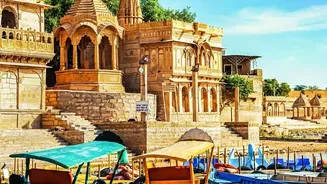
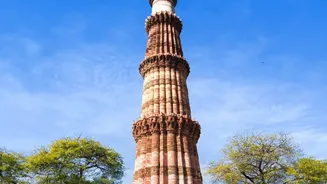
Beyond economics and policy, India's cultural influence, or 'soft power', plays a massive role. The global appeal of Bollywood, Indian cuisine, and wellness practices like yoga creates a powerful, positive association that transcends politics. In many parts of Africa, the Middle East, and Southeast Asia, Indian cinema has been a cultural staple for generations, fostering a sense of familiarity and connection. The Indian government has also actively leveraged this, using cultural diplomacy to strengthen ties. This includes promoting yoga internationally, establishing educational institutions abroad like an IIT campus in Tanzania, and using its Buddhist heritage to connect with nations across Asia. This cultural resonance helps build a foundation of mutual respect and admiration, making diplomatic and economic partnerships more fruitful.
A Leading Voice for the Global South
India has strategically positioned itself as a champion for the developing world on the global stage. By transforming its historical policy of non-alignment into a modern doctrine of 'strategic autonomy', India advocates for a more just and equitable world order. This resonates deeply with nations in Africa and Asia that often feel marginalized in global forums. A significant recent example was India's successful push to have the African Union included as a full member of the G20 during its presidency. Furthermore, India’s role as the 'pharmacy of the world', particularly highlighted during the COVID-19 pandemic, cemented its reputation as a reliable partner committed to the well-being of other nations, reinforcing its leadership credentials within the Global South.