


You Eat With Your Eyes First
It’s a cliché for a reason: we really do eat with our eyes first. Before a single bite reaches your mouth, your brain has already formed an opinion based on visual cues. This field of study, sometimes called gastrophysics, explores how our senses interact
to create the experience of flavour. Research shows that the appearance of food—its colour, shape, and arrangement—sets our expectations for taste and quality. A beautifully arranged plate signals care and quality, making us anticipate a better-tasting meal. Studies have even found that the same strawberry mousse was perceived as 10% sweeter and 15% more flavourful when served on a white plate compared to a black one, showing how much our eyes can influence our taste buds.
Choose Your Canvas Wisely
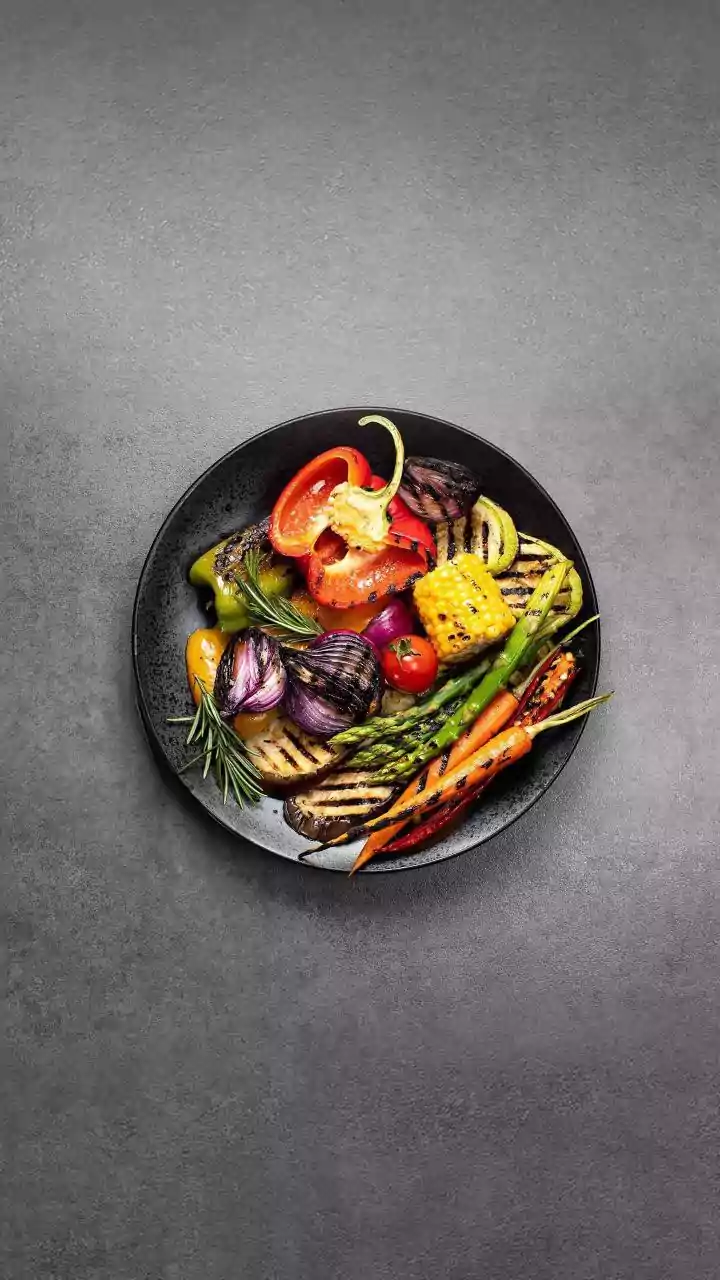
The plate is your canvas, and its colour, shape, and size can transform a dish. White plates are a classic choice for chefs because they make the colours of the food pop, creating a high-contrast background that looks clean and appealing. Conversely, dark or black plates can highlight savoury flavours and create a more dramatic, upscale feel. The shape also matters. Round plates often give a more traditional, harmonious feeling, while square or angular plates can feel more modern. Even the weight of the plate and cutlery can make a difference; studies suggest heavier tableware can make food seem more enjoyable and valuable. Don't be afraid to leave some 'negative space' on the plate, as overcrowding can make a meal feel rushed and messy.
Create a Focal Point
A well-plated dish guides the eye. Instead of placing everything dead-centre, which can feel static, many chefs use the 'rule of thirds'. Imagine your plate is divided by a tic-tac-toe grid and place your main element off-centre, at one of the intersections. This creates a more dynamic and natural composition. You can then build the rest of the dish around this focal point. Another approach is the classic 'clock method', where the protein sits between 3 and 9 o’clock, starches around 10, and vegetables at 2. This creates a balanced and organised look that is easy for the diner to navigate.
Play with Colour and Texture
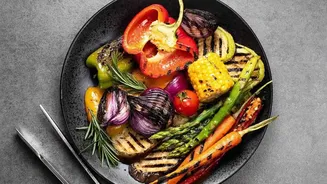
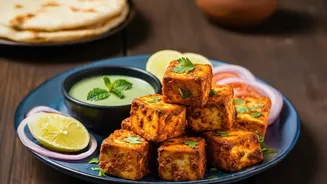
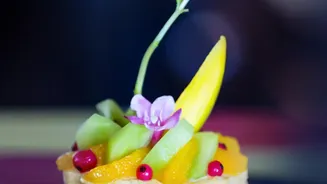
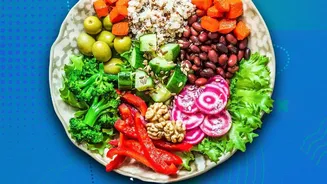
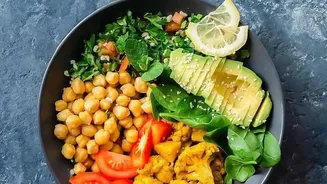
A monochromatic plate often looks uninspiring. Incorporating a variety of colours makes a dish look more vibrant and signals freshness and a diversity of nutrients. Think about the colour wheel from art class and try to use complementary colours to make your dish stand out. If your main course is pale, add a pop of colour with a bright green herb garnish or a colourful vegetable. Equally important is texture. A meal with only soft components can become boring. Creating contrast between creamy, crunchy, smooth, and crisp elements makes each bite more engaging and satisfying. Think of a smooth purée topped with crispy onions or toasted nuts; the textural variety adds another layer of enjoyment.
Build Height and Use Odd Numbers
Adding height to a plate creates drama and a more professional, three-dimensional look. You can achieve this by stacking ingredients, like layering a protein on a bed of mashed potatoes, or by simply fluffing up a salad instead of letting it lie flat. Another long-standing guideline in design and plating is the 'rule of odds'. The idea is that an odd number of items on a plate—for example, three scallops instead of four—is more visually appealing and less rigid than an even number. While some scientific studies have questioned how universal this preference is, it remains a popular principle among chefs for creating a more dynamic and interesting composition.
Master Your Sauce Art
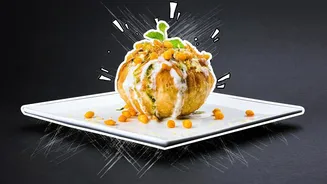
Sauces do more than just add flavour; they are a powerful visual tool that can tie the whole dish together. How you apply a sauce can completely change the presentation. You can create elegant brushstrokes with the back of a spoon, artfully drizzle it over the main ingredient, or place small, deliberate dots around the plate to add colour and pattern. A playful splatter can add a sense of energy, while a clean swirl can create a feeling of movement. Placing the sauce thoughtfully helps to unify the different components on the plate and adds a final professional touch.