





Understanding the New Tiered Subsidy
Effective July 1, 2026, the Delhi government's new policy moves away from a one-size-fits-all approach. The subsidy for electric two-wheelers is now structured in tiers, designed to encourage early adoption. The incentive is linked to both the battery
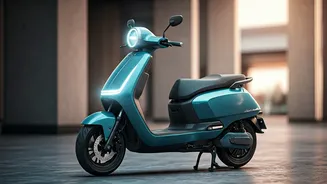
capacity of the vehicle and the year of purchase. In the first year of the policy, buyers can receive an incentive of ₹10,000 per kilowatt-hour (kWh) of battery capacity, with the total subsidy capped at a maximum of ₹30,000. This structure means that vehicles with larger batteries, which typically offer a longer range, will receive a higher subsidy, up to the defined limit.
How the Subsidy Changes Over Time
A key feature of this policy is its time-sensitive nature. The maximum benefit is reserved for those who purchase their electric two-wheeler sooner rather than later. In the second year of the policy, the incentive drops to ₹6,600 per kWh, with a new maximum cap of ₹20,000. By the third year, the subsidy further reduces to ₹3,300 per kWh, capped at ₹10,000. After the third year, this specific purchase incentive is scheduled to end. This declining scale is a deliberate strategy to accelerate the transition to electric vehicles in the city over the next three years.
Vehicle Eligibility and Price Caps
Not every electric two-wheeler on the market will qualify for these benefits. The government has set an important condition: the subsidy is only applicable to vehicles with an ex-factory price of up to ₹2.25 lakh. This price ceiling is designed to promote the adoption of more affordable and mass-market electric scooters and motorcycles. Additionally, all electric vehicles registered in Delhi during the policy period will benefit from a 100% exemption from road tax and registration fees, further lowering the upfront cost of ownership. However, it's crucial for buyers to verify that their chosen model is on the government's approved list before making a purchase.
Bonus for Scrapping Old Vehicles
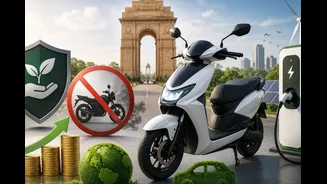
To further sweeten the deal and get older, more polluting vehicles off the road, the new policy includes a scrapping incentive. If you own a BS-IV or older petrol two-wheeler registered in Delhi, you can get an additional benefit of ₹10,000. To claim this, you must scrap your old vehicle at an authorised facility and purchase a new electric two-wheeler within six months of receiving the scrapping certificate. This scrapping bonus is paid on top of the purchase incentive, potentially bringing the total first-year benefit to as high as ₹40,000 for some buyers.
The Bigger Picture: A Petrol-Free Future
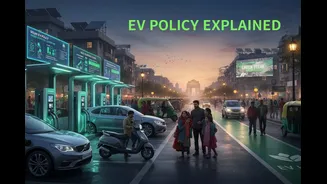
These subsidies are part of a much larger and more ambitious plan to combat Delhi's severe air pollution. The EV Policy 2.0 sets a clear timeline for phasing out internal combustion engine (ICE) vehicles. From April 1, 2028, the government will stop registering new petrol-powered two-wheelers in the national capital. This landmark decision means that in just a few years, electric will be the only option for new two-wheeler buyers. The policy is supported by a massive ₹15,000-crore budget to develop charging infrastructure, with plans to install over 30,000 charging points across the city.