







The Annual Pollution Cycle
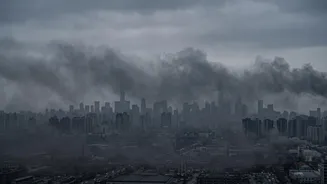
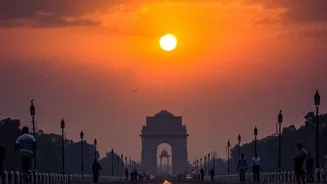
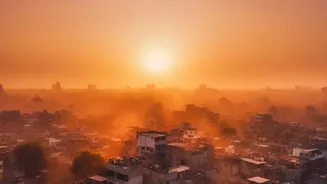
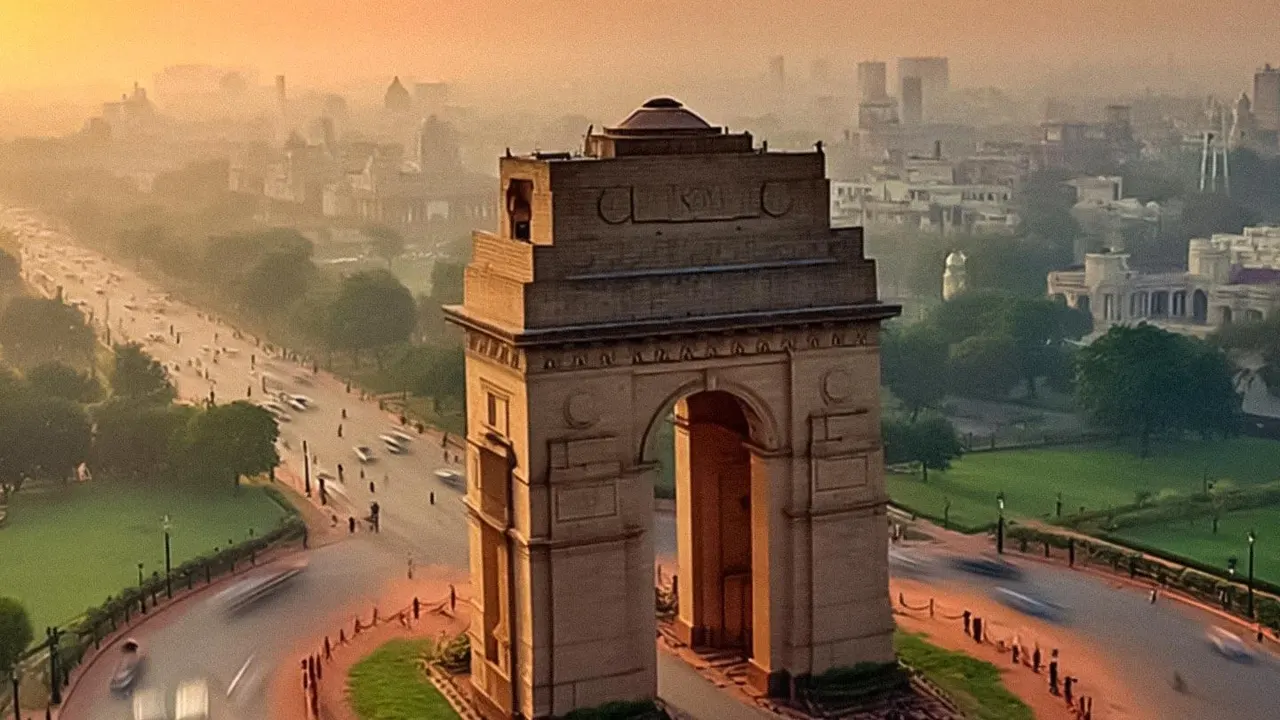
Every year, as temperatures drop, the air quality in the National Capital Region deteriorates, a phenomenon residents know all too well. This seasonal smog is a toxic cocktail of pollutants, primarily fine particulate matter (PM2.5 and PM10), from sources
like vehicle emissions, industrial output, construction dust, and smoke from stubble burning in neighbouring states. Recent data from early October 2026 shows air quality has already begun its downward trend, with the average Air Quality Index (AQI) being the second-highest for that period in six years, regularly sitting in the 'moderate' category. This early decline is a worrying precursor to the 'severe' levels typically seen in deep winter.
Why Winter Worsens Smog
The spike in pollution during winter is not just due to increased emissions but is heavily influenced by weather. A phenomenon called 'temperature inversion' plays a major role. In colder months, a layer of warm air sits above the cooler, denser air near the ground, acting like a lid. This prevents pollutants from rising and dispersing. Compounded by lower wind speeds, this atmospheric trap causes toxins to accumulate close to the surface, where people breathe. This combination of trapped local pollution and incoming smoke from agricultural fires creates the thick, hazardous smog that blankets the region for weeks.
From a Tickle to a Persistent Cough
The health effects of smog are immediate and widespread. The headline symptoms—persistent coughing and wheezing—are the body's direct response to irritation from pollutants. Fine PM2.5 particles are small enough to penetrate deep into the lungs, bypassing the body's natural filters and causing inflammation. This can lead to a range of issues, from a simple dry cough and throat irritation to more severe conditions like bronchitis and pneumonia. For individuals with pre-existing conditions like asthma or Chronic Obstructive Pulmonary Disease (COPD), smog acts as a powerful trigger, leading to more frequent and severe flare-ups that may require increased medication or hospitalisation.
Identifying the Most Vulnerable
While smog affects everyone, certain groups are at a significantly higher risk. Children are particularly vulnerable because their lungs are still developing, and they breathe faster than adults, inhaling more pollutants relative to their body weight. The elderly often have weaker immune systems and pre-existing heart or lung conditions that are aggravated by poor air quality. Pregnant women and individuals with chronic illnesses like heart disease and diabetes also face heightened risks. Furthermore, outdoor workers, such as construction labourers and street vendors, face disproportionate exposure due to the nature of their jobs, with little choice but to breathe toxic air for hours on end.
Protecting Yourself: An Action Plan
While systemic change is needed to combat pollution, personal protective measures are crucial for safeguarding health. Experts advise monitoring the daily AQI and limiting time outdoors on 'poor' or 'severe' days, especially avoiding strenuous exercise like jogging. When stepping out, a well-fitted N95 or KN95 mask is essential, as simple cloth or surgical masks are ineffective against fine particles. At home, keeping windows and doors sealed during peak pollution hours can help. Using a HEPA-filter air purifier, particularly in bedrooms, can significantly improve indoor air quality. Staying hydrated by drinking plenty of water helps flush toxins, and a diet rich in antioxidants like Vitamin C can help bolster the immune system.