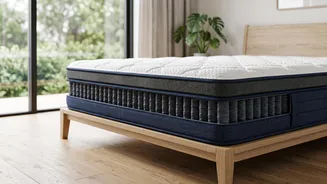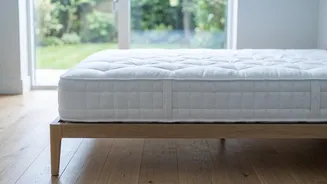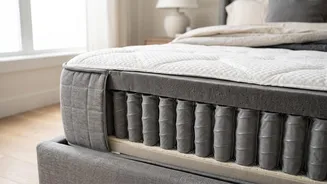





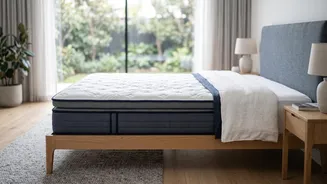
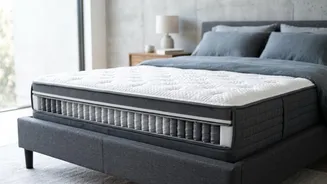

When you think of a spring mattress, it’s natural to focus on the coils. But the secret to true comfort lies in the partnership between the bouncy support core below and the soft, cushioning layers on top. Understanding this duo is key.
The Foundation: Understanding the Spring Core
The heart of any
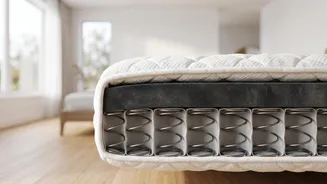
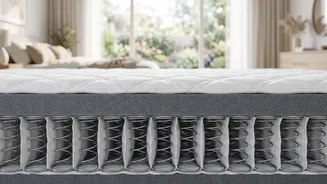
spring mattress is its support core, a network of steel coils designed to bear weight, maintain spinal alignment, and provide that classic responsive feel. This core is what provides the foundational support that prevents you from sinking too deeply. There are several types of spring systems, each offering a different experience. Bonnell coils are the most traditional, an hourglass-shaped design where the springs are wired together. They provide firm, durable support but tend to transfer motion across the bed. A more advanced option is the pocketed coil system, where each spring is individually wrapped in a fabric sleeve. This allows them to move independently, which is excellent for minimising partner disturbance and for contouring more closely to your body's curves, offering targeted support where you need it most. Other types like offset and continuous coils offer variations on support and durability, filling the space between basic Bonnell and premium pocketed systems.
The Feel-Good Factor: The Comfort Layers
If springs provide the support, the upper cushioning is what delivers the immediate comfort and pressure relief. These are the layers that sit between you and the coil system, and they determine the mattress's surface feel, from soft and plush to firm and flat. Comfort layers can be made from a variety of materials. Polyurethane foam (polyfoam) is a common and versatile option. Memory foam is known for its signature body-hugging feel, offering excellent pressure relief by contouring to your shape, which is particularly beneficial for side sleepers. Latex provides a more buoyant and responsive feel, pushing back gently for support without the deep sink of memory foam, and it tends to be more breathable. Natural fibres like wool and cotton are also used, prized for their breathability and moisture-wicking properties. The thickness and density of these layers are crucial; a thick layer of soft foam will create a 'plush' mattress, while a thinner, denser layer will result in a 'firm' feel.
The Perfect Partnership: How They Work Together
A mattress is a system where the springs and comfort layers must work in harmony. A firm pocketed coil core can be topped with a thick memory foam comfort layer to create a 'medium-firm' mattress that offers both deep support and significant pressure relief. The same coil system with only a thin, firm foam layer on top would feel much harder. This interplay is why two mattresses with the exact same spring unit can feel completely different. The comfort layers absorb the immediate pressure from your shoulders and hips, while the spring core below pushes back to keep your spine properly aligned. A well-designed mattress balances this perfectly, so you feel cushioned without sinking so far that you lose support—a common issue known as 'bottoming out'.
Decoding Mattress Jargon
When shopping, you’ll encounter terms like 'pillow-top' and 'Euro-top'. These refer to types of extra cushioning sewn onto the top of the mattress. A pillow-top is an additional layer of padding stitched to the top surface, giving it a distinct, cloud-like appearance. A Euro-top is also an extra layer of padding, but it's stitched flush with the edges of the mattress, creating a more integrated and uniform look. Both are simply enhancements to the comfort layer system, designed to provide a plusher initial feel. Another key factor is 'coil gauge', which refers to the thickness of the wire used for the springs. A lower gauge number means a thicker, firmer wire, while a higher number indicates a thinner, more flexible wire. While coil count is often advertised, coil quality and gauge often have a greater impact on long-term support and durability.
Finding the Right Combination for You
Choosing the right spring mattress depends entirely on your personal needs. Your sleeping position is a critical factor. Side sleepers often need thicker, softer comfort layers to cushion their shoulders and hips. Back and stomach sleepers generally require a firmer surface with a robust spring core to prevent their hips from sinking and to maintain spinal alignment. Your body weight also plays a role; heavier individuals typically need a firmer spring core with a lower coil gauge for adequate support. When you test a mattress, pay attention to both elements. First, notice the initial feel of the comfort layers—is it soft or firm? Then, lie down for several minutes and try to feel the support coming from the spring core underneath. Your spine should feel neutral and aligned, not sagging or arched.