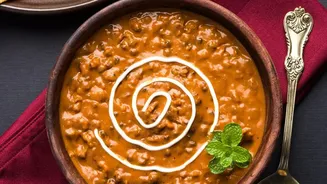




Urad dal is a cherished staple in Indian kitchens, loved for its creamy texture and comforting flavour. But this humble lentil is more than just a base for dal makhani; it's a canvas for incredible nutritional and culinary creativity.
The Nutritional Power of Urad Dal
Before we even add
anything, it's worth appreciating what urad dal brings to the table. Also known as black gram, it is a fantastic source of plant-based protein, boasting around 24-25 grams per 100 grams (dry weight). It's also packed with essential minerals like iron, calcium, and magnesium, which support bone health and energy levels. Furthermore, whole urad dal is an excellent source of dietary fibre, crucial for good digestion and gut health. Traditional preparation methods like soaking help reduce anti-nutrients, making its protein and minerals easier for the body to absorb. Soaking also helps prevent the bloating some people associate with this lentil.
Boosting Protein for Satiety and Strength
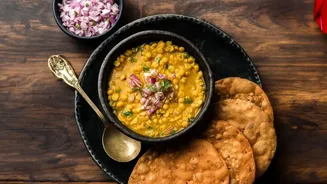
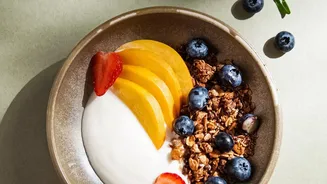
While urad dal is a protein star, increasing the protein content further can make meals more satiating, helping you feel fuller for longer. This is key for energy management and can support muscle repair and overall wellness. The good news is that Indian cuisine is naturally designed for protein pairing. One of the simplest methods is to mix different dals. Combining urad dal with chana dal or masoor dal not only increases the protein density but also provides a broader spectrum of amino acids. For a significant and textured boost, consider adding crumbled paneer or soy chunks into your simmering dal. Even a simple side of plain curd or a protein-rich raita can add a few extra grams of protein and a delicious cooling contrast.
Adding Fibre with Colourful Vegetables
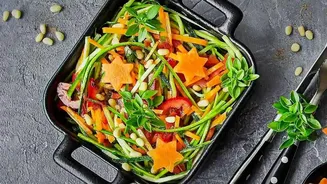
Fibre is essential for digestive regularity and feeding the beneficial bacteria in your gut. While whole urad dal has a good amount, adding vegetables is an easy way to increase fibre while introducing new flavours, textures, and vital nutrients. Leafy greens like spinach or methi (fenugreek leaves) wilt beautifully into a hot dal, adding iron and vitamins without overpowering the dish. Hardier vegetables like carrots, bottle gourd (lauki), and pumpkin can be finely chopped or grated and cooked along with the dal, lending a subtle sweetness and body to the final dish. This strategy turns a simple dal into a complete one-pot meal.
Incorporate Whole Grains and Seeds
Variety isn't just about what you put in the dal, but also what you serve it with. Swapping white rice for brown rice, quinoa, or millets like bajra and jowar can significantly increase the fibre content of your meal. These whole grains add a nutty flavour and a more satisfying chew. Another smart technique is to use seeds. Sprinkling roasted flaxseeds or sesame seeds over your finished dal adds a pleasant crunch and a dose of healthy fats and fibre. You can also incorporate these seeds into the tempering (tadka) along with traditional spices like cumin and mustard seeds.
Think Beyond the Dal Bowl
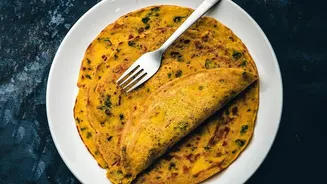
Urad dal's versatility extends far beyond a simple curry. The same batter used for idli, dosa, and medu vada can be fortified. Try adding grated vegetables like carrots or finely chopped onions to your dosa batter for a fibre boost. Sprouted moong can be added to urad dal cheela batter to increase its protein content. Even urad dal khichdi, a comforting one-pot meal, can be enhanced by cooking it with a mix of vegetables and other lentils. By rethinking how you use this staple ingredient, you open up a world of nutritious and delicious possibilities that keep your everyday meals exciting and balanced.