



Why You Should Soak Dal
Soaking dal before cooking is a traditional practice backed by science. The primary benefit is improved digestibility. Lentils and beans contain compounds like phytic acid and oligosaccharides. Phytic acid can bind to minerals like iron, zinc, and calcium,
making them harder for your body to absorb. Soaking activates an enzyme called phytase, which helps break down phytic acid, unlocking more nutrients. It also reduces the complex sugars responsible for causing gas and bloating, making your meal much gentler on the stomach. Beyond the digestive benefits, soaking hydrates the dals, softening them and significantly cutting down on cooking time. This means less time watching the pot and less energy used.
The Special Case of Moong Dal
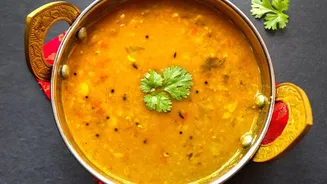
Moong dal often causes the most confusion, and for good reason: how you treat it depends entirely on which type you have. Split yellow moong dal, the kind most commonly used for simple dal tadka or kitchari, cooks very quickly and is easy to digest. For this reason, many cooks agree that it doesn't require soaking at all, though a quick 15-30 minute soak can help remove surface starch and ensure it cooks evenly. On the other hand, whole green moong dal, with its skin intact, is a different story. It is much denser and benefits greatly from a longer soak of at least 4-6 hours, or even overnight. This process softens the tough outer skin, making it less likely to cause bloating and easier to cook, especially for sprouts or whole lentil curries.
A Quick Guide to Common Dals
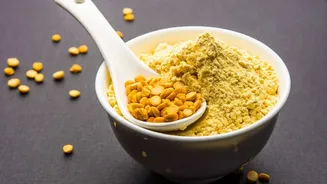
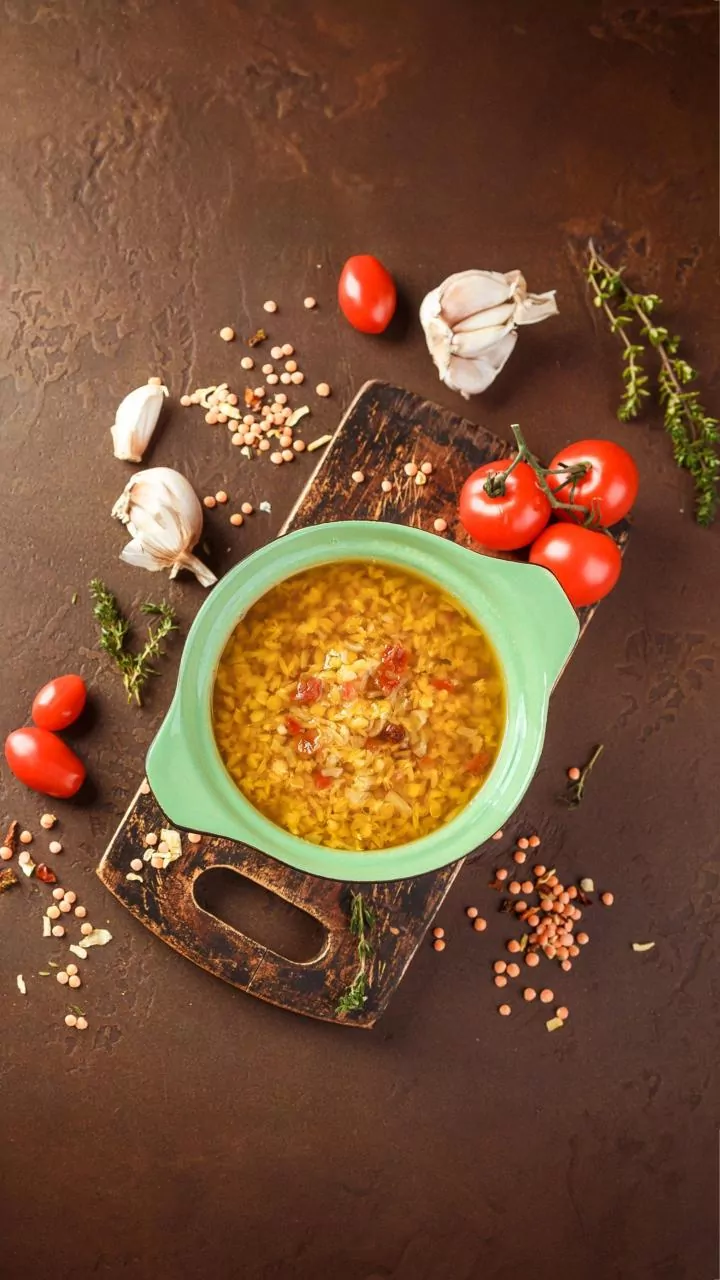
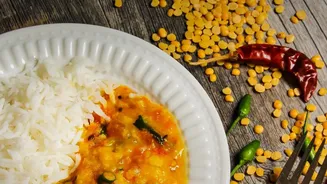
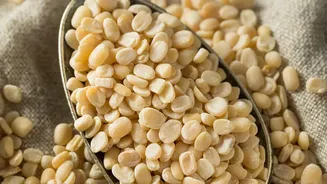
Not all dals are created equal. Their size, density, and whether they are whole or split determine how long they need in water. Here’s a simple guide: Quick-Soak Dals (15-30 minutes): This category includes small, split dals that cook fast. Split Red Lentils (Masoor Dal) and Split Yellow Moong Dal fall here. Even a short soak makes them easier on digestion. Medium-Soak Dals (1-4 hours): These are slightly denser dals. Split Pigeon Peas (Toor/Arhar Dal) benefit from about 30-60 minutes. Split Chickpeas (Chana Dal) and Split Black Gram (Urad Dal) are harder and need a longer soak of around 2-4 hours to cook evenly and become creamy. * Long-Soak Dals & Legumes (6-12 hours or overnight): This group includes whole, skin-on pulses. Whole Black Gram (Sabut Urad), Whole Green Moong, Kidney Beans (Rajma), and Chickpeas (Chole/Kabuli Chana) all require a lengthy overnight soak. This step is non-negotiable for softening their tough skins and reducing digestive discomfort.
Common Soaking Mistakes to Avoid
To get the most out of soaking, avoid a few common pitfalls. First, always discard the soaking water. That water now contains the anti-nutrients like phytic acid and gas-causing compounds that you wanted to get rid of. Always give the dal a fresh rinse before adding it to the pot for cooking. Second, don't over-soak. Soaking for too long, especially in warm weather, can cause the dals to ferment or start sprouting, which will alter the taste and texture of your final dish. For dals that only need a short soak, setting a timer is a good idea. Finally, remember that old lentils can be stubborn. If you have a packet of dal that has been in your pantry for a very long time, it may take longer to soften, even with proper soaking.