



Our Sun, A Turbulent Star
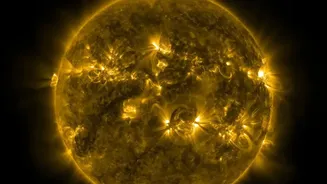
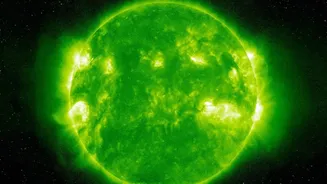
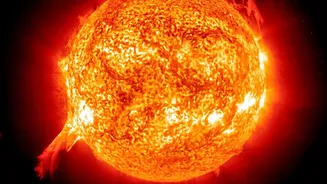
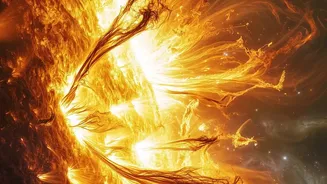
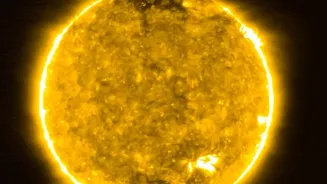
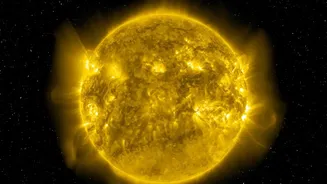
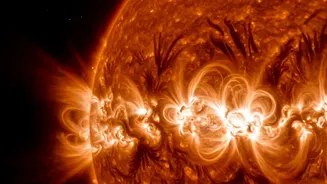
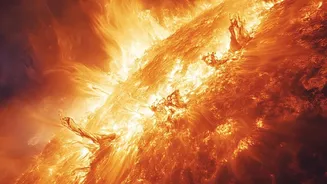
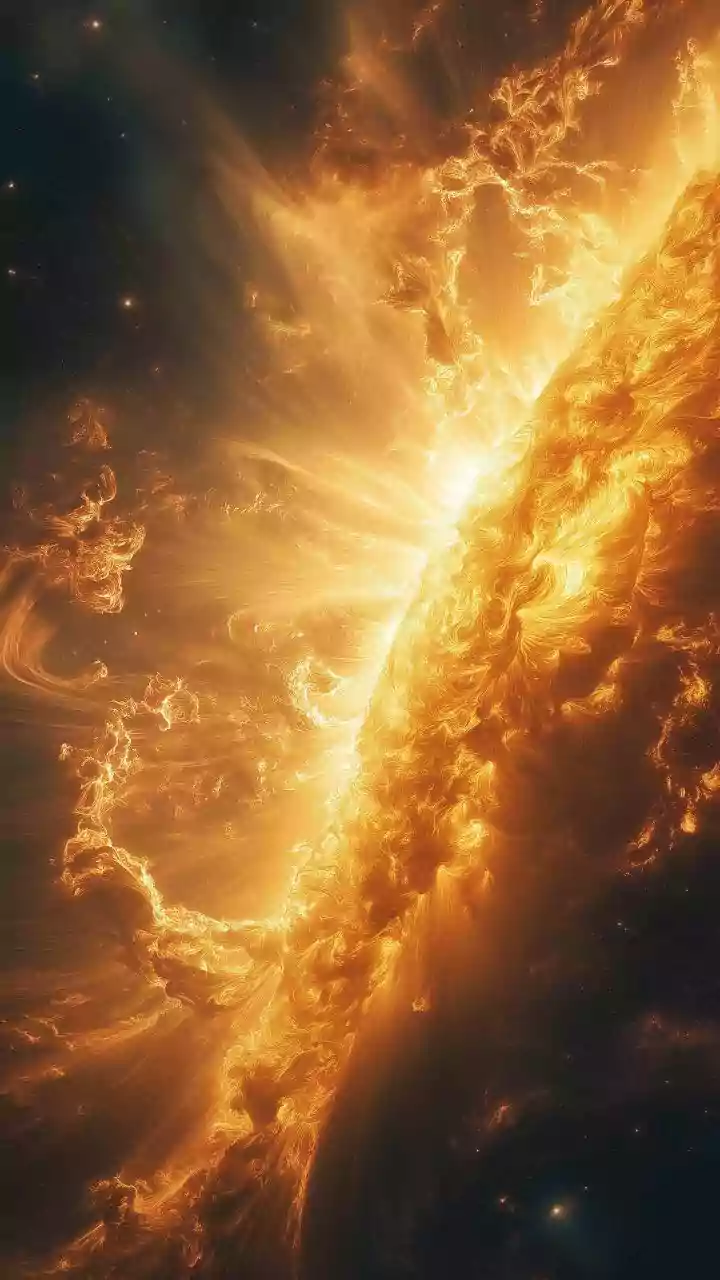
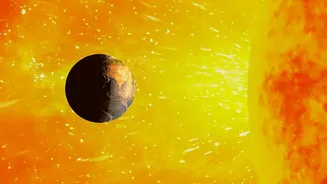
The Sun may appear as a calm, steady presence in our sky, but it is a dynamic and often violent star. Its outer atmosphere, the corona, is a theatre for massive explosions known as Coronal Mass Ejections (CMEs). These events hurl billions of tonnes of magnetised
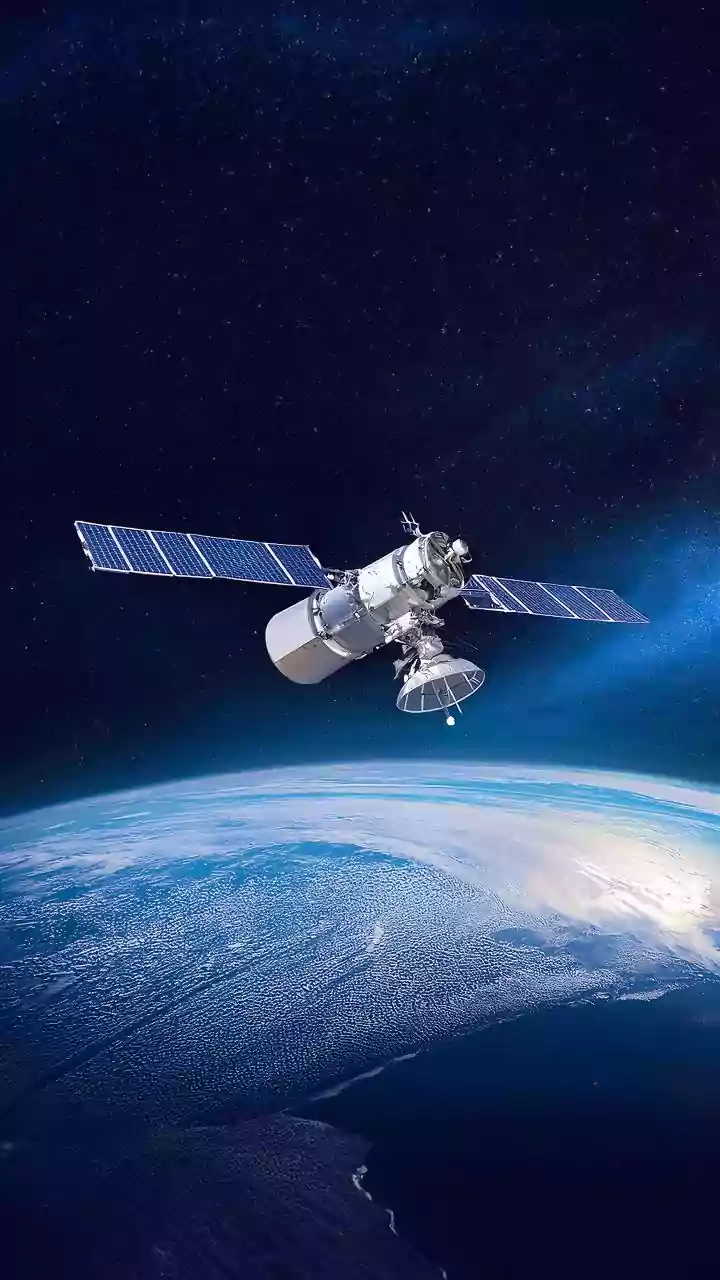
plasma into space at incredible speeds. When a CME is directed towards Earth, it can trigger geomagnetic storms that threaten our modern way of life, potentially disrupting satellites, power grids, and communication systems. For decades, understanding the moments just before and during a CME's birth has been a major challenge for scientists, limiting our ability to accurately forecast this hazardous space weather.
India’s Watchful Eye: Aditya-L1
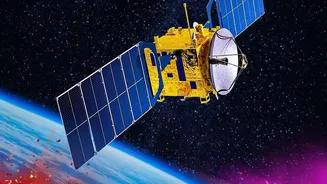
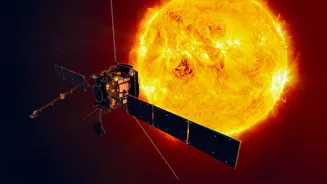
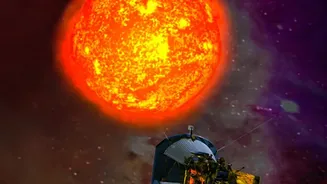
India's first dedicated solar observatory, Aditya-L1, represents a major leap for the nation's space programme. Launched by ISRO, the spacecraft is strategically positioned at the first Lagrange point (L1), about 1.5 million kilometres from Earth. This vantage point allows it to observe the Sun continuously without any eclipses or occultations. Its key instrument for this collaborative effort is the Visible Emission Line Coronagraph (VELC), developed by the Indian Institute of Astrophysics. VELC is designed to study the solar corona, providing crucial data on the temperature, density, and velocity of the plasma that makes up these massive eruptions.
Europe’s Artificial Eclipse: Proba-3
The European Space Agency's (ESA) Proba-3 mission is an engineering marvel, described as the world's first precision formation-flying mission. It consists of two satellites flying in a precise alignment, roughly 150 metres apart. One spacecraft, the 'Occulter', blocks the bright light of the Sun's main disk, casting a perfect shadow over the second spacecraft, the 'Coronagraph'. This creates a sustained artificial eclipse, allowing its ASPIICS instrument to capture incredibly detailed images of the faint, inner corona—the very region where CMEs are born. Interestingly, demonstrating the collaborative spirit even before this joint science, Proba-3 was launched aboard an Indian PSLV-XL rocket.
A Partnership Forged in Space
The true power of this collaboration lies in combining the complementary strengths of both missions. While Aditya-L1/VELC maintains a constant, wider watch from its L1 position, using spectroscopy to analyse the properties of the eruption, Proba-3/ASPIICS swoops in to take ultra-precise images of the CME's origin close to the solar surface. This synergy allows scientists, for the first time, to see both the 'cause' on the wider solar disk and the immediate 'effect' as the eruption travels through the inner corona. Researchers from the Indian Institute of Astrophysics and their international partners have already begun jointly analysing eruptions captured by both spacecraft, such as two events in September 2025.
Unlocking Solar Secrets Together
By combining the spectroscopic data from Aditya-L1 with the imaging data from Proba-3, scientists can create a much more complete and robust picture of a CME's evolution. This joint analysis allows them to cross-check measurements of the eruption's mass, density, and energy, providing new constraints on the physical processes that drive these powerful events. The results, published in the journal 'Astronomy & Astrophysics', demonstrate the immense scientific potential of this partnership. It is a significant step towards the ultimate goal: building better models to predict which solar storms are likely to impact Earth and how severe they might be, safeguarding our vital infrastructure both in space and on the ground.