



A New Philosophy: Profit Over Volume
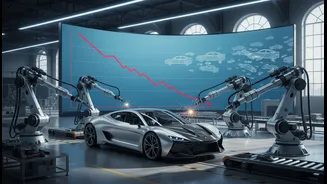
The German automotive giant has announced a strategic pivot, aiming to streamline its global model portfolio by as much as 50 percent. This drastic measure is part of a broader plan to fundamentally realign its business model, prioritizing profitability
over the long-held strategy of chasing sales volume. CEO Oliver Blume and CFO Arno Antlitz have stated that while the group's products remain popular, they are not generating enough profit. The goal is to move the company's return on sales toward a target band of 8 to 10 percent by focusing investments on the most attractive and lucrative market segments.
The High Cost of Complexity
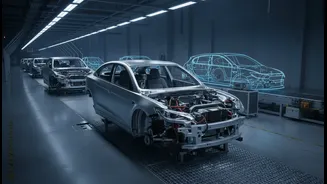
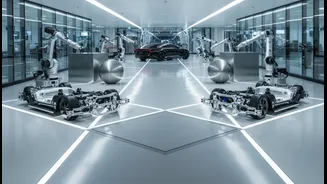
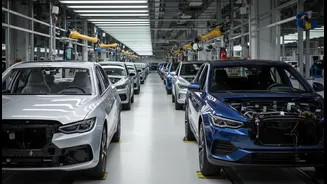
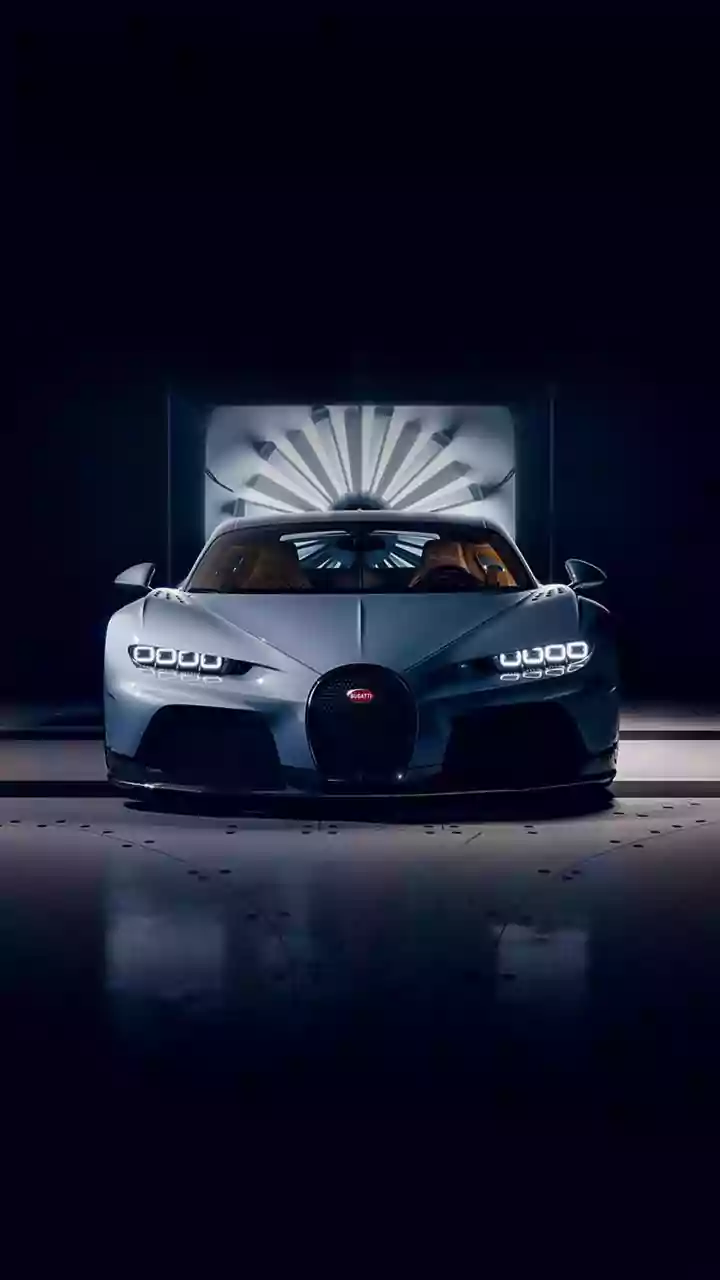
A key driver of this change is the immense cost associated with complexity. Managing a vast lineup across multiple brands—including Audi, Porsche, Skoda, and Seat—creates overlapping engineering, manufacturing, and marketing costs. In some markets, VW sells multiple similar vehicles that compete against each other, such as three different subcompact SUVs in Europe. To combat this, the group plans to not only cut models but also reduce the complexity within the remaining lines, slashing the number of available equipment options and powertrain variants by up to 75 percent. This move aims to improve production efficiency, reduce development costs, and simplify supply chains.
Which Cars Could Face the Axe?
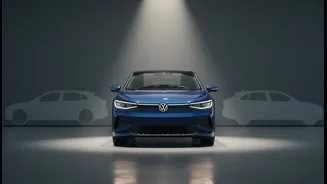
While Volkswagen has not officially named which models will be discontinued, the focus will be on low-margin vehicles and those in less popular segments. Industry observers speculate that niche products like coupe-SUVs and cabriolets, slow-selling sedans, and aging internal combustion engine models are prime candidates for removal. Overlapping models within the group's brands are also under intense scrutiny. For example, the Spanish brand Seat has seen its role reduced as the group pours investment into the sportier, more profitable Cupra brand. High-volume, popular models like the VW Tiguan and Golf are largely considered safe.
Navigating Internal and External Pressures
This proposed overhaul is a response to intense pressure from multiple fronts. The rise of highly competitive and efficient Chinese automakers, high labor and energy costs in Germany, and the massive capital investment required for the transition to electric vehicles are squeezing margins. However, the plan faces significant internal hurdles. A proposal that included the potential closure of four German plants and up to 100,000 job cuts was reportedly rejected by the company's supervisory board, where labor representatives hold significant power. This has created tension between management and the workforce, highlighting the difficult path ahead for implementing such a large-scale restructuring.
What This Means for Car Buyers
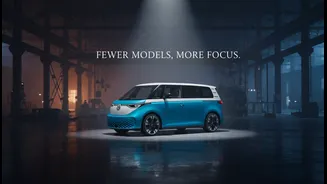
For consumers, the era of endless choice at a VW Group dealership may be coming to an end. In the future, buyers can expect to see fewer models on the showroom floor and simplified option lists. While this means less variety, the company's aim is to create a more focused lineup of higher-quality, more desirable vehicles. The strategy is to increase sales per model, concentrating resources on making the remaining cars more competitive. For markets like India, this could mean a stronger focus on globally popular SUVs and increased platform sharing between the Volkswagen and Škoda brands. The trade-off for less choice will, in theory, be better and more focused products.