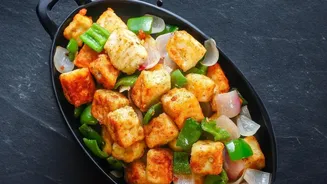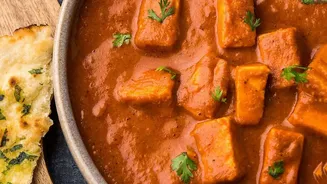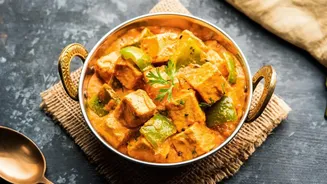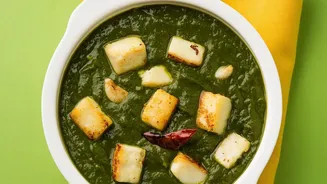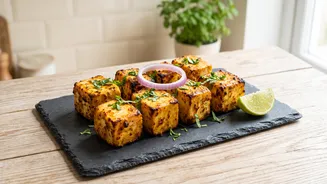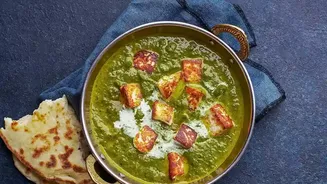








What Exactly Is FSSAI Proposing?
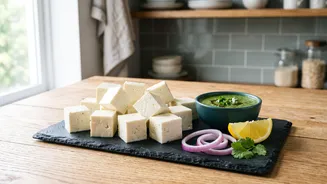
The Food Safety and Standards Authority of India (FSSAI) has put forward a draft regulation that aims to define what can legally be called 'paneer'. According to the proposal, the term 'paneer' should be reserved exclusively for products made from milk.
Any product that imitates paneer but uses non-milk ingredients, such as vegetable oil or starch, would be prohibited from using the word 'paneer' on its packaging, in advertisements, or on restaurant menus. These imitation products, known as 'analogue paneer', would need to be clearly identified as such, ensuring that consumers are not misled about what they are buying. The proposal is currently in a draft stage, with the FSSAI inviting suggestions from the public before making a final decision.
The Rise of 'Analogue' Paneer
So, what is this 'analogue paneer' that has prompted regulatory action? It's a product designed to look, feel, and cook like traditional paneer but is manufactured using different, often cheaper, ingredients. Instead of being made by curdling fresh milk, analogue paneer typically uses a combination of vegetable fats, starches, emulsifiers, and sometimes skimmed milk powder to mimic the texture and appearance of the real thing. The primary driver for its production is cost. Because vegetable oil and starches are significantly cheaper than fresh milk, analogue paneer can be sold at a much lower price point, making it an attractive option for some bulk buyers and food businesses looking to cut costs. The problem arises when this substitute is sold without clear disclosure, passing itself off as authentic dairy paneer.
Why This Matters: Health, Honesty, and Your Wallet
FSSAI's move is driven by several key concerns. First and foremost is consumer rights. The regulator wants to ensure that when you pay for paneer, you are getting a genuine milk product, not a substitute. This is also a health issue. Real dairy paneer is a rich source of protein and calcium. Analogue paneer, depending on its formulation, often has a lower protein content and can be high in less healthy processed fats. For vegetarians who rely on paneer as a key protein source, this nutritional difference is significant. Finally, the proposal aims to create a level playing field for dairy farmers and producers who cannot compete with the artificially low prices of vegetable fat-based alternatives. The move follows crackdowns in states like Maharashtra and Gujarat, where a high percentage of paneer samples failed quality tests due to adulteration with vegetable fat.
What This Means for Your Next Grocery Run
If these regulations are finalised, you can expect more transparency at the checkout counter and in restaurants. Manufacturers of non-dairy alternatives will have to rebrand their products without using the word 'paneer'. You might see terms like 'vegetable fat-based cubes' or similar descriptive names instead. For consumers, the simple advice will be to read the label. A true paneer's ingredient list will be short, primarily listing milk and a food acid like lemon juice or vinegar. If you see 'vegetable oil', 'hydrogenated fats', or 'starch' listed as primary ingredients, you'll know it's not dairy paneer. The same transparency will apply to restaurants and caterers, who would be required to specify on their menus if they are using a dairy analogue, allowing you to make a truly informed choice.