





The New Reality: Millions, Not Thousands
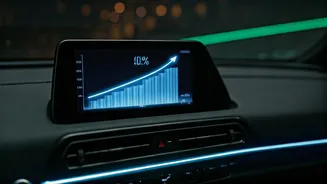
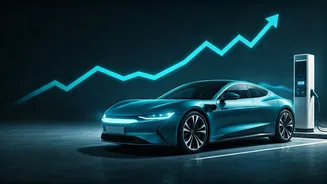
To put the current boom in perspective, India's EV market is no longer measured in tens of thousands, but in millions. In the fiscal year 2026 alone, total EV retail sales surged to approximately 2.45 million units, a nearly 25% jump from the previous
year. The outdated benchmark of 43,710 units was actually surpassed in just the first quarter of FY2027 for electric passenger vehicles alone, which saw 82,737 registrations. This explosive growth signals a fundamental shift in the Indian automotive landscape, moving EVs from a niche interest to a mainstream consideration for millions. For the full year 2026, the electric passenger vehicle segment is on track to cross 300,000 units for the first time, a significant leap from just under 200,000 in 2025. The first half of 2026 has already seen close to 150,000 electric cars registered, showing the relentless momentum.
Two-Wheelers firmly in the Driver's Seat
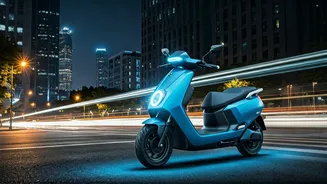
The narrative of India's EV revolution is overwhelmingly written on two wheels. Electric scooters and motorcycles are the true engine of this transformation, accounting for the lion's share of sales. In June 2026, the electric two-wheeler industry recorded its second-highest monthly sales ever, with 193,495 units delivered. For the first six months of 2026, cumulative sales approached one million units, a staggering 53% increase year-over-year. This dominance is driven by simple economics: lower upfront costs compared to cars, negligible running expenses, and their perfect suitability for navigating dense urban traffic. For daily commuters and last-mile delivery services, the switch to electric two-wheelers has become an obvious choice, spurred on by rising petrol prices and attractive government incentives.
What's Fuelling the Surge?
Several powerful forces are converging to accelerate EV adoption. Government policies, both at the central and state level, have been a primary catalyst. Incentives like subsidies, tax benefits, and reduced registration fees have made EVs more affordable. Simultaneously, persistently high and volatile fuel prices have made the low running cost of an EV a compelling proposition for budget-conscious Indian consumers. Automakers have also stepped up, flooding the market with a wider variety of models. The number of available electric car models has doubled in the last two years and is projected to nearly double again, with many new launches focused on the crucial sub-₹15 lakh segment. This expanding choice, from practical scooters to family-sized SUVs, means more Indians can find an EV that fits their needs and budget.
The Race for Market Leadership
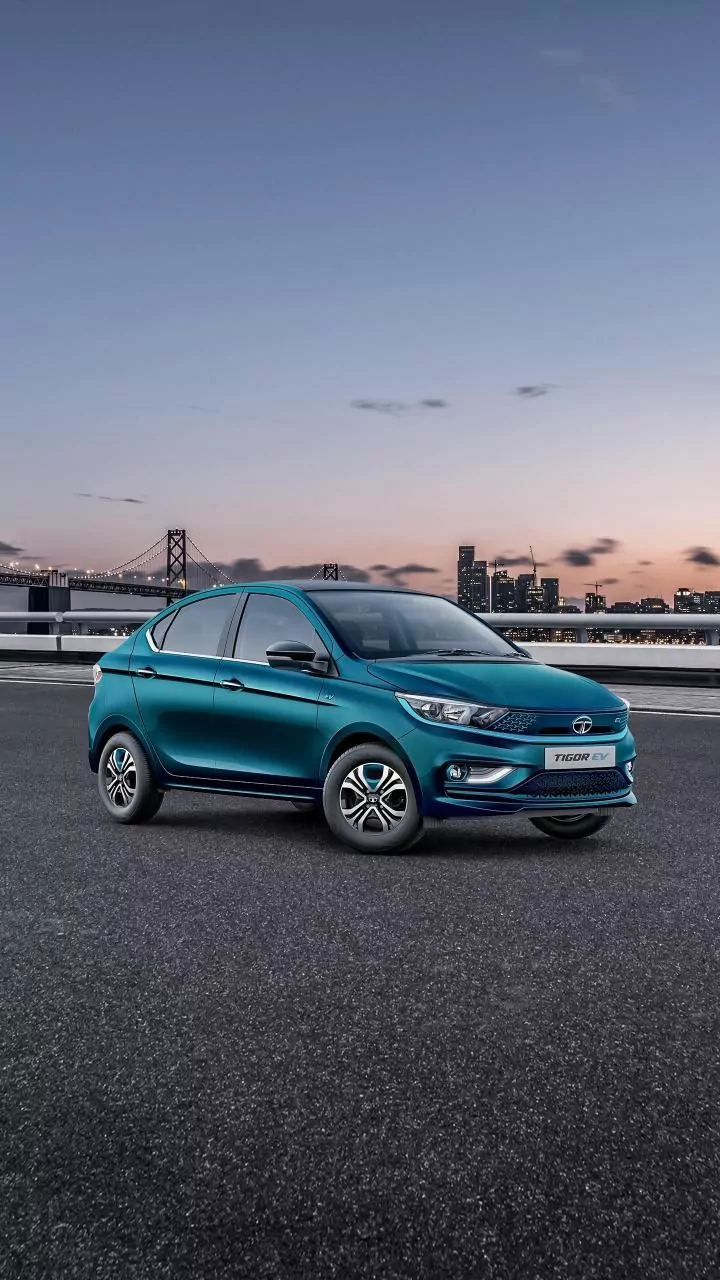
The booming market has ignited fierce competition. In the passenger vehicle space, Tata Motors continues to hold a commanding lead, accounting for a significant portion of all electric cars sold. In the first quarter of fiscal year 2027, the company registered over 32,000 EVs, more than doubling its volume from the previous year. However, Mahindra & Mahindra is making strong gains with its 'Born Electric' lineup, securing the second spot. New and established players like JSW MG Motor, Hyundai, and Maruti Suzuki are also intensifying their efforts, signalling a dynamic and competitive road ahead. In the massive two-wheeler segment, the battle is just as heated, with legacy players like TVS Motor and Bajaj Auto vying for the top spot against agile startups such as Ather Energy and Ola Electric.
Challenges on the Road Ahead
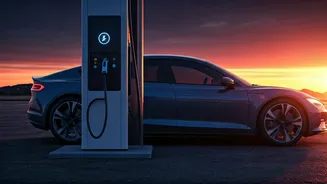
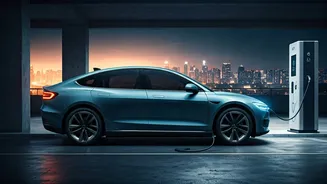
Despite the impressive growth, the journey to full electrification is not without its speed bumps. The most significant challenge remains the development of a robust and widely accessible charging infrastructure. While charging is becoming more common in major cities, its availability in semi-urban and rural areas is still patchy, fuelling 'range anxiety' among potential buyers. Another hurdle is the high upfront cost of EVs, particularly cars, which remain more expensive than their petrol or diesel counterparts. Furthermore, India's heavy reliance on imported lithium-ion battery cells exposes the market to global supply chain disruptions and price volatility. Experts also point out that many homes in India are not electrically equipped to handle the load of EV charging safely, a foundational issue that needs to be addressed for mass adoption.