





What Exactly Is 'Double Carbing'?
Double carbing refers to the practice of including two significant sources of carbohydrates in the same meal. Think of common pairings like having pasta with a side of garlic bread, a burger with fries, or in an Indian context, eating rice and roti together
or having potatoes as a primary vegetable alongside dal and rice. While carbohydrates are the body's main source of energy, the type and quantity matter. The issue often arises when both carb sources are refined—like white bread, white pasta, or white rice—as these can have a more dramatic impact on blood sugar levels.
The Real Problem: Nutritional Displacement
The primary concern with regularly doubling up on carbs isn't the carbohydrates themselves, but what they displace. A plate piled high with two starches often has little room left for lean protein and nutrient-dense vegetables. Meals that are heavy on refined carbs but lacking in protein and fibre are often less filling, which can lead to overeating. This pattern of eating can create a nutritional gap, depriving your body of the building blocks and micronutrients it needs to function optimally. Over time, this imbalance can contribute to a range of health issues.
The Power of Protein You're Missing
Protein is essential for nearly every function in the body, from building and repairing tissues like muscle to creating enzymes and hormones. When it comes to meal satisfaction, protein is a star player. It is digested more slowly than simple carbohydrates, which helps you feel fuller for longer. This feeling of satiety can prevent overeating and reduce cravings later. Including a source of lean protein in your meals also helps to stabilise blood sugar levels, preventing the sharp spikes and subsequent crashes that can leave you feeling tired and irritable.
The Forgotten Fibre from Vegetables
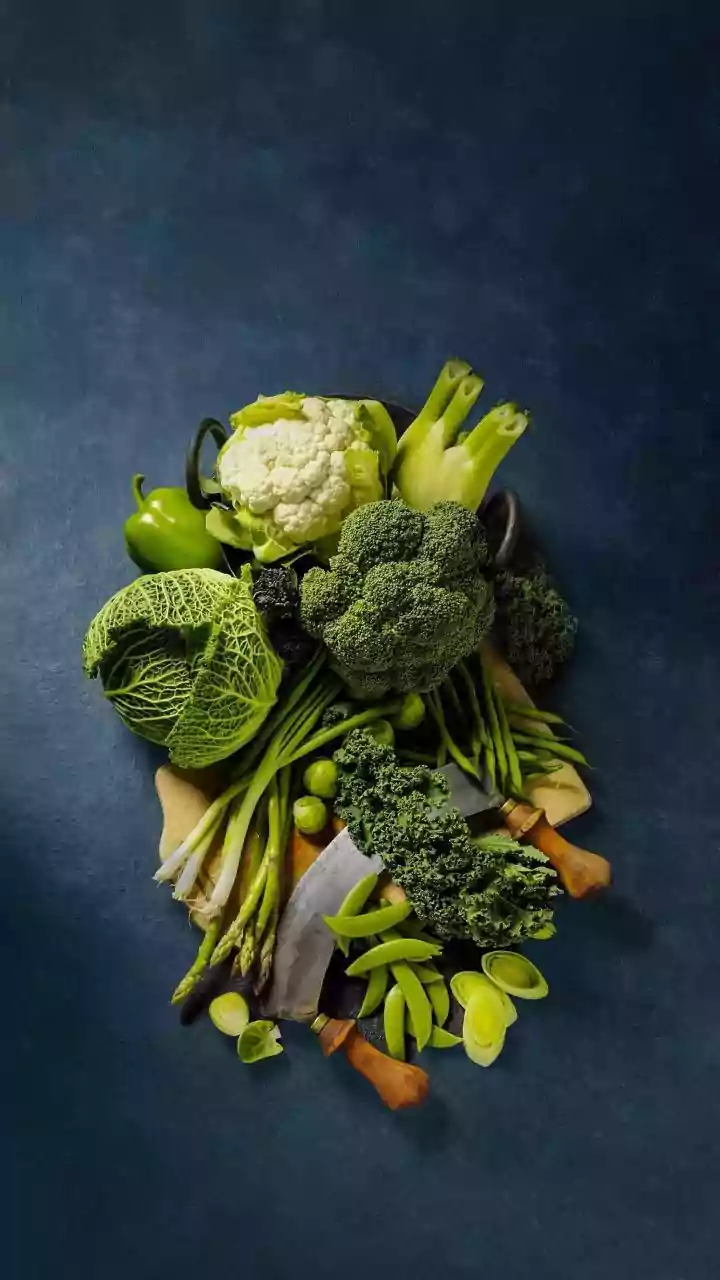
Vegetables are packed with vitamins, minerals, and, crucially, dietary fibre. Fibre, like protein, slows down digestion. Soluble fibre, found in foods like beans and some vegetables, forms a gel-like substance in your digestive tract, which helps to slow the absorption of sugar into the bloodstream. This process leads to a more gradual rise in blood sugar and insulin levels after a meal. A diet rich in fibre from vegetables not only supports better blood sugar control but also promotes a healthy gut microbiome and can contribute to weight management by helping you feel full.
The Blood Sugar Rollercoaster
When you eat a meal high in refined carbohydrates without the buffer of protein and fibre, your blood sugar can spike rapidly. Your body responds by releasing a large amount of insulin to move the sugar from your blood into your cells for energy. This can lead to a quick drop in blood sugar, often called a 'sugar crash', which can cause fatigue, brain fog, and more cravings for high-carb foods. Over time, this repeated cycle can contribute to insulin resistance, a condition where your body's cells don't respond effectively to insulin, increasing the risk for type 2 diabetes and other metabolic issues.
How to Build a More Balanced Plate
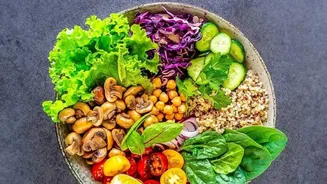
Rethinking your meals doesn't mean eliminating carbs. Instead, focus on balance. A simple and effective visual guide is the 'plate method'. Aim to fill half of your plate with non-starchy vegetables like broccoli, spinach, or green beans. One-quarter of your plate should be dedicated to a source of lean protein, such as chicken, fish, beans, or tofu. The final quarter can be for your carbohydrate source, preferably a complex carb like whole grains, brown rice, or starchy vegetables. This approach ensures you get a healthy mix of macronutrients, fibre, and vitamins in every meal, promoting stable energy and lasting fullness.