





The Classic Choice: Paraffin Wax
Paraffin wax has been the go-to for candle makers for more than a century for good reason. As a byproduct of petroleum refining, it is widely available and generally less expensive than plant-based waxes. For beginners, paraffin is often more forgiving.
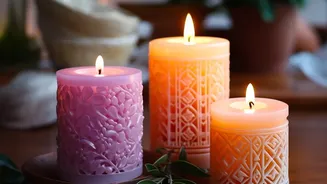
It holds dye exceptionally well, allowing for vibrant, deeply coloured candles, and it sets into a smooth, often glossy finish that looks professional right from the start. Its primary claim to fame, however, is its powerful scent throw. The molecular structure of paraffin is excellent at releasing fragrance oils when heated, meaning it can fill a room with a strong, consistent aroma. This makes it a favourite for those who prioritize a potent fragrance experience above all else.
The Natural Alternative: Soy Wax
Developed in the 1990s as an alternative to petroleum-based waxes, soy wax is made from hydrogenated soybean oil. As a renewable, plant-based resource, it immediately appealed to eco-conscious consumers and creators. Soy candles are known for burning longer and cleaner than their paraffin counterparts. Because soy wax has a lower melting point, it burns more slowly and at a cooler temperature, extending the life of your candle. This also means it tends to produce significantly less black soot, which helps keep your jars, walls, and indoor air cleaner. The finish of a soy candle is typically opaque and matte, giving it a distinct, rustic, and natural appearance.
Scent Throw: Power vs. Subtlety
The most debated topic between the two waxes is scent throw—the ability of a candle to fill a space with fragrance. Paraffin is the undisputed champion of a strong 'hot throw' (the scent released while burning). If you want a candle that makes a bold statement, paraffin is a reliable choice. Soy wax, on the other hand, is known for a more subtle, gentler scent release. It binds with fragrance oils differently, releasing the aroma more slowly and evenly throughout the candle's extended burn time. This doesn't mean soy candles are unscented; rather, they are often better suited for smaller spaces or for those who find strong fragrances overwhelming. A well-made soy candle can still offer a beautiful scent experience.
Health and Environmental Considerations
The 'clean burn' debate is where the waxes truly diverge. Soy wax comes from a renewable crop and is biodegradable. Paraffin is a byproduct of the non-renewable crude oil industry. Concerns have been raised about paraffin releasing toxins like benzene and toluene when burned, though the industry maintains that food-grade paraffin is refined, non-toxic, and safe for home use. However, soy wax produces demonstrably less soot, which contributes to better indoor air quality. For households with allergies, pets, or respiratory sensitivities, the cleaner burn of soy is often a deciding factor.
Cost and Ease of Use
For hobbyists and small businesses, cost is a practical matter. Paraffin wax is almost always cheaper to purchase per kilogram. In the Indian market, for instance, soy wax can cost two to three times as much as paraffin, largely because it is often imported. In terms of usability, paraffin is often seen as more straightforward. Soy wax can be more sensitive to temperature fluctuations, sometimes resulting in 'frosting' (white crystalline patches) or an uneven surface. Mastering a perfect soy candle top can take a bit of practice, whereas paraffin tends to provide a smooth, consistent finish with less fuss.