

Steaming: The Nutrient Guardian
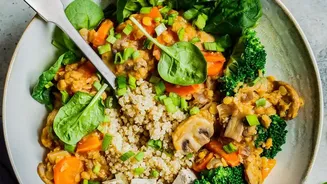
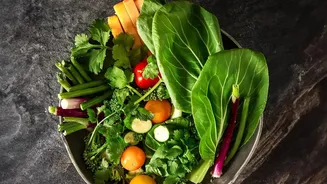
Steaming is one of the gentlest and healthiest ways to cook, especially for vegetables. By using hot vapour from boiling water instead of submerging food directly, it excels at preserving water-soluble vitamins like Vitamin C and B vitamins, which often
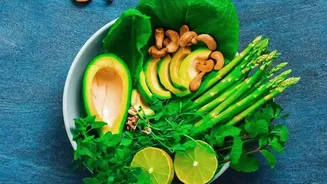
leach out during boiling. Studies have shown that steaming broccoli, for instance, retains its nutrients better than boiling or stir-frying. This method keeps vegetables vibrant, crunchy, and full of flavour. It’s not just for veggies; steaming is a fantastic, oil-free way to prepare delicate fish, chicken, and classic Indian dishes like idlis and dhoklas, keeping them light and easy to digest. Since the food doesn't touch the water, its natural taste and texture shine through.
Grilling: Flavourful and Lean
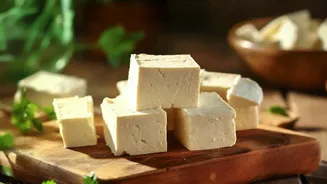
Grilling is an excellent method for reducing fat, particularly in meats. When you grill paneer, chicken, or fish, the excess fat drips away, resulting in a leaner, lower-calorie meal compared to frying. The high heat creates a delicious seared exterior while keeping the inside moist. For vegetables, grilling offers a smoky flavour and helps retain more nutrients than boiling due to the shorter cooking time. However, it's important to avoid charring your food, as the blackened parts can contain potentially harmful compounds. For a healthier grill, choose lean cuts of meat, trim visible fat, and don't be afraid to load up on colourful vegetable skewers.
Roasting: Deep Flavour, Minimal Fat
Roasting uses an oven's dry heat to cook food, creating a beautifully browned exterior and a tender interior. This method is ideal for a wide range of foods, including root vegetables like potatoes and carrots, as well as whole chicken or fish. Roasting requires very little oil, making it a healthier alternative to pan-frying. The process caramelises the natural sugars in vegetables, deepening their flavour and making them more appealing. While some heat-sensitive vitamins, like B vitamins, can be lost during roasting, the overall nutrient retention is generally good. It's a hands-off method that brings out a rich, comforting taste in your dishes.
Sautéing & Stir-Frying: Quick and Healthy
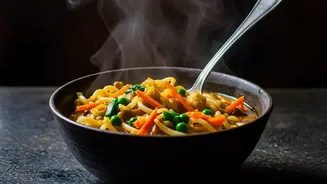
Sautéing and stir-frying involve cooking food quickly in a pan with a small amount of oil over relatively high heat. This speed is a major health advantage, as it helps preserve the texture and nutrients of vegetables. Because the cooking time is short, there's less opportunity for heat-sensitive vitamins to break down. The key is to use a healthy oil with a suitable smoke point and to keep the ingredients moving in the pan to ensure even cooking. This method is perfect for preparing a quick vegetable sabzi or a mixed-vegetable stir-fry, combining convenience with health. Adding fat like oil can even help the body absorb certain plant compounds and antioxidants better.
Pressure Cooking: Fast and Nutrient-Rich
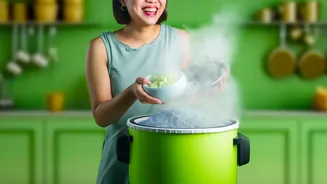
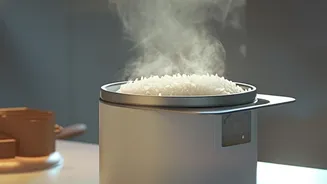
A staple in most Indian kitchens, the pressure cooker is a champion of both speed and nutrition. It cooks food under high-pressure steam, drastically reducing cooking times for dals, legumes, and even meats. This speed is key to its health benefits. While the temperature is higher, the significantly shorter cooking duration means less time for heat-sensitive nutrients to degrade compared to traditional boiling. Furthermore, because it uses minimal water, fewer water-soluble vitamins are lost. In dishes like dal or sambar, where the liquid is consumed, any leached nutrients are retained in the meal, making it an efficient and wholesome cooking method.