


As the air turns crisp, kitchens in North India welcome back a beloved winter staple: Nimona. This rustic green pea curry is more than just a dish; it's a seasonal ritual, brought to life by the punch of mustard oil and aromatic spices.
A Comforting Winter Tradition
Nimona is a classic
winter stew that originates from the fertile Gangetic plains, particularly Uttar Pradesh and Bihar. Its arrival in homes signals that winter has truly set in, coinciding with the short but bountiful season for fresh, sweet green peas. Unlike many other curries, Nimona's thick, dal-like consistency comes not from tomatoes or cream, but from the peas themselves, which are coarsely ground into a paste. It’s a hearty, nourishing dish that has been a quiet staple for generations, representing the best of seasonal cooking—simple, fresh, and deeply comforting. Every family often has its own cherished version, varying in thickness and spice, but the core essence remains the same: a celebration of winter's star vegetable.
The Soul of the Dish: Fresh Peas
The heart and soul of an authentic Nimona is undeniably the fresh green peas, or 'matar'. The dish relies on the natural sweetness of tender winter peas, which are available for only a few months, typically between November and February. This is why many traditionalists insist that Nimona should never be made with frozen peas, as they lack the same vibrant flavour and sweetness. The preparation involves grinding most of the shelled peas into a coarse paste, often leaving some whole to add texture to the final dish. This coarse-grinding technique is crucial; it helps create the stew's signature thick and rustic body, a texture that is both unique and satisfying.
The Pungent Power of Mustard Oil
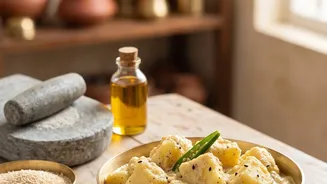
The distinct, pungent flavour of Nimona is largely thanks to its cooking medium: mustard oil, or 'sarson ka tel'. A staple in North and East Indian cooking, mustard oil has a high smoke point, making it ideal for the 'bhunai' (sautéing) process that is central to developing the dish's deep flavours. Before any other ingredients are added, the oil is often heated until it's almost smoking to mellow its raw sharpness. Its robust character stands up beautifully to the aromatic spices, binding them together and adding a layer of warmth that neutral oils cannot replicate. This oil is not just a cooking fat; it's a flavour enhancer that is inextricably linked to the traditional taste of many regional Indian dishes, including Nimona.
An Aromatic Blend of Spices
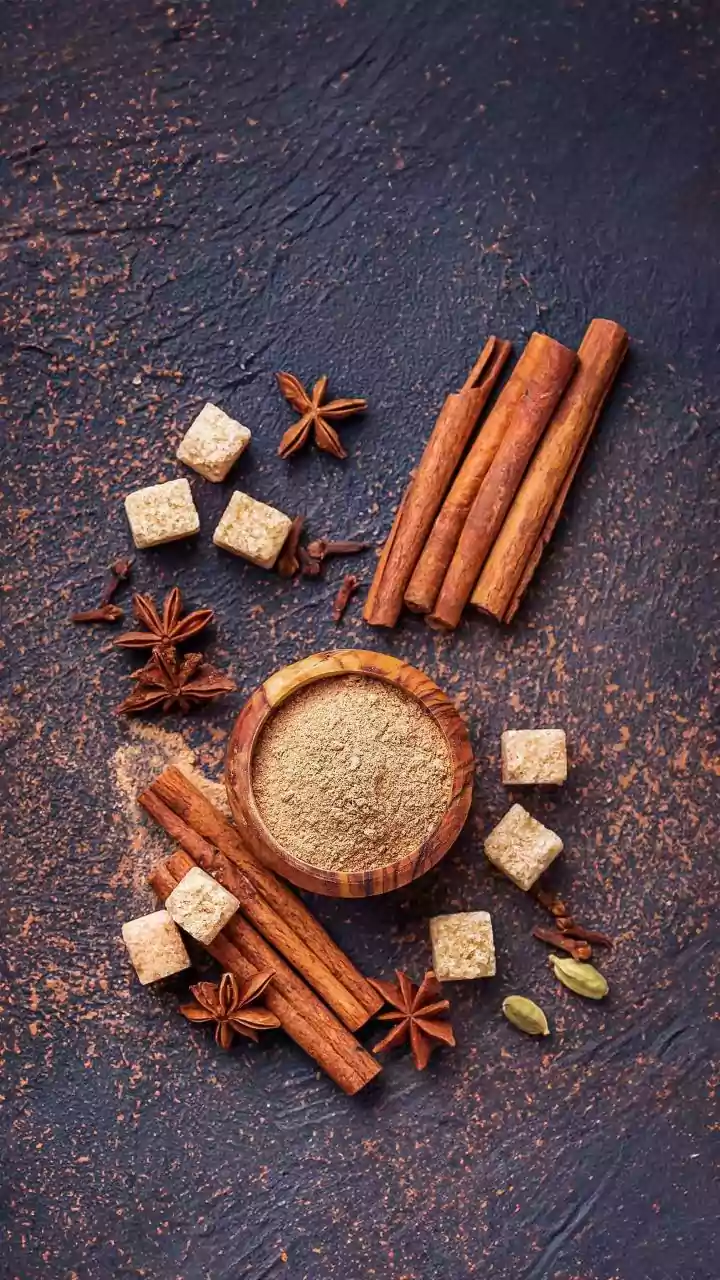
While peas provide the body and mustard oil the punch, a carefully selected blend of ground spices provides the aromatic backbone of Nimona. The specific combination can vary from one household to another, but a few key players are almost always present. Cumin seeds and a bay leaf are often the first to hit the hot oil, releasing their fragrance. A base 'masala' is then built with ginger, garlic, and green chillies, which are ground into a paste. This is followed by powdered spices like turmeric, coriander, and a touch of red chilli powder for warmth. A pinch of asafoetida (hing) is also a common addition, lending its unique savoury note. Finally, a sprinkle of garam masala at the end ties all the flavours together, creating a curry that is fragrant and complex.
Bringing It All Together
The magic of Nimona lies in the slow cooking process that melds these individual components into a harmonious whole. After frying the spices and masala paste until fragrant and the oil begins to separate, the coarse pea paste is added. This paste is sautéed patiently, a crucial step that cooks out its raw taste and deepens the flavour. Many recipes also include chunks of fried potato, which add substance, or 'vadiyan' (sun-dried lentil dumplings) that soak up the gravy and offer a delightful textural contrast. Water is then added to achieve the desired stew-like consistency, and the curry is left to simmer until the flavours have fully married and the oil gently floats to the top. Served hot with steamed rice or fresh rotis, it's the ultimate winter comfort food.