







A World of Interconnected Problems
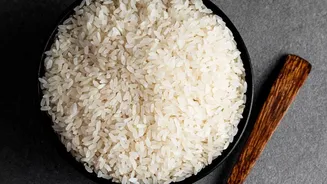
It can be hard to see the connection between a conflict thousands of kilometres away and the cost of a bag of Sona Masoori, but the link is direct and significant. Geopolitical tensions, particularly in West Asia, disrupt crucial shipping routes like
the Strait of Hormuz. This channel is a major artery for global trade, including the fuel and fertilisers needed for agriculture. When these routes become risky, shipping and insurance costs skyrocket. For a country like India, which imports over 85% of its crude oil and a significant amount of fertiliser, these increased costs inevitably ripple through the economy. The result is higher operational costs for farmers, from running tractors and irrigation pumps to fertilising crops. These expenses are then passed down the supply chain, eventually reaching you, the consumer.
The Local Picture Is Just as Crucial
While global events set the stage, domestic factors play a leading role. In 2026, a weaker-than-average monsoon, with significant rainfall deficits in August and September, has tightened the supply of summer-sown rice. This has led to lower production estimates, causing Indian rice export prices to hit a one-year high. While India's prices remain more competitive than those of Thailand and Vietnam, the domestic market is feeling the squeeze. The price of popular basmati varieties has risen by 15-20%, while non-basmati types like Sona Masoori have seen increases of 20-25%. With the next major crop harvest not expected until October or November, experts anticipate that these elevated prices will persist for the near future.
Shifting to Financial Strategy
Knowing why prices are high is one thing; managing the impact on your household budget is another. With staples becoming more expensive, a passive approach to finances is no longer sufficient. It's time to become more strategic and proactive. This doesn’t mean drastic sacrifices but rather a shift towards smarter, more conscious spending habits that can build resilience against price volatility. The goal is to control what you can—your spending—when faced with external factors that are beyond your influence. The following steps can help you navigate this period of inflation without derailing your financial well-being.
Master Your Monthly Budget
The first step to managing rising costs is knowing exactly where your money is going. Start by tracking all your expenses for a month. Use a simple notebook or a budgeting app to categorise your spending into needs (rent, utilities, groceries) and wants (eating out, entertainment). This exercise will reveal where you might be overspending. Once you have a clear picture, create a realistic food budget. With food costs taking up a significant portion of household expenses, planning meals for the week before you shop can drastically reduce impulse buys and food waste. This simple habit ensures you buy only what you need, helping you stick to your budget.
Become a Savvy Shopper
How you shop can make as much difference as what you buy. For non-perishable staples like rice, lentils, and cooking oil, buying in bulk is a proven way to save money, as the per-kilogram cost is almost always lower. However, be smart about it; only buy bulk quantities of items you use regularly to avoid waste. Embrace seasonal and local produce, which is typically fresher and cheaper. Consider a hybrid shopping model: a large monthly trip to a wholesale market for bulk staples and smaller weekly runs to your local store for fresh items. Finally, don't underestimate the power of comparing prices and looking for discounts or cashback offers on digital payment apps, which can trim a few rupees off every bill.