





Gardens by the Bay: A Futuristic Eden
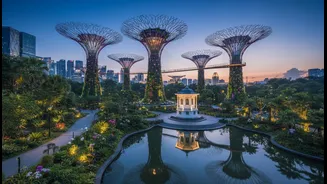
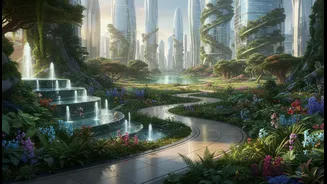
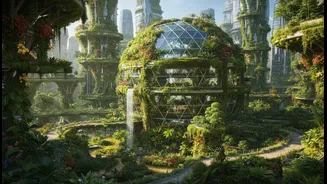
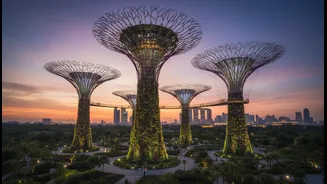
No discussion of Singapore’s green marvels is complete without Gardens by the Bay. Its iconic Supertrees are vertical gardens, ranging from 25 to 50 metres tall, draped in over 162,900 tropical plants like climbing flowers and ferns. These structures
are not just sculptural; they are functional, housing photovoltaic cells for solar energy and mimicking the ecological functions of real trees. Inside the stunning glass conservatories, the experience deepens. The Flower Dome replicates a cool, dry Mediterranean climate, while the Cloud Forest contains a 35-metre-tall indoor mountain and waterfall, sustaining plants from tropical highlands. The design is breathtaking, but the mission is botanical: to showcase and conserve tens of thousands of plant species from the world's most fragile ecosystems.
Singapore Botanic Gardens: A UNESCO Treasure
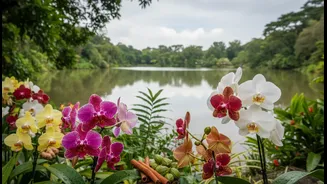
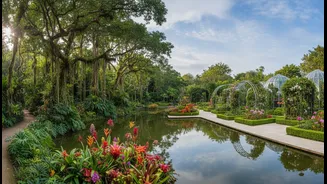
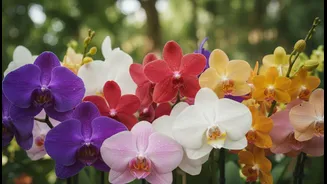
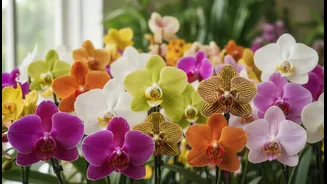
As the first and only tropical botanic garden on the UNESCO World Heritage list, this 165-year-old institution is the historic heart of Singapore's green identity. Spanning 82 hectares, its design is less about singular architectural statements and more about a beautifully orchestrated journey through different botanical worlds. Its botanical depth is immense, featuring a section of primeval rainforest, a Ginger Garden with over 250 species, and numerous heritage trees. The crown jewel is the National Orchid Garden, home to over 1,500 species and 3,000 hybrids, making it one of the most important orchid collections on the planet. The garden’s layout, with its serene lakes and themed trails, is a masterwork of landscape design that has remained remarkably intact while serving as a vital centre for botanical research.
Jewel Changi Airport: Nature Takes Flight
Transforming an airport into a horticultural destination sounds impossible, but Jewel Changi proves otherwise. At its core is the Shiseido Forest Valley, an expansive indoor forest with walking trails set among thousands of trees and shrubs from around the world. The artful centrepiece is the HSBC Rain Vortex, the world's tallest indoor waterfall, which cascades seven storeys through a giant oculus in the roof. This stunning spectacle is also a feat of environmental engineering, recirculating rainwater to cool the indoor environment. The entire space is designed to be a tranquil green sanctuary, demonstrating how nature can be integrated into the most functional of public spaces. With around 120 plant species, it’s a rich, living ecosystem that offers a peaceful welcome to the city-state.
Fort Canning Park: History in a Green Embrace
This hilltop park offers a different kind of fusion: one between nature, history, and modern design. Fort Canning was historically a seat of power for ancient kings and colonial rulers, and its landscape reflects this layered past. Recent restorations have created nine historical gardens, each telling a piece of Singapore’s story. The Sang Nila Utama Garden, for example, recreates the feel of 14th-century Southeast Asian palace gardens, while the Spice Garden features over 180 plant varieties, nodding to the island's role in the historic spice trade. The artful design here is subtle, using landscaping to frame historical artifacts and recreate ancient settings, like the re-created bathing place of 14th-century nobles. Its botanical depth comes from its preserved heritage trees and curated collections of plants significant to the region's culture and economy.