






The Vitamin Verdict
When it comes to vitamins, both vegetables are powerhouses, but they shine in different areas. Carrots are famously rich in Vitamin A. A single medium-sized carrot can provide more than the recommended daily intake. This comes in the form of beta-carotene,
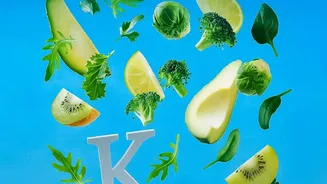
an antioxidant that the body converts into Vitamin A. This nutrient is crucial for sharp vision, a robust immune system, and healthy skin. Spinach, on the other hand, is an absolute champion of Vitamin K. One cup of raw spinach contains well over the daily requirement, playing a vital role in blood clotting and building strong bones. Spinach also offers a significant amount of folate, a B-vitamin essential for cell growth and DNA formation, making it particularly important during pregnancy.
A Mineral Match-Up
In the mineral department, spinach generally takes the lead. It is an excellent source of iron, which is necessary for creating haemoglobin to transport oxygen in the blood. However, it's important to note that the iron in spinach is 'non-heme' iron, which is less easily absorbed by the body due to compounds called oxalates. Pairing spinach with a source of Vitamin C, like lemon juice or tomatoes, can significantly boost iron absorption. Spinach is also packed with magnesium and manganese, minerals that support muscle function, nerve health, and energy metabolism. Carrots contribute a respectable amount of potassium, which helps regulate blood pressure and fluid balance, but spinach offers a higher concentration of most key minerals overall.
Fibre, Calories, and Carbs
For those managing their weight or blood sugar, both vegetables are excellent low-calorie, high-fibre options. A 100-gram serving of either vegetable contains only a small number of calories—around 23 for spinach and 41 for carrots. Both provide a good dose of dietary fibre, which aids digestion, promotes a feeling of fullness, and helps maintain stable blood sugar levels. Carrots have a slightly higher carbohydrate and sugar content, which gives them their characteristic sweet taste, but these are natural sugars coupled with fibre, making them a healthy choice. Spinach is lower in both carbs and sugar, making it an especially good option for low-carbohydrate diets.
Beyond the Basics: Unique Antioxidants
Beyond the main vitamins and minerals, carrots and spinach each possess unique antioxidant compounds that offer powerful health benefits. Carrots are loaded with various carotenoids besides beta-carotene, such as lutein and lycopene. These compounds help protect the body against cellular damage from free radicals. Spinach is one of the best dietary sources of lutein and zeaxanthin, two antioxidants that are incredibly important for eye health. They accumulate in the retina and help filter harmful high-energy blue light, reducing the risk of age-related macular degeneration and cataracts. So, while carrots are famously for 'vision', spinach protects the eyes in a different but equally crucial way.
Raw vs. Cooked: Maximising Nutrients
How you prepare these vegetables can influence how many nutrients your body receives. For carrots, cooking actually helps. The process breaks down the tough cellular walls, making the beta-carotene more available for your body to absorb. Adding a small amount of healthy fat, like ghee or oil, further enhances this absorption. For spinach, the story is mixed. Cooking spinach reduces its volume, meaning you're likely to eat more of it and get a more concentrated dose of nutrients like Vitamins A and K. However, cooking can also decrease the amount of water-soluble vitamins like folate and Vitamin C. A light steam is often better than boiling to preserve these delicate nutrients. Eating a mix of both raw and cooked spinach ensures you get the full spectrum of its benefits.