



What Is a GLOF?
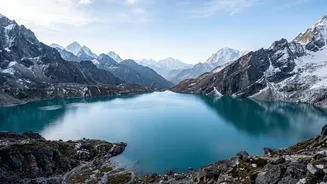
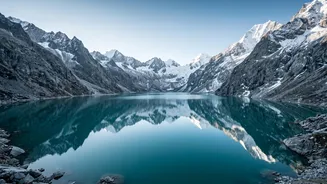
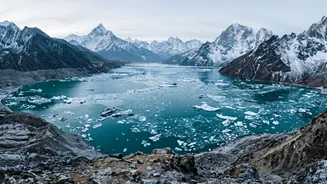
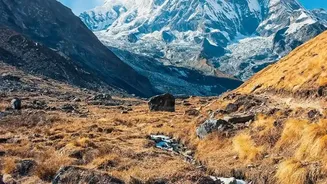
A Glacial Lake Outburst Flood (GLOF) is the sudden and catastrophic failure of a natural dam that holds back a glacial lake. These dams are typically made of loose rock, soil, and ice, known as a moraine, left behind by a retreating glacier. As climate
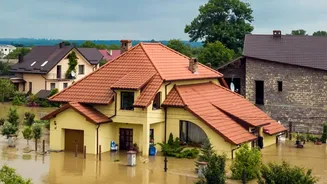
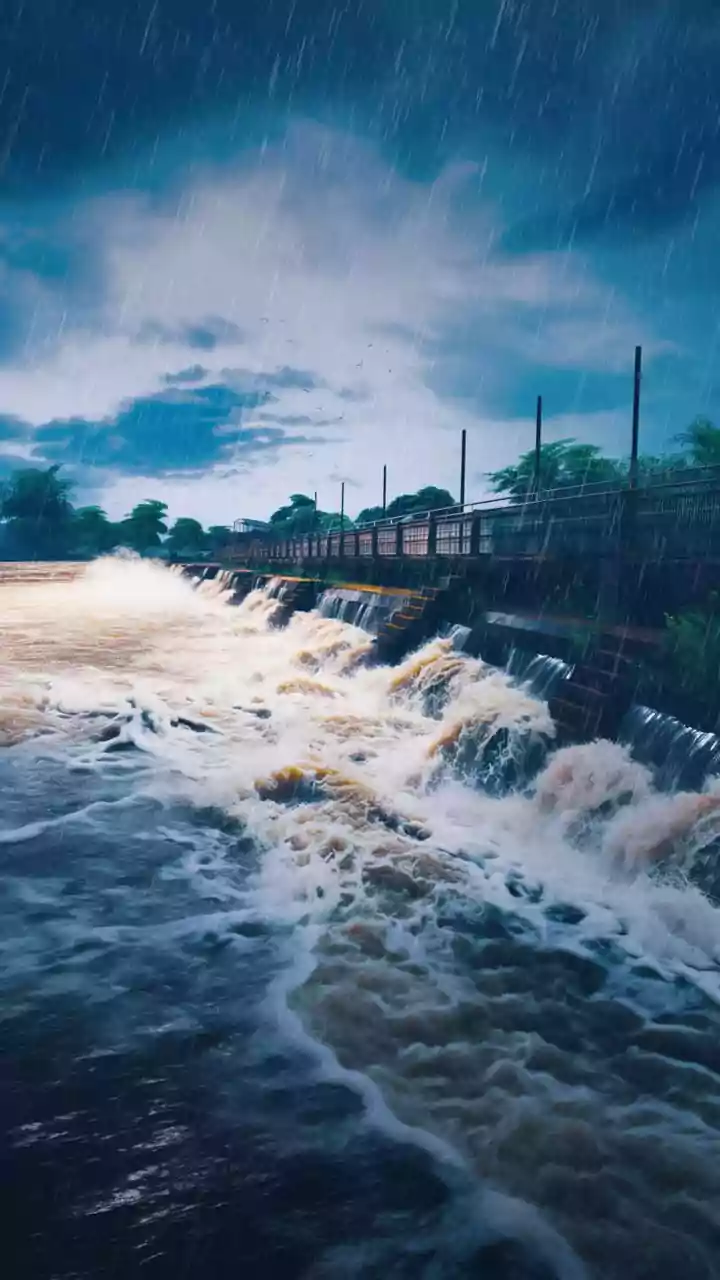
change accelerates the melting of glaciers, the volume of water in these lakes increases, putting immense pressure on their unstable natural barriers. A trigger event—such as a landslide, a large chunk of ice falling into the lake, or even an earthquake—can cause the moraine dam to collapse. This releases an immense torrent of water, mud, and debris downstream, moving with incredible speed and destructive force, far exceeding a normal river flood.
The Climate Change Connection
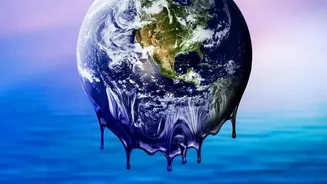
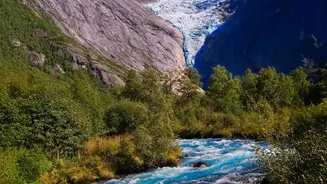
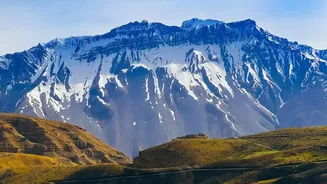
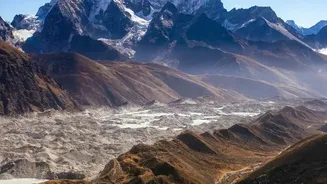
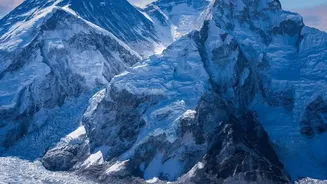
The threat of GLOFs is directly linked to rising global temperatures. Himalayan glaciers are reportedly retreating at an accelerating pace. This rapid melt does two things: it creates new glacial lakes and causes existing ones to expand quickly. The Hindu Kush Himalaya region now contains thousands of these lakes. This proliferation of large, unstable water bodies in highly fragile mountain environments significantly increases the frequency and potential scale of GLOF events. A study published in 2025 noted a marked increase in the annual frequency of GLOFs globally in recent decades. It is a clear and dangerous symptom of a warming planet transforming the high-altitude landscape.
A History of Devastation
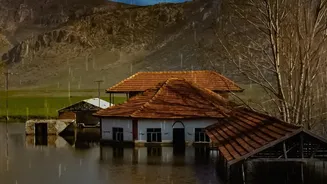
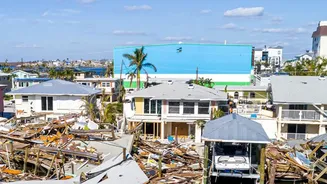
The risk is not theoretical. India has witnessed the catastrophic power of GLOFs firsthand. In October 2023, the South Lhonak Lake in Sikkim breached its moraine dam, triggering a massive flood in the Teesta River basin. The disaster claimed dozens of lives, left many more missing, displaced thousands, and caused the collapse of the Chungthang Dam, a major hydropower project. The total damage was estimated at over Rs 1,400 crore. Similarly, the 2021 flash flood in Chamoli, Uttarakhand, though its exact trigger was debated, highlighted the extreme vulnerability of Himalayan infrastructure and communities to such sudden deluges. These events serve as grim reminders of the stakes involved.
Mapping the High-Risk Zones
The GLOF threat looms over several Indian states and union territories. According to risk assessments, Jammu and Kashmir, Arunachal Pradesh, and Sikkim are particularly vulnerable. Himachal Pradesh and Uttarakhand also face significant risks. India's Himalayan region is home to thousands of glacial lakes, with hundreds classified as being at high or very high risk. The danger also extends beyond national borders. A GLOF event in neighbouring countries like Nepal or Bhutan can send floodwaters rushing down transboundary rivers, affecting communities in West Bengal and Assam, as seen with an incident at Bhutan's Sintaphu Lake in late October 2026.
The Race Against the Deluge
Mitigating this threat is a monumental challenge, but efforts are underway. India's National Disaster Management Authority (NDMA) has issued guidelines for managing GLOF risks. A key focus is on monitoring and early warning systems. This involves using satellite imagery and deploying on_site automatic weather stations to track lake water levels and stability. In 2025, the central government approved funding for the National Glacial Lake Outburst Flood Risk Mitigation Project for four high_risk states. In some cases, mitigation can involve structural measures, like creating channels to safely drain water and lower lake levels. However, the sheer number of lakes and the remoteness of the terrain make comprehensive monitoring and mitigation a complex and ongoing race against time.