



A Planet Out of Balance
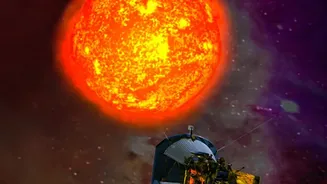
Think of Earth's climate like a meticulously balanced budget, but with energy instead of money. The planet receives energy from the sun (income) and radiates heat back into space (expenses). For thousands of years, this budget was more or less balanced,
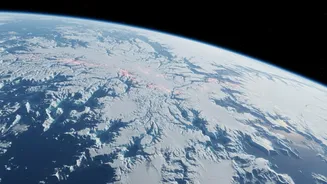
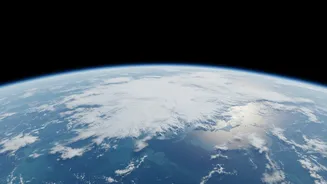
keeping global temperatures stable. However, due to increased greenhouse gases from human activity, we are now trapping more heat than we release. This is called Earth's Energy Imbalance (EEI). More than 90% of this excess heat is absorbed by our oceans, but the effects are now becoming starkly visible at the poles.
NASA's New Polar View
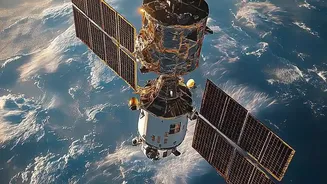
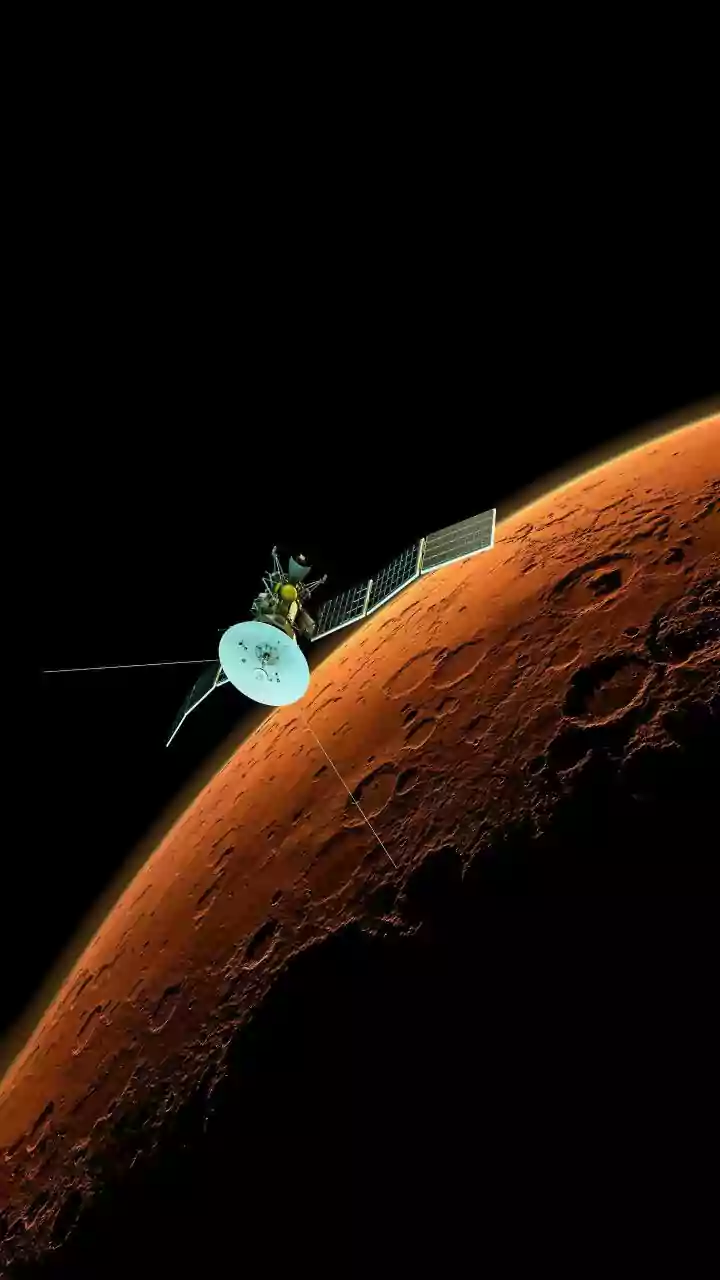
The headline refers to NASA's PREFIRE mission (Polar Radiant Energy in the Far-InfraRed Experiment), which began collecting data in July 2024. Using a pair of small satellites, this mission provides a continuous record of heat radiating from the Arctic and Antarctic. For the first time, scientists are measuring the full spectrum of far-infrared energy, which accounts for nearly 60% of the heat Earth loses to space. After two full years, the mission has mapped the dramatic seasonal temperature swings at both poles, giving a clear picture of how much energy is being retained.
The Poles as Global Barometers
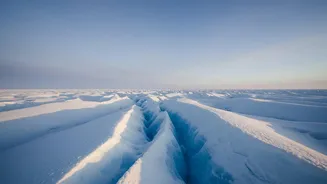
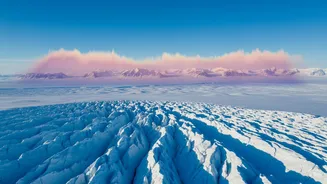
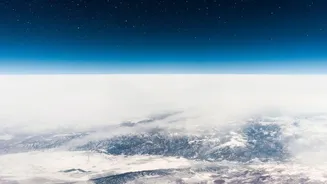
The polar regions are uniquely sensitive to shifts in the planet's energy budget. This phenomenon, known as polar amplification, means the poles warm much faster than the rest of the world. In recent years, the Arctic has been warming nearly four times faster than the global average. There are several reasons for this. As heat is transported from the tropics toward the poles by ocean and air currents, it has a more potent warming effect in the cold, dry polar air. The Arctic and Antarctic act as the planet's refrigerators, and when they start to warm, the entire system is affected.
Ice, Albedo, and Vicious Cycles
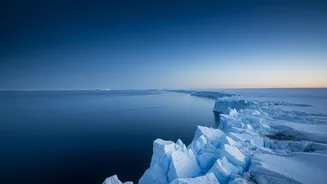
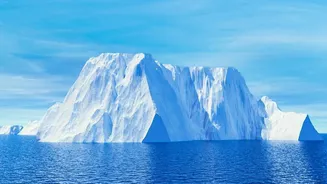
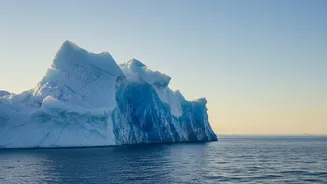
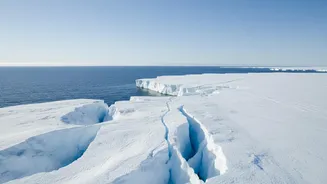
A key factor in polar amplification is a feedback loop involving ice. Bright white sea ice is highly reflective, bouncing a large portion of the sun's energy back into space. This is known as the albedo effect. However, as the planet warms and ice melts, it exposes the darker ocean or land beneath. These darker surfaces absorb more solar energy instead of reflecting it, which in turn causes more warming and melts even more ice. This creates a vicious cycle that accelerates warming at a dangerous pace, a process that NASA's PREFIRE data is helping to quantify with greater precision.
Different Poles, Different Problems
While both poles are warming, their unique geographies lead to different outcomes. The Arctic is an ocean surrounded by land, and its sea ice has been declining dramatically. The Antarctic, a landmass covered in a vast ice sheet and surrounded by ocean, has shown a more complex and, until recently, muted response. However, studies show that destabilizing feedbacks are at play in both regions. The PREFIRE mission's ability to monitor both poles simultaneously will help scientists understand why they respond differently and how each contributes to global changes.
What Polar Warming Means for the World
What happens at the poles doesn't stay at the poles. The melting of the Greenland and Antarctic ice sheets is a primary driver of global sea-level rise, threatening coastal communities worldwide. The rapid warming also disrupts atmospheric patterns like the jet stream. This can lead to more extreme and unpredictable weather in the mid-latitudes, including more intense heatwaves, severe cold snaps, and altered rainfall patterns that can affect agriculture and food security far from the ice itself.