
A Junkyard Above Our Heads
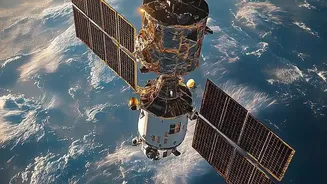
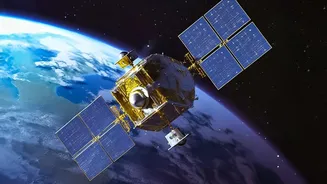
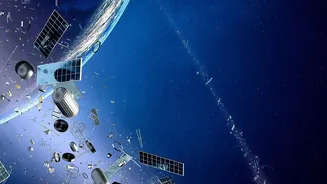
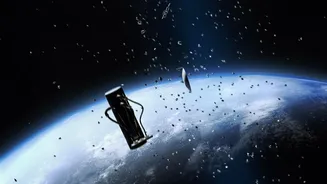
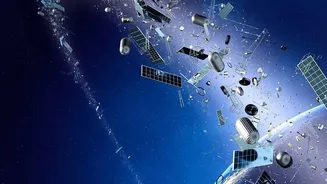
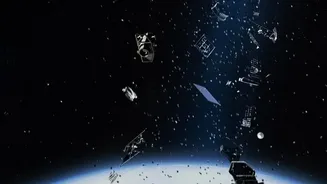
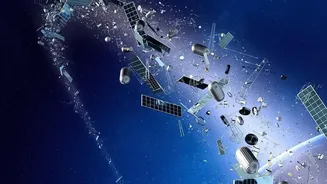
Space, the final frontier, has a litter problem. For decades, every rocket launch and satellite deployment has left something behind. This includes defunct satellites, spent rocket stages, and fragments from past collisions. There are now over 31,000
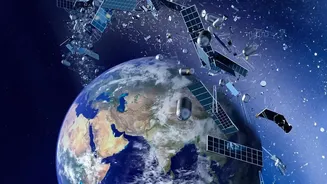
tracked objects, but this is just the tip of the iceberg. It is estimated there are hundreds of thousands of smaller, untrackable pieces of debris orbiting Earth at speeds of over 28,000 kilometres per hour. At that velocity, even a tiny paint fleck can inflict serious damage on a functioning satellite, and a collision with a 1 cm piece can be catastrophic. This growing field of high-speed junk poses a direct threat to the space-based infrastructure that powers our modern world.
The Looming Threat of a Collision Cascade
The primary concern among scientists is a scenario known as the Kessler Syndrome, first proposed by NASA scientist Donald J. Kessler in 1978. It describes a tipping point where the density of objects in orbit becomes so high that collisions generate debris faster than it can be removed by natural atmospheric drag. Each collision creates a cloud of new projectiles, which in turn increases the probability of further collisions, creating a self-sustaining chain reaction. Such an event could render certain orbits unusable for generations, effectively trapping us on Earth. A 2009 collision between a defunct Russian satellite and an active U.S. Iridium satellite demonstrated this theory in practice, creating thousands of new pieces of debris. More recently, in September 2026, a Cold War-era spy satellite fragmented for unknown reasons, adding to the debris cloud in a crowded orbital region and reviving concerns about this cascade effect.
The Multi-Billion Dollar Cleanup Crew
Where there is risk, there is also opportunity. The escalating danger of space debris has given rise to a new commercial industry dedicated to its removal. Market forecasts vary, but the trend is clear: this is a sector poised for explosive growth. One recent analysis projects the space debris removal market could soar from around $143 million in 2025 to $9.57 billion by 2035, with a compound annual growth rate of over 40%. This growth is driven by the sheer number of new satellites being launched—over 2,800 annually—and increasing regulatory pressure on operators to manage their satellites' end-of-life. Companies like Astroscale, ClearSpace, and legacy aerospace firms like Northrop Grumman are pioneering this new market.
The Technology of Tidying Space
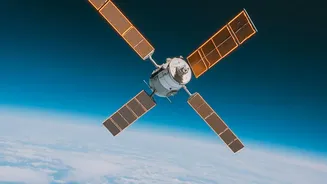
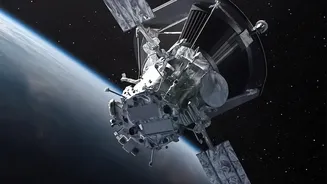
Removing an object travelling at orbital velocity is an immense technical challenge. A variety of innovative solutions are currently under development. These include robotic arms to capture and deorbit defunct satellites, large nets, and even harpoons. The European Space Agency (ESA) has commissioned ClearSpace to launch the first active debris removal mission, targeting a leftover piece of a rocket. Japan's Astroscale is also demonstrating rendezvous and inspection technology. Other proposed concepts include ground-based lasers to nudge debris into new orbits where it can burn up in the atmosphere. These technologies are shifting from theoretical to practical, with companies aiming to offer 'Debris Removal as a Service' within the next few years.
Why Orbital Debris Matters on Earth
This isn't just a problem for astronauts and satellite operators. Modern life is fundamentally dependent on space infrastructure. GPS navigation, financial transactions, weather forecasting, climate monitoring, and global communications all rely on a network of vulnerable satellites. The cost of protecting this infrastructure is already estimated to be 5-10% of a total mission's cost, potentially running into hundreds of millions of dollars. A cascading failure of satellites could have a devastating socio-economic impact, disrupting economies and services we take for granted. Cleaning up space is therefore not just about preserving the final frontier; it's about performing essential maintenance on the invisible infrastructure that underpins the 21st-century global economy.