



The Unsung Hero of the Morning Meal
The word 'chutney' derives from the Sanskrit 'chatni', meaning 'to lick'. This tells you everything you need to know about their irresistible nature. For centuries, chutneys have been an integral part of Indian cuisine, serving not just as flavour enhancers
but also as digestive aids with roots in Ayurveda. In the context of a street-side breakfast, they are non-negotiable. A vendor's reputation can rise or fall based on the quality and variety of their chutneys. They provide a counterpoint of flavour and texture—coolness to balance spice, tang to cut through richness, and a freshness that awakens the senses, preparing you for the day ahead.
The Foundational Trinity
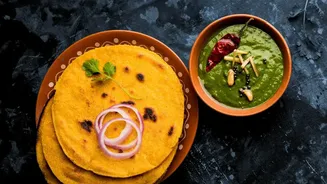
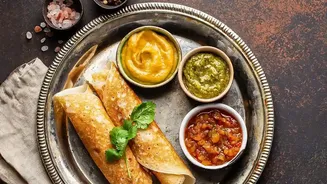
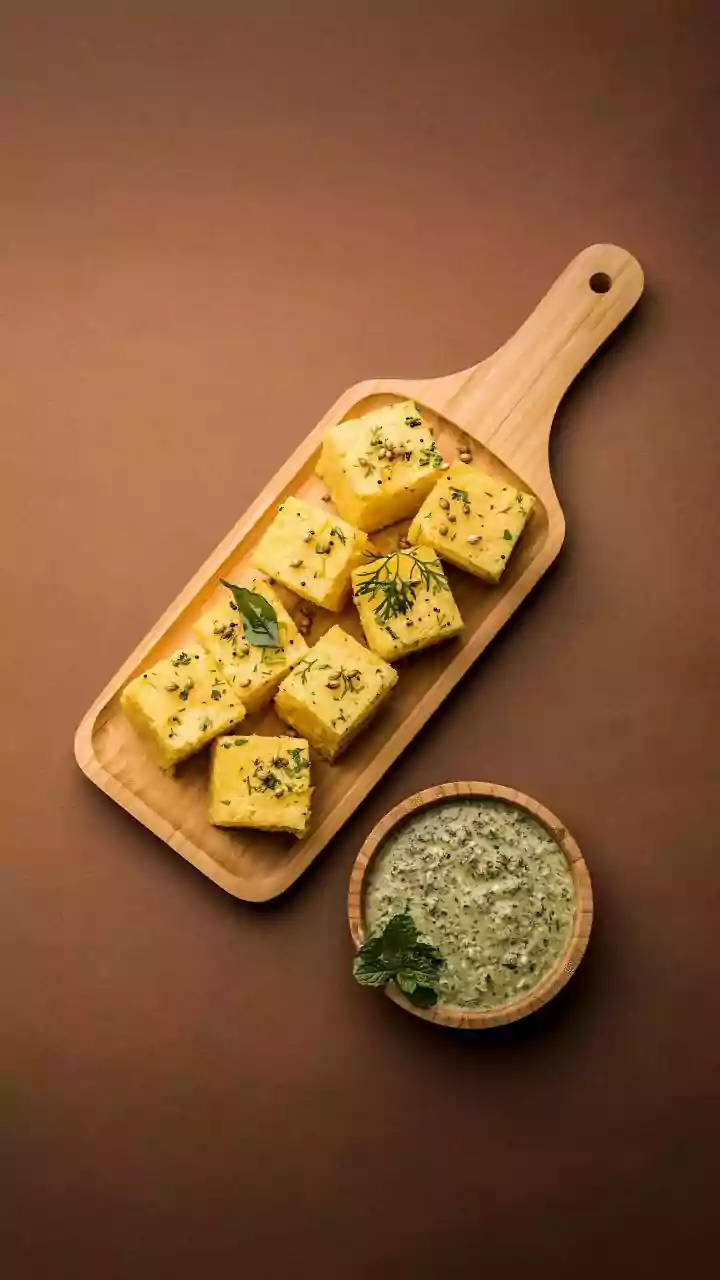
Any discussion of breakfast chutneys must begin with the classics. The most ubiquitous is the humble coconut chutney, a creamy, comforting concoction of freshly grated coconut, green chillies, and ginger, often tempered with mustard seeds and curry leaves. It is the default companion to South Indian staples like idli and dosa. Then there is the vibrant green chutney, a zesty blend of coriander and mint leaves, which offers a fresh, sharp kick. The third pillar is a tangy red chutney, typically tomato or onion-based, which provides a sweet, sour, and sometimes fiery dimension. This trio forms the colourful and flavorful foundation upon which countless variations are built.
Celebrating Regional Champions
Beyond the big three, India's diverse geography gives rise to a spectacular array of regional chutney heroes. In Andhra Pradesh and parts of Tamil Nadu, peanut chutney is a beloved staple, offering a deeply earthy and nutty flavour that pairs beautifully with breakfast dishes. In Maharashtra and Rajasthan, a fiery garlic chutney (lehsun chutney) adds a pungent, powerful punch to everything from vada pav to dal baati. Further south, shallot chutney (chinna vengayam chutney), with a consistency almost like a jam, provides a labour-of-love condiment for heartier dishes like uttapam. These hyper-local specialities showcase the ingenuity of using available ingredients to create distinct flavour profiles.
The New Wave: Innovation and Adaptation
The "current development" in the world of breakfast chutneys is not a radical overhaul but a creative expansion. Street vendors and home cooks are increasingly experimenting with vegetables to create unique twists. Chutneys made from beetroot are gaining popularity, lending a stunning pink hue and an earthy sweetness. Similarly, raw mango, carrot, and ridge gourd chutneys are finding their way onto breakfast plates, offering new textures and flavours. There's also a noticeable fusion trend, with the flavours of Schezwan sauce and tandoori spices being incorporated into modern dips served alongside traditional breakfasts. This inventive spirit shows that the world of chutney is far from static.
Modern Convenience Meets Tradition
Another significant development is the rise of convenience without compromise. Acknowledging the fast pace of modern life, several brands now offer ready-to-eat chutney powders. These mixes, from classic coconut and tomato to more niche varieties like Solapuri peanut chutney, require only the addition of water to create a fresh-tasting condiment in minutes. This innovation bridges the gap between the authentic taste of street-style chutneys and the needs of a contemporary kitchen. It allows the traditional flavours to travel beyond the street corner and onto breakfast tables anywhere, anytime, ensuring the legacy of these essential condiments continues to thrive in new forms.