


Delhi: A Tale of Two Kitchens
India's capital is a sprawling epicentre of flavour where ancient history and modern energy collide on every plate. The city's food story is split between the winding lanes of Old Delhi and the bustling markets of New Delhi. In the old city, Mughal culinary
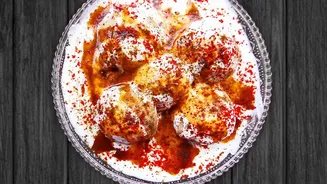
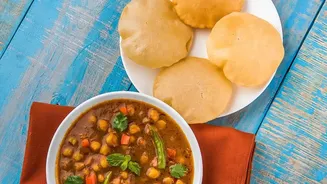
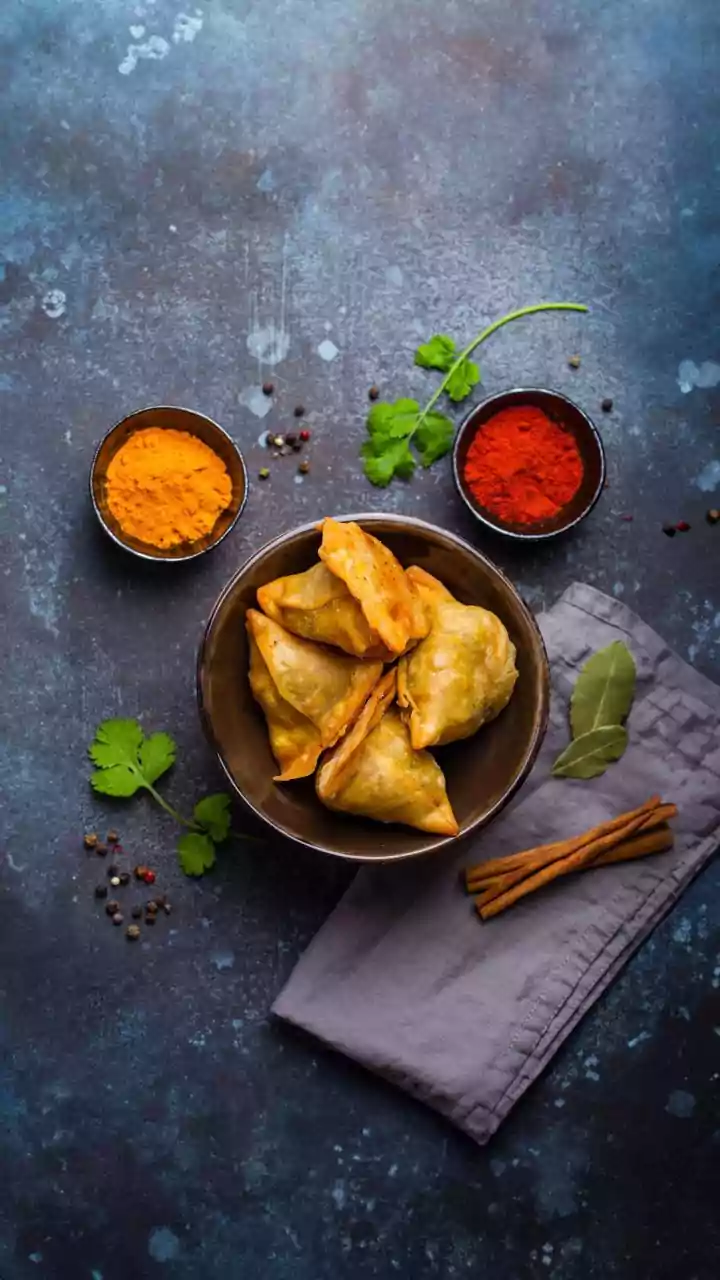
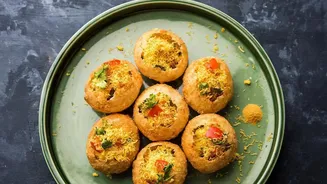
traditions are alive and well. You can find succulent kebabs grilled over charcoal, rich and aromatic biryanis, and the slow-cooked breakfast stew, Nihari. Chandni Chowk is legendary for its street food, especially chaat—a category of savoury snacks that includes treats like the tangy aloo tikki and crispy papri chaat. Meanwhile, New Delhi is home to Punjabi influences, with butter chicken reigning supreme at iconic spots like Moti Mahal, its reputed birthplace. From chole bhature for breakfast to a mind-boggling variety of parathas, Delhi offers a comprehensive taste of North Indian cuisine.
Mumbai: The Pulse of Street Food
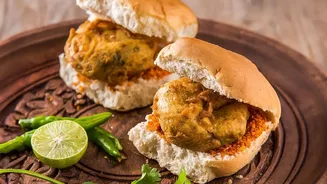
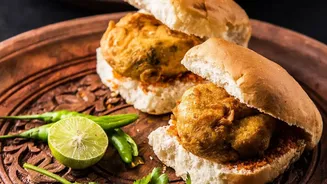
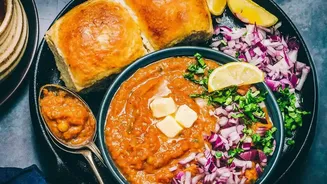
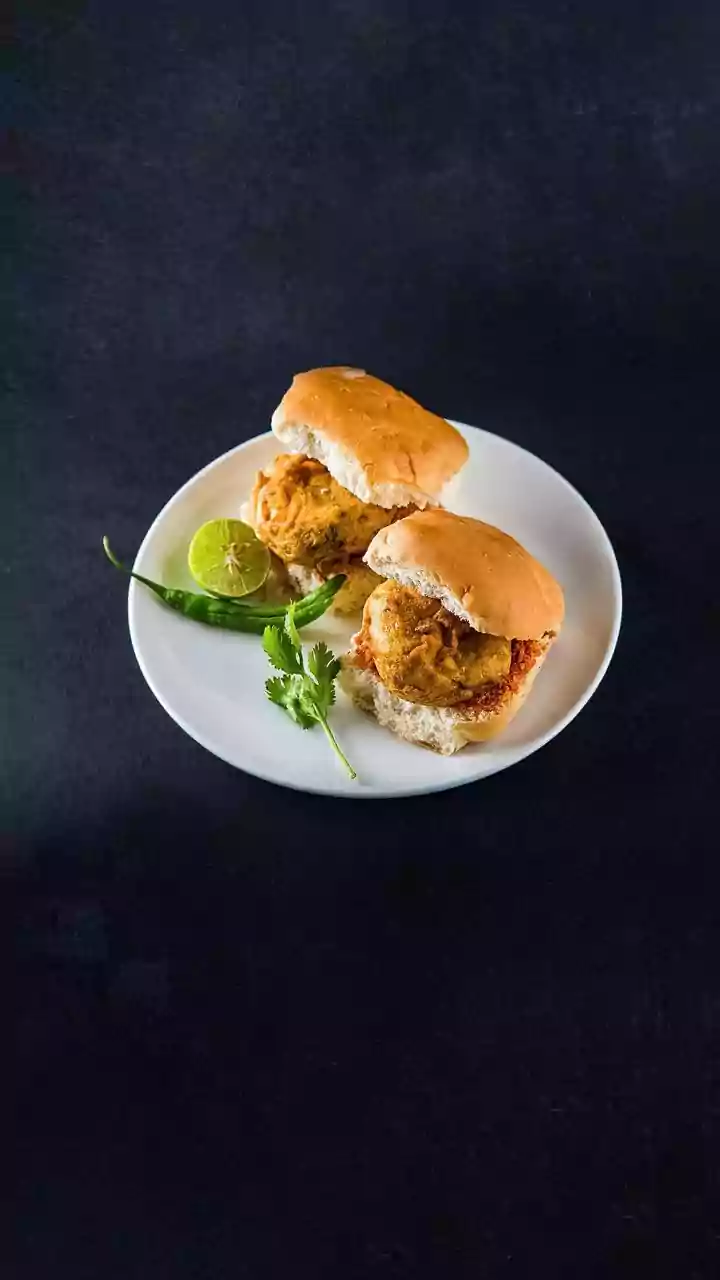
Mumbai’s culinary scene is as fast-paced and diverse as the city itself. This is the undisputed capital of Indian street food, designed for people on the go. The most iconic dish is the Vada Pav, a humble yet delicious spiced potato fritter stuffed in a soft bread roll, often called the Indian burger. Another must-try is Pav Bhaji, a medley of mashed vegetables cooked in spices and served with a soft, buttered bread roll. Beyond these staples, the city's coastal location means a bounty of fresh seafood, from Bombil (Bombay Duck) fry to flavorful prawn curries. The city is also a melting pot of communities, which is reflected in its food, from the Irani cafes serving bun maska and chai to the vibrant vegetarian sandwiches and Gujarati snacks found at places like Swati Snacks.
Kolkata: The City of Joy and Sweets
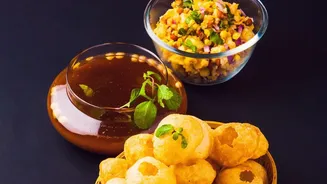
Known as India's cultural capital, Kolkata's passion for food is profound and poetic. The city is particularly famous for its sweets and desserts. No culinary trip is complete without sampling rosogolla and sandesh from legendary confectioners. But the savoury side is just as compelling. Bengali cuisine celebrates fish, with classics like macher jhol (fish curry) and chingri malai curry (prawns in coconut cream). The street food scene is vibrant, with phuchka (Kolkata's version of pani puri) and kathi rolls, which were invented here, being local obsessions. The city also has a unique culinary pocket in Tangra, India's oldest Chinatown, which offers a distinct Indian-Chinese cuisine that has spread across the country.
Lucknow: The Royal Kitchen of Awadh
For a taste of regal history, head to Lucknow, the capital of Uttar Pradesh. The city is the heartland of Awadhi cuisine, known for its slow-cooking techniques (dum pukht) and subtle, aromatic spices. Lucknow's culinary identity was shaped by the Nawabs, who patronized royal kitchens where chefs created elaborate dishes. This is the city of kebabs, and not just any kebabs. The Galouti kebab, made of finely minced meat, is so soft it melts in your mouth, supposedly created for a toothless Nawab. Other must-try dishes include the silky Kakori kebabs, rich kormas, and the fragrant Lucknowi biryani, which is more delicately spiced than its Hyderabadi counterpart. The entire dining experience, known as Dastarkhwan, feels like a journey back in time.
Hyderabad: A Legacy of Nizams and Biryani
Hyderabad's culinary fame can be summed up in one word: biryani. The Hyderabadi biryani is an iconic dish, a fragrant and flavourful combination of long-grain rice, meat, and a potent blend of spices, all slow-cooked to perfection. But the city's food scene, which earned it a UNESCO Creative City of Gastronomy title, goes much deeper. Its cuisine is a fusion of Mughlai, Turkish, and Arabic influences with a Telugu touch. Beyond biryani, you must try Haleem, a rich stew of meat, lentils, and wheat, especially popular during Ramadan. The city is also famous for its Irani chai, often paired with Osmania biscuits, and decadent desserts like Qubani ka Meetha (stewed apricots) and Shahi Tukda.