








The Latest on Cyclone Akvan
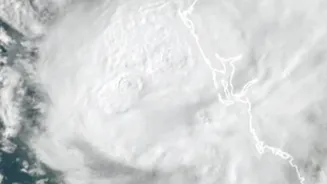
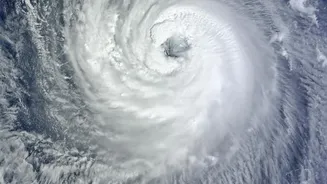
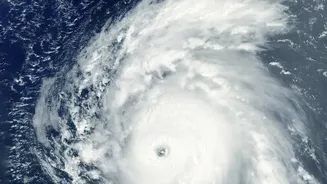
The India Meteorological Department (IMD) is closely tracking Severe Cyclonic Storm Akvan, which is currently located over the west-central Bay of Bengal. As of the morning of November 19, 2026, the storm was positioned approximately 480 km southeast
of Narsapur in Andhra Pradesh and 600 km south of Gopalpur in Odisha. The system has been moving north-northwestwards at a slow pace of around 5 kmph. The IMD has issued alerts for coastal regions, warning that the storm is expected to bring heavy to extremely heavy rainfall and strong winds to coastal Andhra Pradesh and Odisha on November 19 and 20.
Projected Path and Landfall
Forecasts indicate that Cyclone Akvan is likely to make landfall around noon on Friday, November 20. The expected crossing point is along the North Andhra Pradesh and South Odisha coasts, somewhere between Narsapur and Puri. While there has been some uncertainty in its track, with the projected landfall zone shifting slightly northward, authorities are preparing for a significant impact. At landfall, the IMD predicts the system will be a severe cyclonic storm with maximum sustained wind speeds of 90-100 kmph, gusting up to 110 kmph. Initially, there were projections of it becoming a 'very severe cyclonic storm', but the intensity forecast has since been slightly downgraded.
Context of an Active Storm Season
The formation of Akvan, a name suggested by Iran, follows other recent cyclones like Arnab and Murasu, highlighting a particularly active post-monsoon cyclone period in the North Indian Ocean. The 2026 season has seen several systems develop, with peaks in activity before and after the main monsoon months. Forecasts generated earlier in the year by meteorological agencies suggested that the post-monsoon season from October to December could see above-average cyclonic activity, a prediction that appears to be holding true. Factors contributing to the Bay of Bengal's propensity for cyclones include high sea surface temperatures and other favourable atmospheric conditions.
How Authorities Are Preparing
In response to the threat, state governments in both Andhra Pradesh and Odisha have been placed on high alert. The National Disaster Response Force (NDRF) and State Disaster Response Force (SDRF) teams are being positioned in vulnerable coastal areas. Authorities have begun evacuating people from low-lying and landslide-prone areas, particularly in districts like Ganjam, Gajapati, Khordha, and Puri in Odisha. Fishermen have been strictly advised not to venture into the sea until November 21. Additionally, railways have rescheduled several trains as a precautionary measure, and schools in some Odisha districts have been ordered to close.
What You Can Do to Stay Safe
Residents in the affected coastal districts are urged to remain vigilant and follow official instructions from the IMD and local authorities. It is crucial to stay updated through official channels and avoid spreading rumours. Preparations should include securing your home, preparing an emergency kit with essentials, and being ready for potential power disruptions. Farmers have been advised to harvest mature crops and protect their harvested paddy with tarpaulins. For those in designated danger zones, heeding evacuation orders promptly is the most important safety measure. Tourism and recreational activities on beaches and at sea have been suspended in several areas.