



The Indian Space Research Organisation (ISRO) is poised to take a significant step in bolstering the country's sovereign navigation capabilities with the scheduled launch of NVS-03 on October 30. This isn't just another satellite launch; it's a crucial
mission to rejuvenate NavIC, India's indigenous answer to GPS.
What is NavIC?
NavIC, short for Navigation with Indian Constellation, is India's homegrown regional satellite navigation system. Conceived after the 1999 Kargil conflict highlighted the strategic need for an independent positioning system, NavIC is designed to provide accurate positioning, navigation, and timing (PNT) services. Its coverage extends across the entire Indian landmass and approximately 1,500 kilometres beyond its borders. The system offers two tiers of service: a Standard Positioning Service (SPS) for all civilian users and an encrypted Restricted Service (RS) for strategic and military applications. When fully operational with a constellation of seven satellites, it's designed to provide location accuracy of better than 10-20 metres.
Why the 'Renewal' is Critical
In recent times, the NavIC system has been operating below its optimal capacity. A functional navigation service requires a minimum of four operational satellites to provide an accurate, standalone three-dimensional position. However, due to a combination of factors—including ageing first-generation satellites, failures of imported atomic clocks, and an unsuccessful launch of a replacement satellite (NVS-02) in 2025—the constellation has fallen below this threshold. Currently, with only three satellites fully providing PNT services, NavIC cannot offer standalone positioning, although its timing services remain functional. The upcoming launch of NVS-03 is therefore not just an addition but a vital step to restore the system's core functionality.
Meet NVS-03: The Second Generation
NVS-03 is the third satellite in the new NVS (Navigation Satellite) series, which represents the second generation of India's navigation satellites. These advanced satellites are designed for a longer mission life of 12 years and come with significant upgrades. One of the most important enhancements is the inclusion of an indigenous Rubidium atomic clock, developed by the Space Applications Centre in Ahmedabad. This move aims to reduce reliance on foreign components and address the clock-related failures that plagued some of the earlier satellites. Another key feature of the NVS series is the introduction of a new L1 frequency band for civilian use, alongside the existing L5 and S bands.
Broader Horizons with the L1 Band
The addition of the L1 frequency is a game-changer for NavIC's widespread adoption. The L1 band is the most commonly used frequency for global navigation satellite systems, including the American GPS. Its inclusion makes NavIC signals interoperable and more easily integrated into a vast range of commercial devices. This paves the way for NavIC to be used in smartphones, smartwatches, and other low-power Internet of Things (IoT) devices without requiring specialised or costly hardware. This will significantly expand NavIC's reach from strategic sectors like transport and disaster management to everyday consumer applications, truly bringing 'Made in India' navigation to the masses.
The Road Ahead for India's GPS
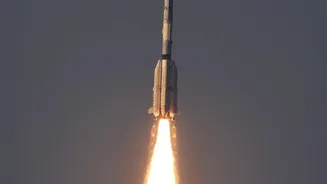
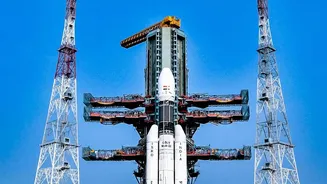
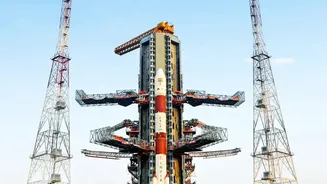
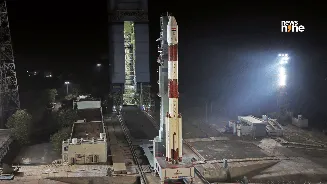
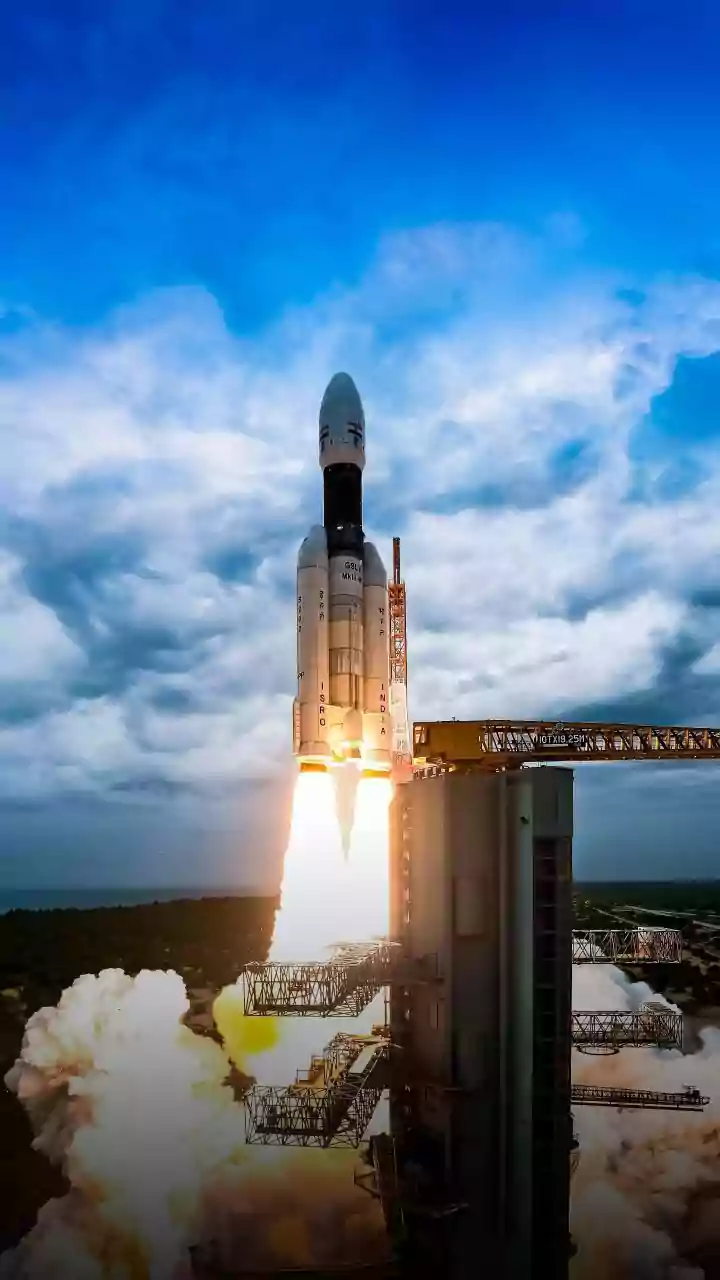
The NVS-03 launch, scheduled to lift off from Sriharikota aboard a GSLV Mk-II rocket, is a critical milestone. A successful mission will bring the number of operational satellites to the minimum of four required for standalone positioning, effectively bringing NavIC's core service back online. But this is just one part of a larger renewal plan. ISRO has five satellites planned in the NVS series to replace the entire first-generation fleet and ensure the longterm health, continuity, and enhancement of India's sovereign navigation system. Each successful launch fortifies India's strategic autonomy, ensuring it does not have to depend on foreignnd operated systems for critical navigation services.