





The Truth About Houseplants and Air Quality
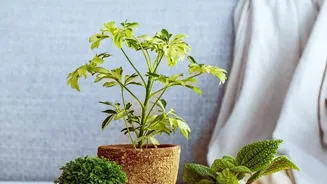
The belief that houseplants are powerhouse air purifiers largely stems from a 1989 NASA study. This research found that, in a sealed laboratory chamber, certain plants could remove volatile organic compounds (VOCs) like formaldehyde and benzene from the
air. However, our homes are not sealed chambers. They have natural ventilation, drafts, and a much larger volume of air. Subsequent analysis and reviews by scientists have concluded that you would need an impractically large number of plants to make a meaningful difference. Estimates suggest it could take anywhere from 10 to 1,000 plants per square metre to match the air-cleaning effect of a typical building's ventilation system. While plants do offer proven mental health and aesthetic benefits, they are not a practical solution for purifying your home's air.
Improve Airflow and Ventilation
The single most effective way to improve indoor air quality is simple and free: ventilation. Opening windows on opposite sides of your home to create a cross-breeze for even 15-20 minutes a day can dramatically reduce the concentration of indoor pollutants. In a home, air exchange from ventilation dilutes pollutants far faster than plants can absorb them. Make it a habit to use exhaust fans in the kitchen while cooking and in the bathroom during showers. This removes moisture and contaminants at the source, preventing them from circulating throughout your home. A well-ventilated home is a healthier home, and it’s the true first step to cleaner indoor air.
Focus on Energy Consumption
A significant part of a home's environmental impact comes from electricity use. In India, where air conditioners and fans are essential, making smart choices can lead to big savings for both your wallet and the planet. Switching to LED bulbs is a great start, as they use up to 75% less energy than incandescent bulbs. When buying new appliances, look for high BEE star ratings; a 5-star rated appliance consumes significantly less power. Simple habits like unplugging chargers and devices when not in use can also prevent 'phantom' energy loss. And whenever the weather permits, choosing a fan over an air conditioner can drastically cut down on your daily energy consumption.
Rethink Your Kitchen Waste
The kitchen is often the source of the most household waste, but it's also a place ripe with opportunity for sustainable change. Composting organic waste is a powerful action. Many Indian municipalities now support composting, and home composters are becoming easier to find. This diverts a huge amount of waste from landfills. Another impactful habit is to reduce food miles by buying local and seasonal produce. This supports local farmers and reduces the carbon footprint associated with transporting food over long distances. Finally, consciously reduce single-use plastics by opting for steel or glass containers for storage and carrying your own cloth bags for shopping.
Be Mindful of Water Usage
Water is a precious resource, and conserving it at home is a key part of a greener lifestyle. Simple actions can have a cumulative impact. Start by fixing any leaky taps or pipes promptly. A slow drip can waste hundreds of litres of water over time. Consider reusing the wastewater from RO water purifiers, which can be collected and used for mopping floors or watering plants. This is a common practice in many Indian households that makes a real difference. Taking shorter showers and being conscious of not letting the tap run unnecessarily while brushing your teeth or washing dishes are small habits that contribute to a larger culture of conservation within the home.
Choose Conscious Cleaning and Decor
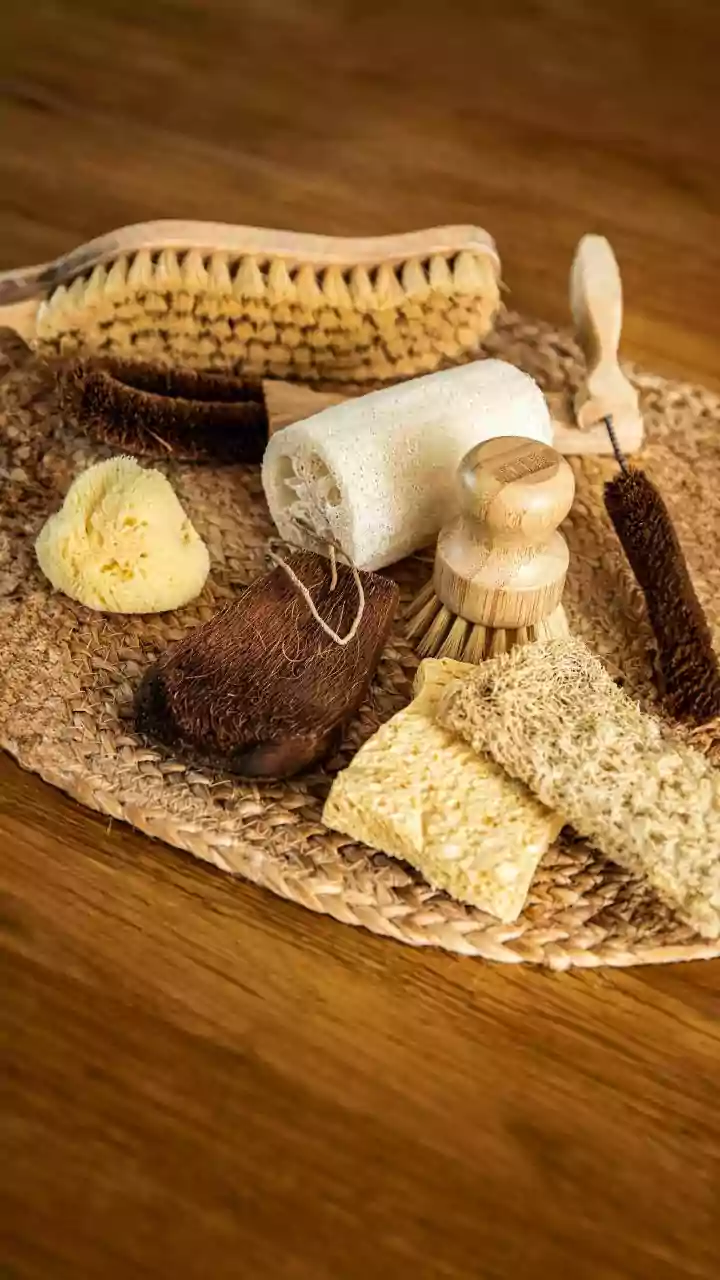
The products we bring into our homes also affect its 'green' credentials. Many commercial cleaning products contain harsh chemicals that can impact indoor air quality. Consider making your own simple and effective cleaners using ingredients like vinegar, baking soda, and lemon, or look for eco-friendly brands. When it comes to decor, think sustainability. Upcycling or repainting old furniture instead of buying new reduces waste and adds unique character to your space. When you do need to buy new items, look for those made from natural, renewable materials like bamboo, cork, or reclaimed wood.