



The Core Experience: Land vs. Water
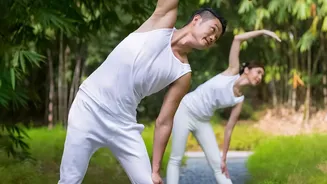
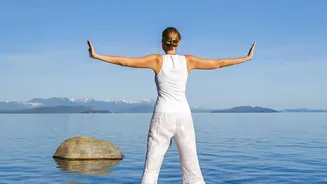
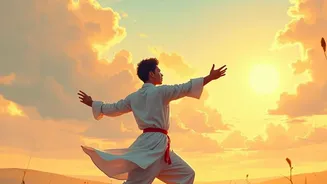
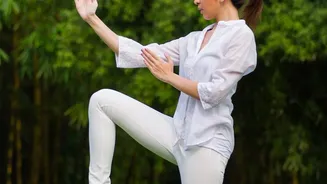
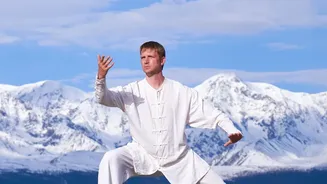
The most fundamental difference lies in the environment. Tai Chi is a land-based martial art often described as 'meditation in motion'. It is practiced through a series of slow, flowing, and deliberate movements, often in a quiet park or studio. This
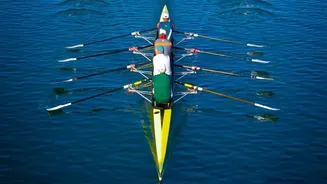
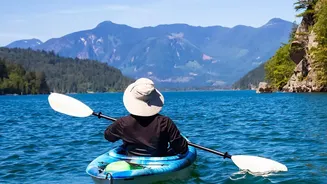
practice requires no equipment and can be done almost anywhere. Its focus is internal, concentrating on breath, balance, and the graceful transition between postures. Kayaking, on the other hand, is a water sport that takes you outdoors onto lakes, rivers, or the sea. It's an activity of exploration and connection with nature. The experience is external and sensory—feeling the breeze, hearing the water, and seeing the landscape change. While Tai Chi grounds you, kayaking offers a sense of adventure and escape.
Physical Benefits: Strength and Cardio
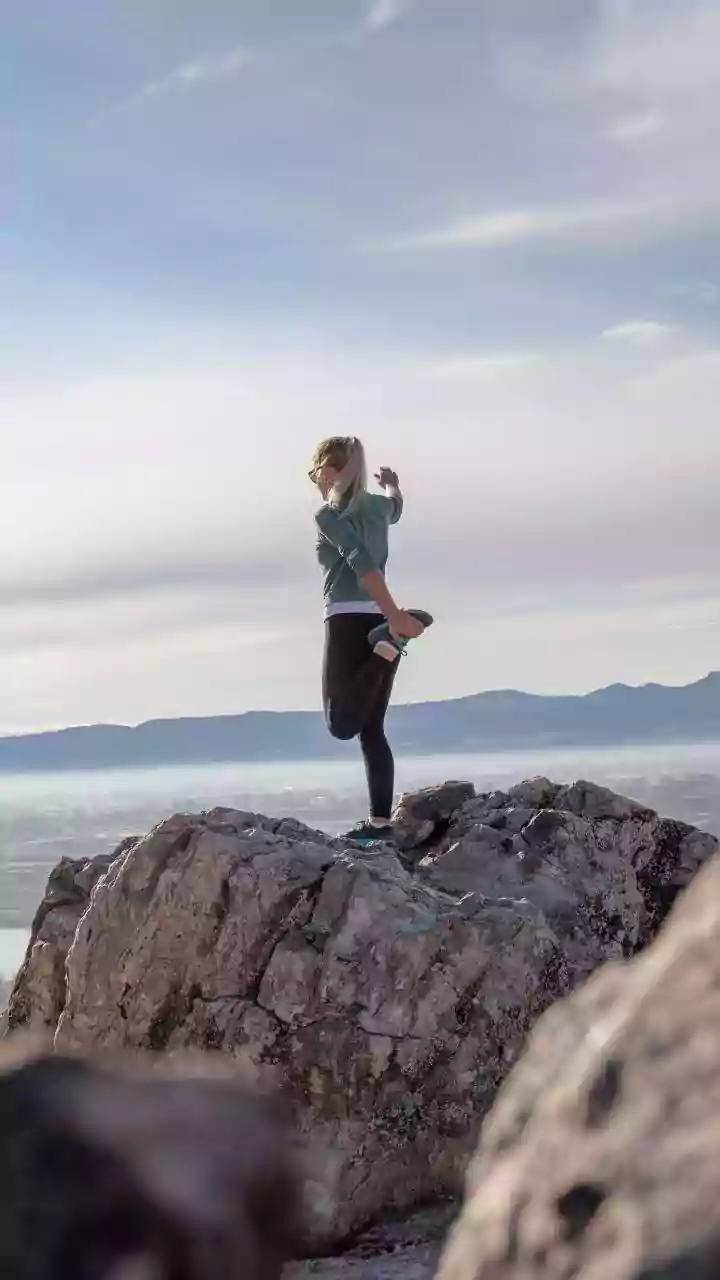
Both activities are excellent low-impact workouts, meaning they are gentle on the joints. Kayaking provides a robust upper-body and core workout. Each paddle stroke engages the back, shoulders, arms, and chest, while your core muscles work continuously to maintain stability. Your legs also play a role in bracing and controlling the boat. A leisurely paddle can burn between 250 and 350 calories per hour. Tai Chi, while less intense aerobically, builds strength in a different way. The slow, controlled movements and semi-squat stances strengthen the lower body, including the legs and glutes, along with core muscles. It is particularly effective at improving balance, coordination, and flexibility. Research shows it significantly reduces the risk of falls in older adults.
Mind and Meditation: Focus and Flow
Here, the two activities share surprising similarities but achieve them differently. Tai Chi is inherently a mindful practice. Practitioners focus intently on their breath and the precise execution of movements, which calms the nervous system, reduces stress, and improves mental focus. Studies have shown it can lower anxiety, improve mood, and even slow cognitive decline. Kayaking offers a more organic form of mindfulness. The rhythmic nature of paddling, combined with the focus required to navigate, naturally pulls you into the present moment. Being surrounded by 'blue space'—open water and sky—has been shown to reduce stress and boost well-being. It's a mental break from daily pressures, releasing mood-boosting endorphins through physical activity and connection with nature.
Accessibility, Cost, and Social Scene
Tai Chi is one of the most accessible exercises available. It requires no special equipment, and once you learn a basic form, you can practice it for free in a park or at home. Classes are relatively inexpensive, often available at community centres, with some monthly plans costing between $60 and $150. It can be a social activity done in a group or a completely solitary practice. Kayaking has a higher barrier to entry. You need access to a body of water and equipment. Renting a kayak can cost $30-$50 for a few hours. Buying your own gear can be a significant investment; a beginner setup with a kayak, paddle, and safety equipment can cost anywhere from a few hundred to over a thousand dollars. However, ongoing costs are minimal. Kayaking can be a solitary pursuit or a highly social activity with friends, family, or paddling clubs.
Which Gentle Exercise Is Right for You?
Choosing between Tai Chi and kayaking depends on your personal goals and circumstances. Choose Tai Chi if you want a low-cost, highly accessible exercise that you can do anywhere. It's ideal if your primary goals are to dramatically improve balance, flexibility, and mental calm through a structured, meditative practice. It's particularly beneficial for those with joint pain or a fear of falling. Choose kayaking if you crave outdoor adventure and a connection with nature. It's the better choice if you're looking for a more vigorous cardiovascular and upper-body workout. If you enjoy exploration and don't mind the initial investment in gear and travel to a waterway, the mental and physical rewards of paddling are immense.