




Understanding Collagen Matcha
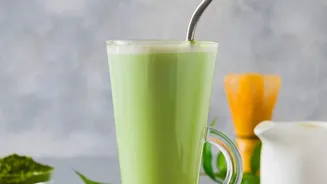
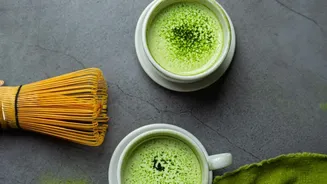
Before we dive into the restrictions, let's break down the basics. Collagen matcha is a powdered drink mix that combines two key ingredients: matcha and collagen peptides. Matcha is a finely ground powder of specially grown and processed green tea leaves,
known for its high antioxidant content and a compound called L-theanine, which provides a calm, sustained energy boost without the jitters of coffee. Collagen is the most abundant protein in our bodies, acting as the primary building block for skin, bones, hair, and joints. Supplements typically contain hydrolyzed collagen peptides—smaller, more easily absorbed protein fragments—to support skin elasticity and joint health. Together, they create a powerhouse drink celebrated for its dual benefits for beauty and focus.
The Challenge for Vegetarians and Vegans
Herein lies the primary issue for plant-based consumers: collagen is an animal-derived protein. The most common sources for collagen supplements are bovine (from cows), marine (from fish), porcine (from pigs), and chicken. This immediately makes standard collagen matcha unsuitable for both vegetarians and vegans. There is currently no such thing as a natural collagen source from plants. While you might see products labelled as “vegan collagen,” these are typically “collagen boosters.” They contain ingredients like Vitamin C, zinc, and specific amino acids that help your body produce its own collagen, rather than providing collagen itself. So, if you follow a strict vegetarian or vegan diet, you'll need to scrutinise labels carefully and opt for these plant-based booster alternatives instead.
Navigating Religious Dietary Laws
In a country as culturally diverse as India, religious dietary practices play a significant role in food choices. Since most collagen is sourced from animals, this can create conflicts. For many Hindus who revere cows, bovine collagen is not a suitable option. Similarly, collagen derived from pigs (porcine) is not permissible for Muslims following a halal diet. This means that without clear labelling, it can be difficult to know if a collagen product aligns with your religious beliefs. While marine collagen (from fish) is often a suitable alternative for pescetarians and can be halal, the source must be explicitly stated on the packaging. This makes it crucial for consumers to check where the collagen in their matcha blend comes from.
The Risk of Allergies and Sensitivities
Another important consideration is the potential for allergic reactions. Marine collagen, which is sourced from fish skin, scales, and bones, is a popular choice for supplements. However, for individuals with a fish or shellfish allergy, this can be a serious problem. Even after processing, trace amounts of fish proteins can remain in the collagen powder, which may be enough to trigger an allergic reaction. Symptoms can range from mild itching, hives, and digestive upset to severe reactions like facial swelling or difficulty breathing in highly sensitive individuals. If you have a known seafood allergy, it is essential to avoid marine collagen or consult with a doctor before trying any new supplement.
Making an Informed Choice
So, how do you enjoy the benefits of these ingredients if you have dietary restrictions? The key is to be a discerning consumer. Always read the ingredient list and the source of collagen. If you are vegetarian or vegan, look for products specifically marketed as “plant-based collagen builders” or “vegan collagen boosters” that contain nutrients like vitamin C, zinc, proline, and glycine. These help your body synthesise its own collagen naturally. Alternatively, you can focus on consuming a diet rich in these collagen-boosting nutrients through foods like citrus fruits, amla, leafy greens, beans, and seeds. For those with allergies or religious concerns, look for brands that are transparent about their sourcing, clearly stating whether the collagen is bovine, marine, or from another animal, and look for relevant certifications.