


Breakfast's Beloved Duo
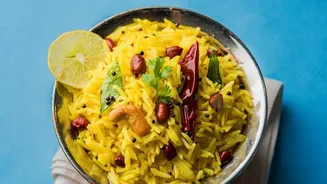
In millions of Indian kitchens, the day starts with either a warm, fluffy plate of poha or a soft, savoury bowl of upma. Kanda poha, made from rehydrated flattened rice tossed with onions and spices, is cherished for its light, distinct flakes. Semolina
upma, on the other hand, is a comforting, porridge-like dish made from roasted sooji (rava), known for its soft and cohesive texture. Both are delicious, quick, and deeply ingrained in our culinary culture, yet they represent two very different textural experiences. While one is about separate, tender grains, the other is about a unified, creamy whole. But an intriguing kitchen experiment brings these two worlds together, creating a dish that borrows the 'upma' name but completely overhauls its signature feel.
The Semolina Standard: Soft and Creamy
The classic upma texture is born from semolina, a coarse flour made from durum wheat. When you roast sooji and then cook it with hot water, the starches gelatinize and swell, absorbing the liquid to become a soft, almost homogenous mass. Depending on the ratio of water to sooji and the size of the grain, the final result can range from a thick, spoonable porridge to a slightly firmer, cake-like consistency. Many people find this dense texture incredibly filling and satisfying. The individual grains of semolina merge, creating a smooth mouthfeel that carries the flavour of the tempering and vegetables uniformly. This classic upma is loved for its comforting softness, but it can sometimes become sticky or lumpy if not prepared correctly.
Enter Flattened Rice: A Different Grain Game
Poha, or flattened rice, has a completely different starting point. It's made by parboiling rice, then flattening and drying it. This process pre-cooks the grain, which is why it only needs a brief soak or rinse to become soft and edible. Unlike semolina, which is designed to break down and absorb water to form a mass, poha flakes are meant to hydrate while remaining individual. The key to a good plate of traditional poha is ensuring the flakes are tender but not mushy, each one a separate entity. This structural integrity is what sets it apart and makes it the foundation for a textural revolution in the world of upma.
The Roasting Revelation
The real magic in this upma twist comes from one simple step: dry roasting the poha before using it. Just as roasting semolina is crucial for a good upma, roasting poha flakes in a pan transforms their properties. The process makes the thin, delicate flakes crisp and more robust. This toasting process drives out any residual moisture and fortifies the structure of each individual flake. As a result, when they are eventually introduced to the moisture from the onions, tomatoes, and a light sprinkle of water, they soften without collapsing. They resist turning into a paste, which is often the risk with over-soaked, un-roasted poha. This roasting step is the secret to achieving a fluffy, non-sticky Poha Upma.
Poha Upma: A New Textural Experience
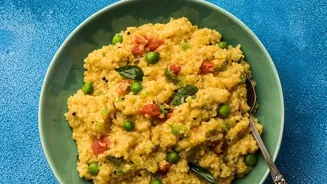
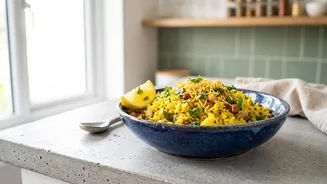
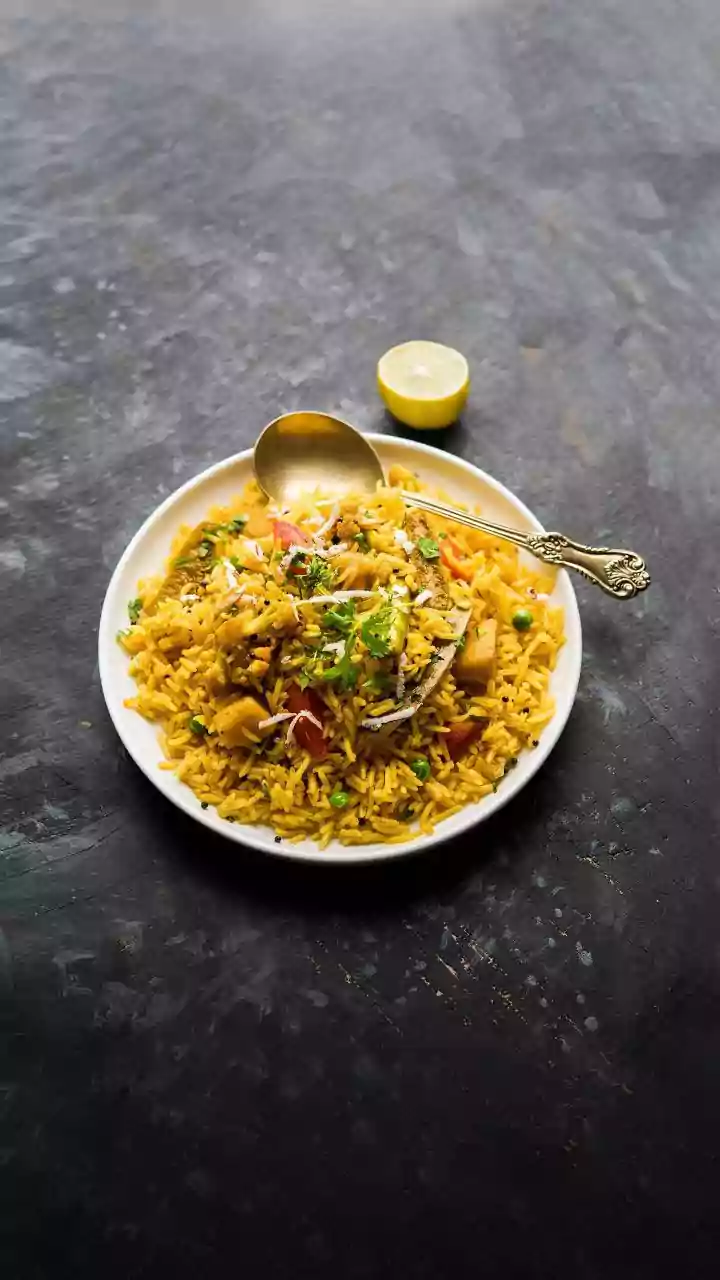
When you make an upma-style dish with roasted poha, the end result is texturally distinct from its semolina counterpart. Instead of a creamy, porridge-like consistency, you get a plate of fluffy, separate grains that are soft and light. Each spoonful offers the delightful feel of individual flakes, not a single cohesive mass. It feels less dense and lighter on the palate. The flavours of the tempering—the mustard seeds, curry leaves, and green chillies—cling to each distinct flake. It's a dish that has the familiar savoury taste of upma but with the light, non-sticky texture that is the hallmark of a perfect poha. It's the best of both worlds for those who love the flavour profile of upma but prefer a fluffier texture.