



A Kaleidoscope of Regional Flavours
One of the most compelling aspects of Indian street food is its sheer diversity, which mirrors the country's vast cultural and geographical tapestry. Each region, state, and even city boasts its own unique specialities, shaped by local ingredients, climate,
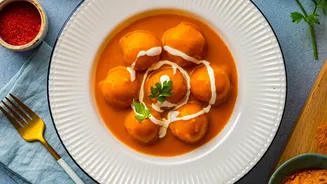
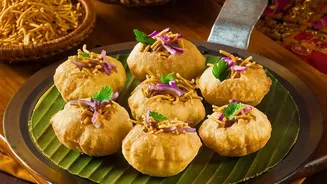
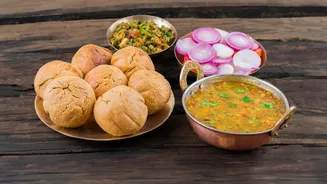
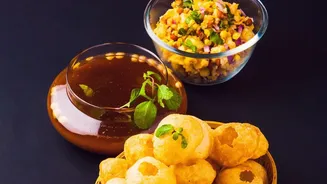
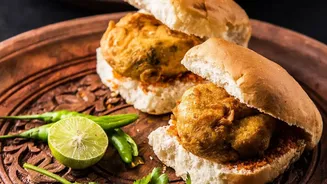
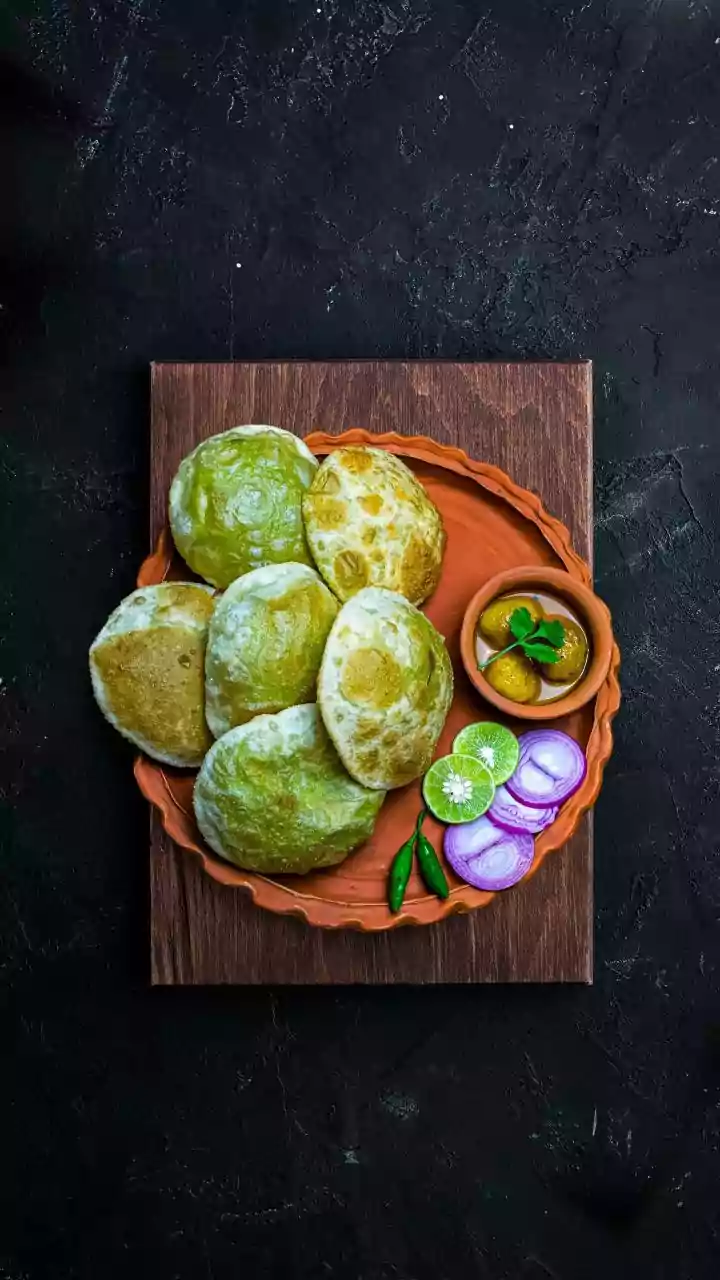
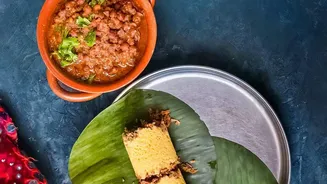
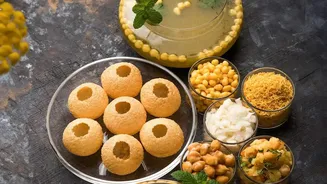
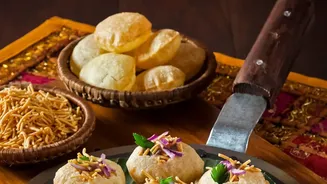
and history. In the north, you'll find the rich and savoury world of chaat and chole bhature. Head west to Mumbai, and the city’s pulse beats in the humble yet iconic vada pav, a spicy potato fritter in a soft bun, with millions sold daily. The south offers crispy dosas and fluffy idlis, while the east tempts with tangy phuchka and savoury kathi rolls. This regional variation means that a culinary journey across India is a never-ending exploration, with distinct flavours and preparations that tell the story of their origin.
The Great Social Equaliser
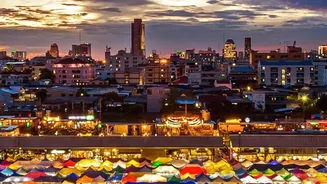
Street food stalls in India are more than just places to eat; they are vibrant social hubs that dissolve economic and social barriers. Here, a CEO in a business suit might stand shoulder-to-shoulder with a daily wage labourer, both enjoying the same plate of food. This democratic nature of street food makes it a powerful unifying force in a country of immense diversity. These bustling corners become impromptu community centres where friends catch up, colleagues grab a quick lunch, and strangers bond over a shared appreciation for a well-made snack. It’s a culture of inclusiveness, where the simple joy of good food brings people from all walks of life together in a relaxed, communal setting.
Economic Engine and Livelihood
Beyond its cultural significance, the street food industry is a massive, albeit largely informal, economic engine. It provides a livelihood for millions of vendors across the country, many of whom are micro-entrepreneurs. For many families, a food cart is their primary source of income, representing a vital form of employment in a nation with a competitive job market. These vendors are often custodians of treasured family recipes passed down through generations, preserving culinary heritage while supporting their local economies. From the farmers who supply fresh produce to the small businesses that provide other raw materials, the ripple effect of this industry is immense, making it a cornerstone of community-level economic activity.
A Hotbed of Culinary Innovation
While deeply rooted in tradition, Indian street food is also remarkably dynamic and innovative. Vendors are constantly adapting to changing tastes, creating fusion dishes that blend classic flavours with new ideas. You might find modern twists like Nutella parathas, tandoori momos, or cheese burst dosas alongside timeless classics. This willingness to experiment keeps the scene fresh and exciting, particularly for younger generations. Furthermore, the adoption of digital payments and partnerships with food delivery apps has allowed even the smallest vendors to reach a wider audience, bridging the gap between traditional street-side stalls and the digital age. This blend of heritage and hustle ensures that Indian street food culture is not just surviving but thriving.
An Unforgettable Sensory Experience
Ultimately, what makes Indian street food stand out globally is the complete sensory experience it offers. It’s not just about taste; it’s about watching your food being prepared with skill and passion, the sound of sizzling pans, the vibrant colours of chutneys and spices, and the intoxicating aromas that fill the air. The magic lies in the perfect balance of flavours—sweet, sour, spicy, and tangy—often in a single bite. This explosion of flavour, combined with the energy of the bustling street, creates a memorable and deeply authentic experience that is hard to replicate. It’s a culture that is unapologetically bold, flavourful, and full of life, making it a true celebration of food in its most honest form.