






The End of a Shopping Era
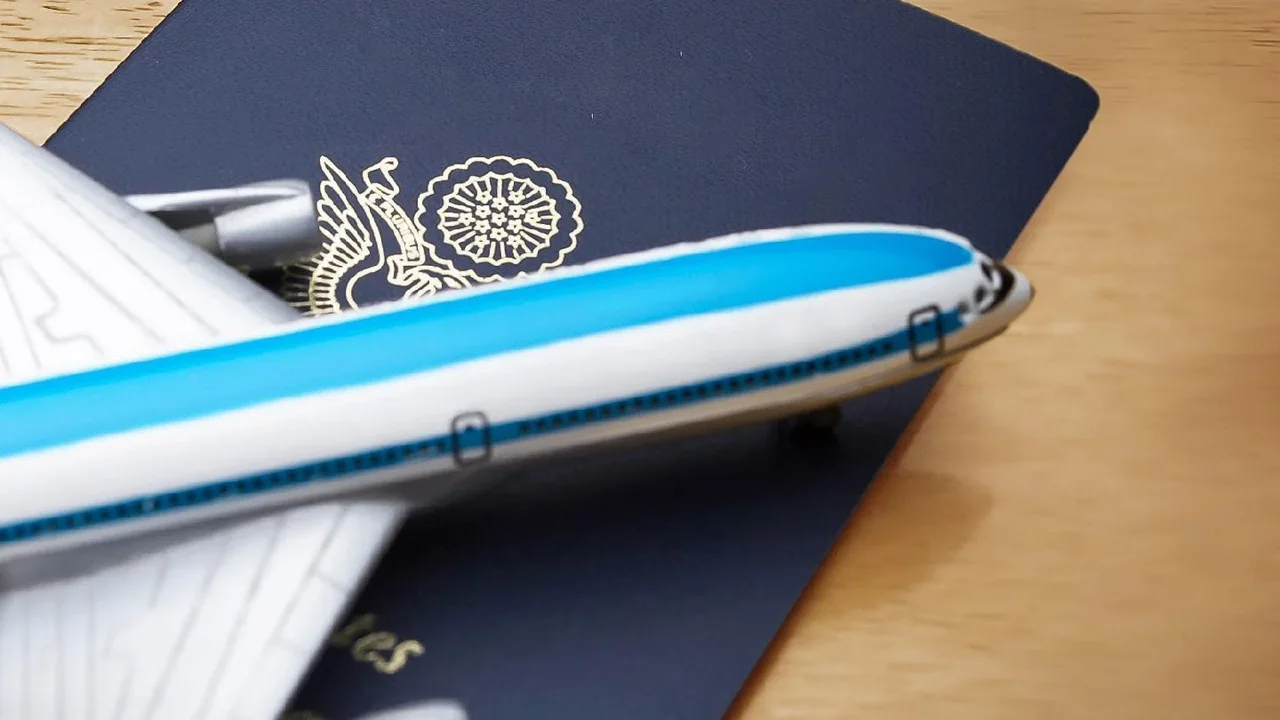
Japan has long been a shopper’s paradise, partly thanks to its straightforward tax-exemption system for tourists. Visitors on short-term stays could get an instant 10% discount on consumption tax for purchases over ¥5,000 at licensed stores simply by
showing their passport. This meant paying less at the register and walking away with your goods. However, this familiar and convenient process is officially ending. The last day to take advantage of the instant tax-free discount is October 31, 2026. After that date, the way tourists save money on everything from electronics to cosmetics will be fundamentally different.
Why Japan is Changing the Rules
The switch isn't arbitrary. The Japanese government is implementing this new system to curb abuse. Under the current rules, there have been widespread instances of individuals purchasing large quantities of tax-free goods and illegally reselling them for a profit within Japan, without ever taking them out of the country as required. By shifting to a refund model that requires proof of export at the airport, authorities aim to close this loophole and ensure the tax benefit is used as intended—by genuine tourists taking goods home. This move brings Japan's system more in line with international standards seen in Europe and Australia.
The New 'Pay First, Refund Later' System
Starting November 1, 2026, Japan will adopt a “pay first, refund later” model. This means you will pay the full price at the store, including the 10% consumption tax, just like a local resident. To get your money back, you must meticulously keep all your receipts. Before you fly home, you will need to present these receipts at a designated tax refund counter or electronic kiosk at the airport to process your claim. The refund will be issued there, after customs officials have confirmed the items are being exported. The major change for travellers is one of cash flow—you’ll need to budget for the upfront tax cost—and time management, as this extra step will require arriving at the airport earlier.
The Silver Lining: Simpler Rules
While the new process involves more steps, it also comes with some welcome simplifications. The old system had different rules for “general goods” (like clothes and electronics) and “consumables” (like food and cosmetics). From November, this distinction will be abolished. All eligible purchases over ¥5,000 minimum at one store will count towards a single total. Furthermore, the requirement to have consumable items placed in special sealed bags, which could not be opened before leaving Japan, will be discontinued. This gives you more freedom with your purchases during your trip, although you are still technically required to take the goods out of the country unused to be eligible for the refund.
Checklist: Travelling Before November 1
If your trip to Japan is scheduled before the end of October 2026, you are in luck. You can still use the old, convenient system. To make the most of it, always carry your physical passport when you go shopping—a photo on your phone will not be accepted. Look for the “Japan Tax-Free Shop” logo at department stores, electronic shops, and drugstores. At the checkout, present your passport to either receive an instant discount or get an immediate cash refund at a dedicated counter within the same store. It’s the simplest way to enjoy your 10% savings.
Checklist: Travelling From November 1 Onwards
For those travelling from November 1, 2026, onwards, preparation is key. First, budget for the fact that you will be paying the full 10% tax on your purchases upfront. Second, be extremely organised. Keep every single receipt from your tax-free eligible purchases in a safe place. A dedicated envelope or folder is a good idea. Finally, plan for extra time at the airport before your departure flight. The new refund process is an additional step before you check in and go through security, and you can expect queues, especially during peak travel seasons.
A Broader View: Other Tourist Tax Hikes
The change to tax-free shopping is part of a wider trend of increasing costs for tourists in Japan. As of July 1, 2026, the country’s International Tourist Tax—also known as the “Sayonara Tax”—tripled from ¥1,000 to ¥3,000 per person. This fee is automatically included in your flight ticket price. Additionally, many popular cities like Kyoto, Osaka, and Tokyo have introduced or increased local accommodation taxes, which are charged per person, per night. When planning your budget, it's important to account for all these new and increased levies to get an accurate picture of your total trip cost.