






India's Triple Health Challenge
The latest report paints a complicated picture of India's nutritional status, often described as the 'triple burden of malnutrition'. This means the country is simultaneously dealing with undernutrition (like stunting in children), micronutrient deficiencies
(hidden hunger), and a rise in overnutrition (obesity and related diseases). According to the most recent National Family Health Survey (NFHS-5) data, around 35% of children under five are stunted, while nearly 67% are anaemic. At the same time, lifestyle-related conditions such as diabetes and obesity are affecting a growing number of adults. This paradox, where some people don't get enough calories while others consume calorie-dense but nutrient-poor diets, points to a single underlying issue: a widespread lack of dietary quality and variety.
Why Food Variety Is the Answer
For decades, India's food security policies focused on ensuring access to staple grains like rice and wheat. While essential for fighting starvation, this has led to diets that are often heavy in carbohydrates but lacking in essential vitamins and minerals. This is the root of 'hidden hunger', a condition where a person can be consuming enough calories but still be malnourished. More than half of Indian women are anaemic, largely due to iron deficiency. Deficiencies in Vitamin D, B12, and folate are also widespread. A diverse diet, rich in different food groups, is the most effective way to combat this. No single food can provide all the nutrients our bodies need, making variety a fundamental principle of good nutrition.
Rethinking the Indian Thali
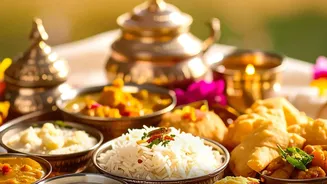
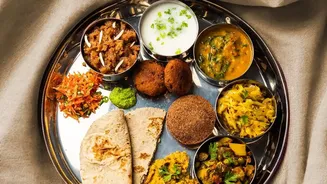
The good news is that the solution is already embedded in India's rich culinary traditions. The concept of a 'thali' is, by its nature, a celebration of diversity on a plate. The key is to ensure it is balanced. The Indian Council of Medical Research (ICMR) dietary guidelines suggest a 'My Plate for the Day' should include a minimum of eight food groups. This doesn't require a radical overhaul of your eating habits. Instead, it’s about making conscious additions. Think of adding a colourful vegetable sabzi, a portion of dal or legumes, a small bowl of curd, and a seasonal fruit to your main meals. This simple act of balancing your plate ensures you're getting a wider spectrum of proteins, fibres, vitamins, and minerals.
Simple Swaps for a Diverse Diet
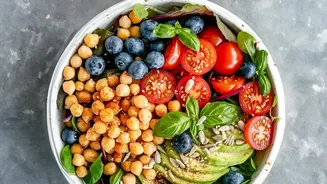
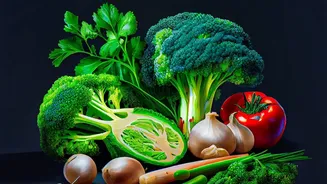
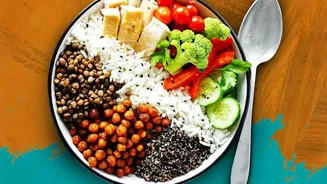
Incorporating variety can be easy and affordable. One of the best first steps is to reintroduce traditional millets like jowar, bajra, and ragi into your diet, perhaps by swapping a wheat roti for a millet bhakri a few times a week. These grains are not only climate-resilient but also packed with fibre and micronutrients. Aim to 'eat the rainbow' by incorporating a variety of colourful, seasonal vegetables and fruits, which are often cheaper and more nutrient-dense. Instead of relying on one type of lentil, explore the vast world of Indian dals—from masoor and mung to chana and urad. Each offers a unique nutritional profile. Finally, adding a handful of nuts and seeds as a snack can provide healthy fats, protein, and essential minerals.
Beyond the Plate
While individual choices are powerful, achieving national nutrition security is a systemic challenge. Issues like food affordability, agricultural policies that favour staple crops, and access to fresh produce in rural and urban areas all play a significant role. Over 75% of Indians cannot afford a diet that meets the recommended diversity and nutrient adequacy. Public initiatives that promote nutri-cereals, support Farmer Producer Organisations (FPOs) to grow diverse crops, and strengthen local value chains are crucial. As consumers, our choices can also drive demand, encouraging a food system that prioritizes nourishment over mere abundance. By consciously choosing variety, we not only improve our own health but also contribute to a more resilient and healthier India.