
What is an Evening Elongation?
In simple terms, an 'elongation' is the best time to see Venus or Mercury. Because these planets orbit closer to the Sun than Earth does, they never appear far from the Sun’s glare in our sky. They are always seen just before sunrise or just after sunset.
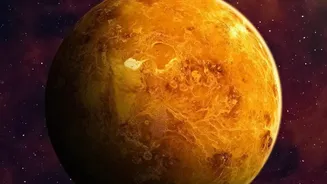
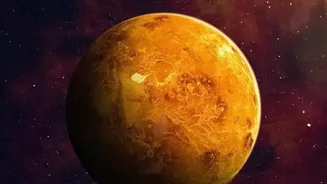
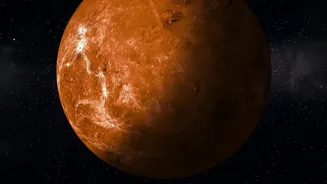
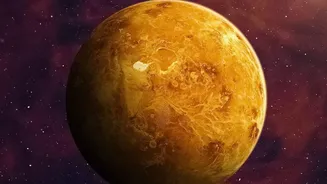
On August 15, 2026, Venus reaches its 'greatest eastern elongation'. This means it will be at its widest possible angle—about 46 degrees—from the Sun as viewed from Earth. This separation allows it to linger in the darkening sky well after the Sun has disappeared, making it shine brilliantly as the 'Evening Star'.
How to See Venus: No Telescope Needed
This is the best part: you don't need any special equipment. Venus is the brightest planet we can see, and during this event, it will shine at a dazzling magnitude of -4.4, making it brighter than any star. To see it, simply find a clear view of the western horizon around sunset. As the sky begins to darken, look for the first and brightest 'star' to appear. That will be Venus. For viewers in India, the planet will be visible in the western sky for hours after sunset, making it an unmissable sight throughout the evening.
When and Where to Look in India
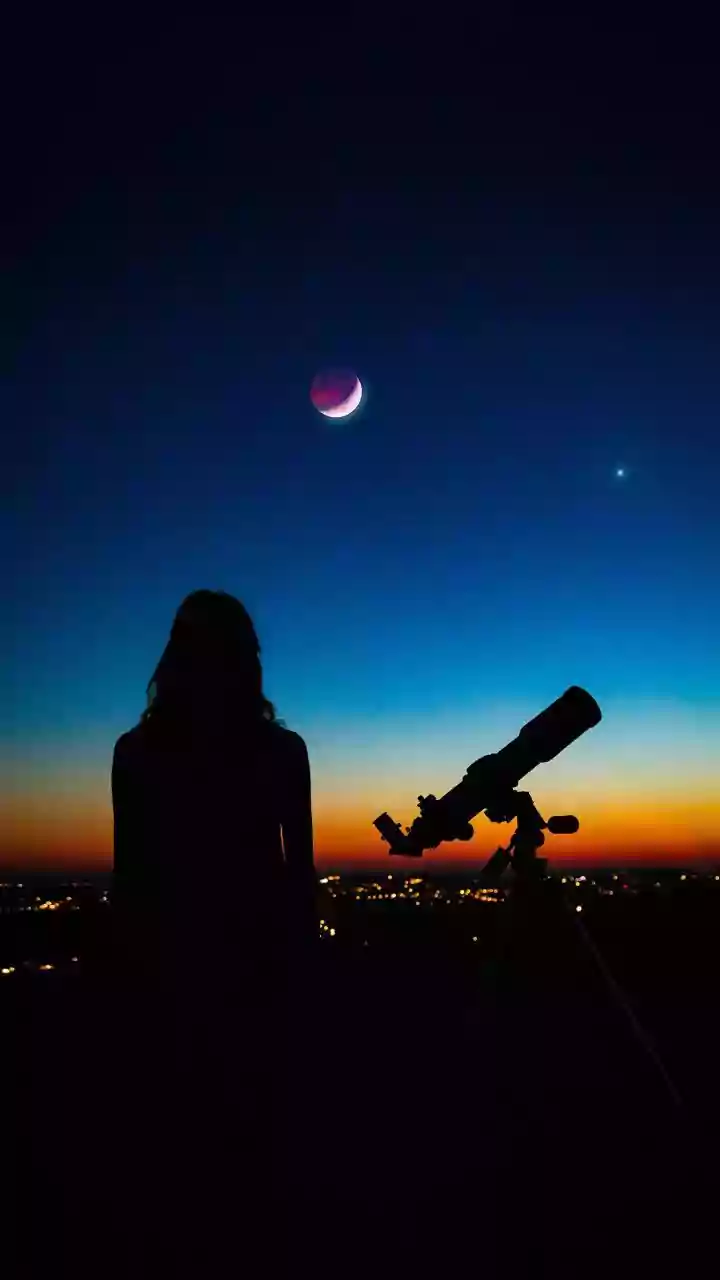
The peak of the elongation occurs on August 15, but Venus will be a spectacular evening sight for several weeks before and after this date. Starting from sunset, which will be around 7:00 PM across most of India, Venus will become increasingly prominent as twilight fades. It will hang in the western sky like a brilliant lantern before eventually setting. On the evening of August 15 itself, you can also spot a thin crescent Moon nearby, making for an especially picturesque pairing in the sky. Any location with an unobstructed view to the west, away from the direct glare of city lights, will provide a perfect vantage point.
Make it a Planet-Spotting Night
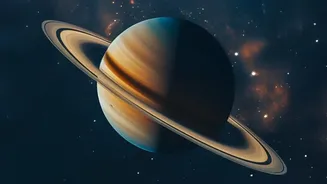
While Venus is the main attraction, it’s not the only planet gracing our skies in August. If you are an early riser, the days around August 12 feature a 'planet parade' in the pre-dawn sky, where Mars and Saturn will be easily visible. Reddish Mars and yellowish Saturn can be spotted in the east before sunrise. Though part of a larger six-planet alignment, some planets like Jupiter and Mercury will be very low on the horizon and difficult to spot without ideal conditions. However, for a simple and rewarding experience, focusing on brilliant Venus in the evening and the duo of Mars and Saturn in the morning offers a wonderful tour of our celestial neighbourhood.
A Moment of Celestial Wonder
Astronomical events can sometimes feel intimidating, requiring expensive gear or expert knowledge. This is not one of them. The beauty of Venus's evening appearance is its accessibility. It's an opportunity for anyone, from families with young children to busy professionals, to step outside for a few minutes and connect with the cosmos. Watching the brilliant glow of another world hanging in our twilight sky is a simple, profound experience. It’s a reminder of the vast and beautiful universe we are a part of, and it’s waiting for you just outside your door after sunset.