

A New Chapter in Lunar Discovery
NASA and IBM have joined forces to launch the NASA-IBM Lunar Foundation Model, a groundbreaking artificial intelligence tool designed to accelerate our understanding of the Moon. This isn't just another piece of software; it's one of the first open-source
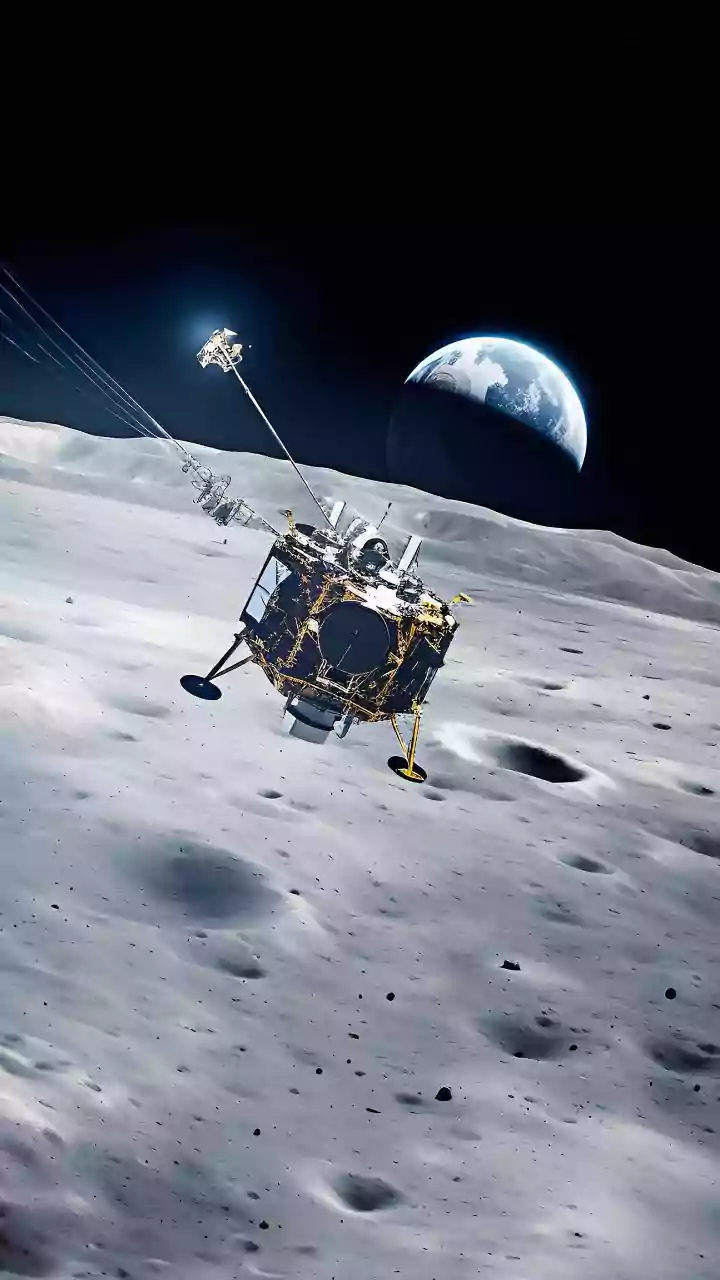
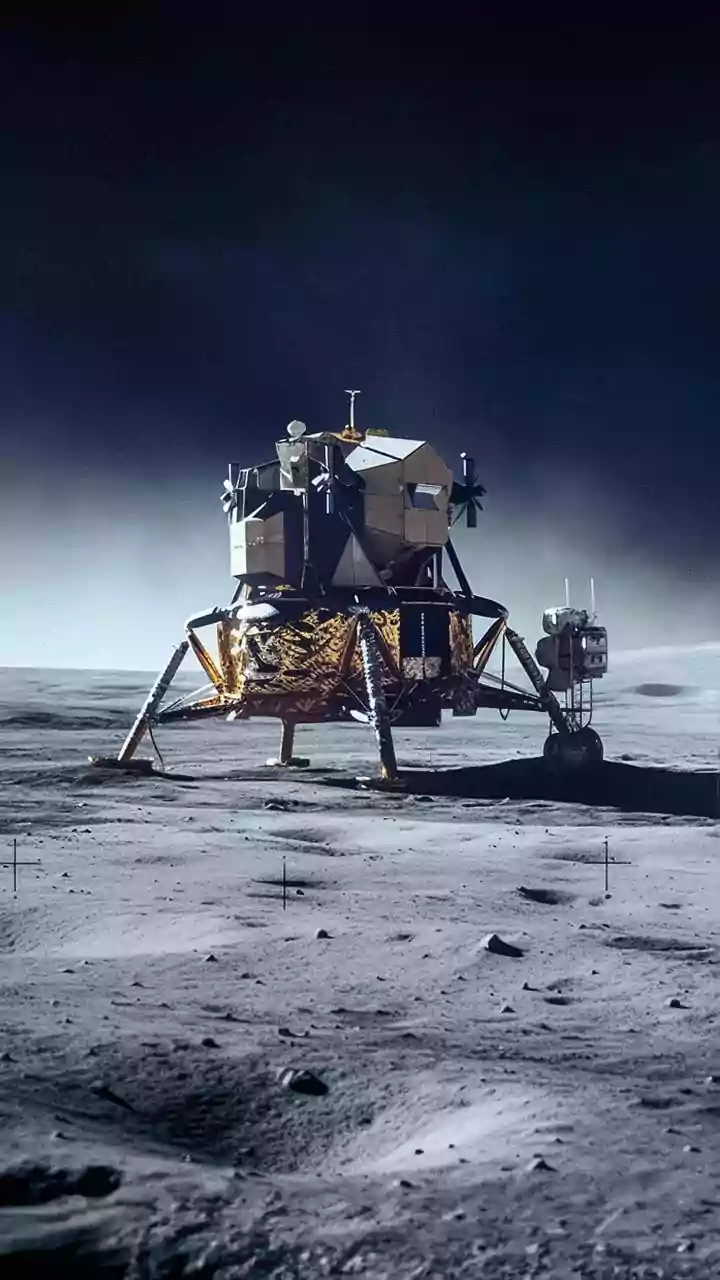
AI models built specifically to analyse the petabytes of data NASA has collected over decades of lunar observation. For years, scientists have manually sifted through images and data or used specialised, narrow AI to study the Moon. This new model promises to change that by providing a powerful, versatile tool that can turn a flood of information into actionable new discoveries, supporting NASA’s ambitious Artemis program and the goal of establishing a sustained human presence on the Moon.
What is a Foundation Model?
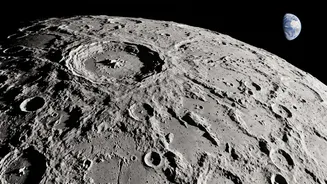
Unlike traditional AI, which is trained for one specific task, a foundation model is pre-trained on a vast, unlabelled dataset, giving it a broad base of knowledge. Think of it less like a specialised calculator and more like a clever research assistant. This broad training allows it to be quickly adapted—or 'fine-tuned'—for a wide range of scientific tasks without starting from scratch. This particular model was trained on millions of image tiles from missions like NASA's Lunar Reconnaissance Orbiter (LRO), which has compiled a stunningly detailed map of the Moon's surface. The collaboration between NASA and IBM is part of a larger strategy to use AI for science, with previous models already released for studying Earth and the Sun.
From Data Overload to Actionable Insight
The sheer volume of data from lunar missions is both a blessing and a curse. The LRO mission alone has generated more data than all of NASA's other planetary missions combined. The new AI model is designed to tackle this data challenge head-on. By processing and harmonising information from different instruments and missions, it can spot patterns and relationships that are difficult for humans to see. Early applications have already shown its power. The model can help scientists map craters with greater efficiency, identify unusual volcanic features that challenge our understanding of the Moon's history, and even pinpoint new impact craters, like one recently formed by a SpaceX rocket body.
The Search for Lunar Resources
One of the most critical tasks for future lunar settlement is finding resources, especially water ice. Ice, believed to be hidden in permanently shadowed craters near the lunar poles, could be a source of drinking water, breathable oxygen, and even rocket fuel. The AI model is a powerful ally in this search. It can analyse multiple data layers—from temperature readings to surface imagery—to model the likelihood of ice deposits. NASA and IBM report that the model has already demonstrated a significant improvement in identifying areas with high potential for lunar ice compared to previous methods, helping scientists decide where to send future rovers and astronauts.
The Power of Open Science
Perhaps the most significant aspect of this launch is that the model is open-source, available to the global scientific community via the platform Hugging Face. By making the tool publicly available, NASA and IBM are empowering researchers everywhere to build upon their work, compare results, and develop new applications. This collaborative approach aligns with NASA's principle of open science, ensuring that the journey back to the Moon is a global endeavour. It democratises access to cutting-edge AI, accelerating the pace of discovery and allowing a wider range of experts to contribute to the next era of space exploration.