




The Heart of the Matter: The Mother Plant
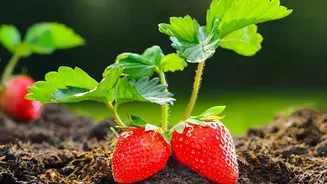
Before a single berry is picked, before the fields are even planted, the journey of a strawberry begins with a “mother plant.” In commercial cultivation, strawberries are not typically grown from seeds. Instead, they propagate through runners—long stems
sent out by a mature mother plant. These runners root themselves in the soil to create new, genetically identical “daughter” plants. The quality, yield, and health of an entire strawberry farm are therefore directly tied to the vitality of the original mother plant. A strong, disease-free mother produces strong, productive daughters. Conversely, if the mother plant carries a virus or is weak, it passes those flaws down to thousands of its clones, jeopardizing an entire season’s crop. This makes the selection and quality of mother plants the single most critical decision a strawberry farmer makes.
The Expensive Habit of Importing
For decades, India's burgeoning strawberry industry has been heavily dependent on the outside world. The vast majority of farmers, particularly in the main cultivation belt of Mahabaleshwar-Panchgani which produces about 85% of the country's strawberries, have relied on importing mother saplings. These plants make a long journey from nurseries in California, Spain, and Italy. This reliance creates several significant hurdles. Firstly, it is incredibly expensive, putting a huge financial strain on farmers before they have even planted a crop. Secondly, the logistics are complex; plants must arrive at the perfect time for planting. Finally, these foreign varieties are bred for different climates and may not always adapt well to India's diverse and often challenging growing conditions, making them more susceptible to local pests and diseases.
A New Generation of Indian Plants
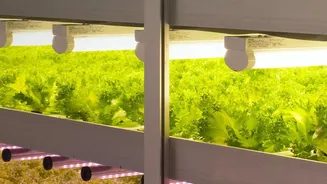
The ambition to become a strawberry superpower requires breaking this cycle of dependency. The solution lies in developing high-quality, disease-free mother plants right here in India. A multi-pronged effort is now underway to achieve this. Agricultural universities are partnering with research institutions like the Bhabha Atomic Research Centre to create new, climate-resilient Indian cultivars. Simultaneously, private nurseries and agritech companies are stepping up. Some are using advanced techniques like tissue culture to produce certifiably clean and robust mother plants domestically. Others are forming exclusive partnerships with international breeders to test and multiply superior global varieties on Indian soil, ensuring they are adapted to local conditions before being distributed to farmers. This shift promises to provide farmers with healthier, more affordable, and better-suited planting material.
The Fruits of Self-Reliance
Moving towards self-sufficiency in mother plants isn't just about saving money on imports; it's about fundamentally transforming the industry. Locally-adapted plants mean higher yields, better fruit quality, and greater resistance to the stresses of the Indian climate. For farmers, this translates to lower risk and higher profits. For consumers, it means a more consistent supply of high-quality strawberries, potentially for a longer season and at more stable prices. Furthermore, developing our own unique varieties opens up new opportunities for export, allowing India to compete on the global stage not just on volume, but on the unique taste and quality of its berries. This is the cornerstone of the superpower goal: building a resilient, profitable, and globally competitive strawberry ecosystem from the ground up.