





A Foundation Built on Plants
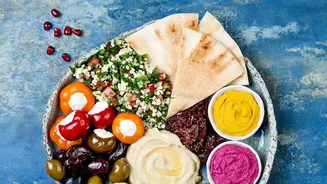
At the heart of the Mediterranean eating pattern is an abundance of plant-based foods. This isn't a side dish situation; vegetables, fruits, legumes, and nuts are the main event. A typical plate is often half-filled with vegetables like tomatoes, broccoli,
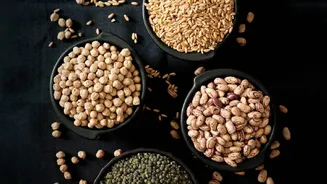
spinach, onions, and zucchini. Meals are built around these items, which are consumed daily and prized for being fresh, seasonal, and locally grown where possible. Fruits are the go-to dessert, with things like figs, melons, berries, and citrus replacing sugary sweets most of the time. Legumes such as lentils, chickpeas, and beans are also daily staples, providing protein and fibre.
The Golden Rule: Olive Oil
If there's one single ingredient synonymous with this diet, it's extra virgin olive oil. It serves as the principal source of added fat, replacing butter, margarine, and other oils in almost every context. It's used for sautéing vegetables, dressing salads, and even for dipping bread. This emphasis on a monounsaturated fat source is a key feature that researchers have linked to many of the diet's heart-healthy benefits. This isn't about using a tiny, measured amount; olive oil is used generously, contributing flavour and richness to meals.
Whole Grains for Sustained Energy
Whole grains form another essential part of the daily diet. This includes whole-wheat bread, brown rice, barley, and oats. Unlike refined grains that are stripped of their nutrients, whole grains provide fibre, B vitamins, and sustained energy. In the Mediterranean pattern, one to two servings of whole grains are typically included with main meals, whether it's a slice of hearty bread to accompany a vegetable stew or a base of quinoa for a salad. This focus on minimally processed grains contributes to a feeling of fullness and supports stable blood sugar levels.
Prioritizing Protein Sources
The Mediterranean approach to protein is strategic and hierarchical. Fish and seafood are the preferred animal proteins, eaten at least twice a week. Fatty fish rich in omega-3s, like salmon and sardines, are especially valued. Poultry, such as chicken and turkey, along with eggs and dairy products like cheese and yogurt, are consumed in moderate portions either daily or a few times a week. Red meat, on the other hand, is a much less frequent choice, often enjoyed only a few times per month rather than a few times a week. The protein focus remains largely plant- or sea-based.
More Than Just Food
It's important to remember that the Mediterranean 'diet' is more accurately a lifestyle. The traditional pyramid representing this eating pattern rests on a base of daily physical activity and, crucially, sharing meals with others. This social aspect is considered fundamental. Meals are an opportunity to connect with family and friends, which can contribute to overall well-being. Additionally, flavour is built with a heavy use of herbs and spices, which reduces the reliance on salt. While moderate wine consumption with meals is traditional in some Mediterranean cultures, it's not an essential component for reaping the diet's health benefits.