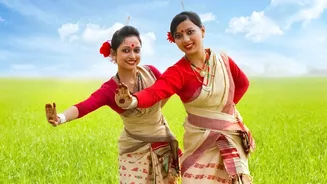



Often called the 'Festival of Festivals', the Hornbill Festival is Nagaland's vibrant, ten-day cultural spectacle. As one of India's most significant cultural events, it offers an unparalleled window into the soul of Naga heritage.
Confirmed 2026 Dates and Venue
The Hornbill Festival
is traditionally held every year from December 1 to December 10, and the 2026 edition is confirmed to follow this schedule. The festival begins on Nagaland Statehood Day, December 1st. The primary venue for this grand celebration is the Naga Heritage Village at Kisama, located about 12 kilometres from the state capital, Kohima. This purpose-built venue is designed to represent the cultural diversity of Nagaland's tribes, making it the epicentre of all major activities.
The 'Festival of Festivals': What It Represents
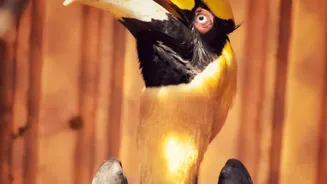
Initiated by the Government of Nagaland in 2000, the Hornbill Festival was created to encourage inter-tribal interaction and to preserve and promote the rich cultural tapestry of the state. It is named after the revered Hornbill bird, which features prominently in Naga folklore as a symbol of grandeur and alertness. The event successfully brings together all the major tribes of Nagaland, each showcasing their unique traditions, dances, music, and customs. This unification of cultural displays is why it has earned the moniker 'Festival of Festivals'.
A Feast for the Senses: What to Expect
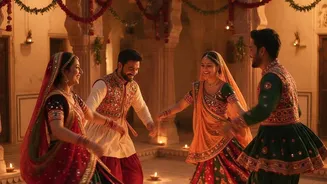
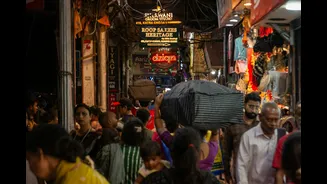
The festival is a kaleidoscope of activity from morning until night. Daily cultural performances in the main arena begin around 9:30 AM, featuring war dances, folk songs, and traditional music from various Naga tribes in their full ceremonial attire. A key feature of the Kisama village is the collection of morungs, which are traditional Naga youth dormitories. Each of Nagaland's 17 major tribes has a representative morung, offering visitors a chance to interact with the locals, witness live craft demonstrations, and see unique tribal artefacts. Food is a major draw, with stalls offering authentic Naga cuisine, from smoked pork with bamboo shoot to the fiery king chilli dishes and local rice beer known as 'zutho'. As dusk falls, the attention shifts to the Hornbill Music Festival, which features a rock contest and performances by local and national bands. Simultaneously, a vibrant Night Carnival takes over the streets of Kohima.
Beyond the Dance: Indigenous Games and Crafts
The Hornbill Festival is more than just song and dance; it's a living museum of Naga life. Visitors can witness a range of traditional sports and indigenous games that are both entertaining and culturally significant. These often include Naga wrestling, a unique form of belt wrestling, as well as archery competitions and gravity-defying pole climbing. For those interested in Naga craftsmanship, the festival is a treasure trove. You can shop for intricately woven shawls, handmade jewellery, bamboo crafts, and wooden sculptures directly from the artisans. Art exhibitions and photography competitions also feature prominently, showcasing contemporary Naga talent alongside ancient traditions.
Planning Your Trip: Travel and Accommodation
Given the festival's popularity, planning ahead is crucial. The nearest airport and major railway station are in Dimapur, which is about 70–80 kilometres from Kohima. From Dimapur, you can hire a private taxi or take a shared one to reach the capital, a journey that can take $3–$5 hours depending on road conditions and traffic. Accommodation in and around Kohima gets booked up months in advance. Options range from hotels in the city to homestays in nearby villages like Kigwema, which can help in avoiding the heavy traffic to the festival venue at Kisama. For a more rustic experience, several companies set up tented campsites near the venue. Remember that Indian citizens from outside Nagaland require an Inner Line Permit (ILP) to visit, which can be applied for online.