



From Village to Global Stage
For years, Humayunpur was a secret known mostly to those seeking a taste of home. Once farmland, the area transformed over decades, particularly since the 2010s, as students and young professionals from India's Northeastern states moved in, drawn by affordable
rent and a growing community network. This migration organically shaped the neighbourhood into what it is today: a vibrant, self-sufficient hub of culture and cuisine that feels distinct from the rest of Delhi. The Time Out ranking, which assesses neighbourhoods on food, culture, community spirit, and independent businesses, now places it alongside districts in Seoul, Lisbon, and Los Angeles.
A Culinary Hub for Northeast India
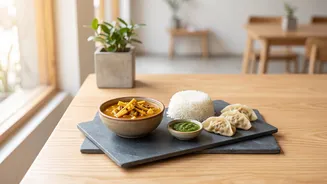
At the heart of Humayunpur’s appeal is its incredible food scene. The narrow lanes are home to over 50 kitchens, offering an authentic culinary tour of Northeast India that's hard to find elsewhere in the capital. You can find smoky Naga thalis featuring Raja Mircha chutney, hearty Mizo stews, and traditional Manipuri dishes. The air is often filled with the pungent, umami-rich aroma of 'axone' (fermented soybean), a testament to the area's unapologetic authenticity. This isn't food diluted for mainstream tastes; it's the real deal, served with pride.
Beyond Momos: A Pan-Asian Paradise
While Northeastern food is the soul of Humayunpur, its palate has expanded to embrace wider Asia. Korean restaurants serve up everything from bibimbap to tteokbokki, while Tibetan eateries offer steaming plates of momos and laphing. You can find Vietnamese kitchens, seafood boils, and grocery stores stocked with hard-to-find ingredients from across the continent. This culinary diversity makes exploring the neighbourhood a treasure hunt, with each turn revealing a new flavour, from a trendy matcha cafe to a shop selling the latest spicy Korean ramen.
More Than Just Food
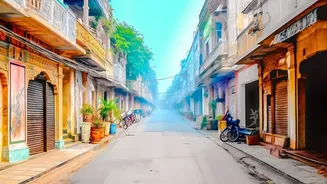
Humayunpur’s coolness extends beyond its restaurants. The neighbourhood has a distinct street style, with independent boutiques selling trendy apparel, skincare shops offering the latest Korean products, and tattoo parlours. It's a place where culture is lived and expressed openly. You'll find K-pop merchandise stores, karaoke venues, and photo booths tucked into its winding lanes. It’s this complete ecosystem of food, fashion, and community that makes it a destination. It’s not about visiting a single landmark; it’s about immersing yourself in the vibe of the streets.
The Price of Being Cool
This newfound international recognition comes with its own set of challenges. While the global spotlight is a validation of the community's unique culture, it also brings concerns. The very things that make Humayunpur special—its affordability, its organic growth, and its tight-knit community feel—are vulnerable. Increased popularity can lead to gentrification, rising rents, and the commercialization that can dilute authenticity. Residents and longtime visitors hope that as more people discover this gem, its essential character can be preserved. The question now is how Humayunpur will navigate its fame while holding onto the very soul that made it cool in the first place.