

A Global Celebration of the Cosmos
Declared by the United Nations in 1999, World Space Week is the largest annual space event on the planet. It's a global festival celebrating the contributions of space science and technology to humanity. The dates themselves are historic, commemorating
two pivotal moments: the launch of Sputnik 1, the first artificial satellite, on October 4, 1957, and the signing of the Outer Space Treaty on October 10, 1967. This treaty established the foundational principles for the peaceful exploration of space. Every year, events are held in over 95 nations, from schools and museums to space agencies and astronomy clubs, all aimed at educating the public, inspiring students, and fostering international cooperation in our shared cosmic journey.
Theme for 2026: The 'Rocket Revolution'
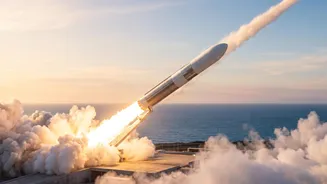
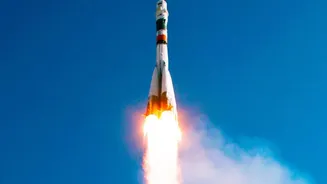
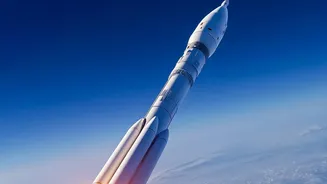
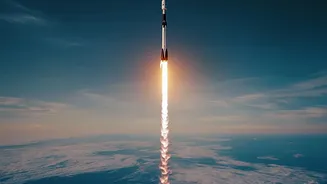
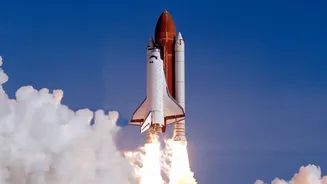
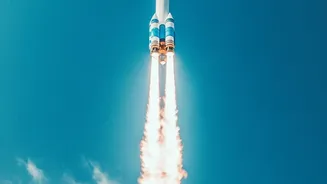
This year's official theme is 'Rocket Revolution', and it couldn't be more fitting. For decades, space access was the exclusive domain of a few government programmes with single-use, expensive rockets. That era is over. We are now in a dynamic new age defined by reusable boosters, a booming private commercial industry, and innovative launch systems that are dramatically lowering the cost and increasing the frequency of launches. This revolution isn't just about getting to orbit more easily; it's about fundamentally changing what we can do once we're there, opening up new possibilities for science, commerce, and exploration. The theme recognises that this new accessibility is stimulating a vibrant new space ecosystem.
India's Role in the New Space Age
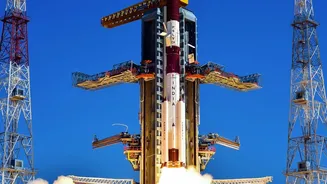
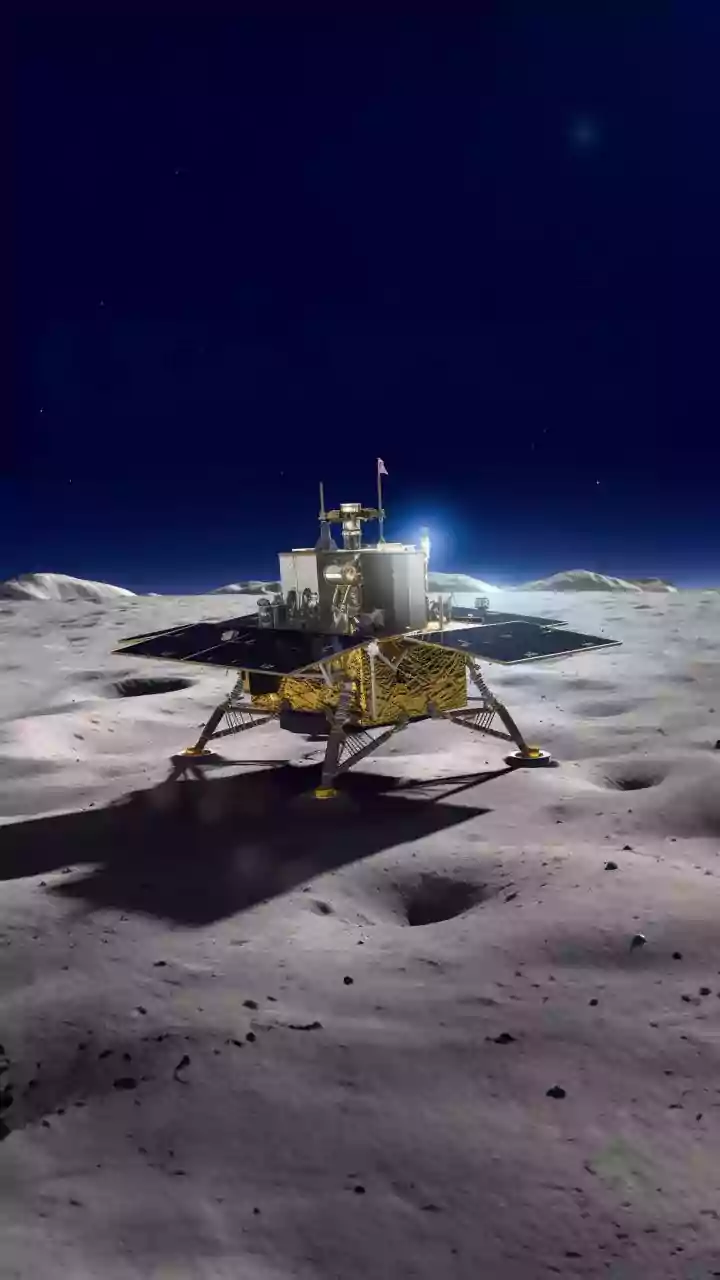
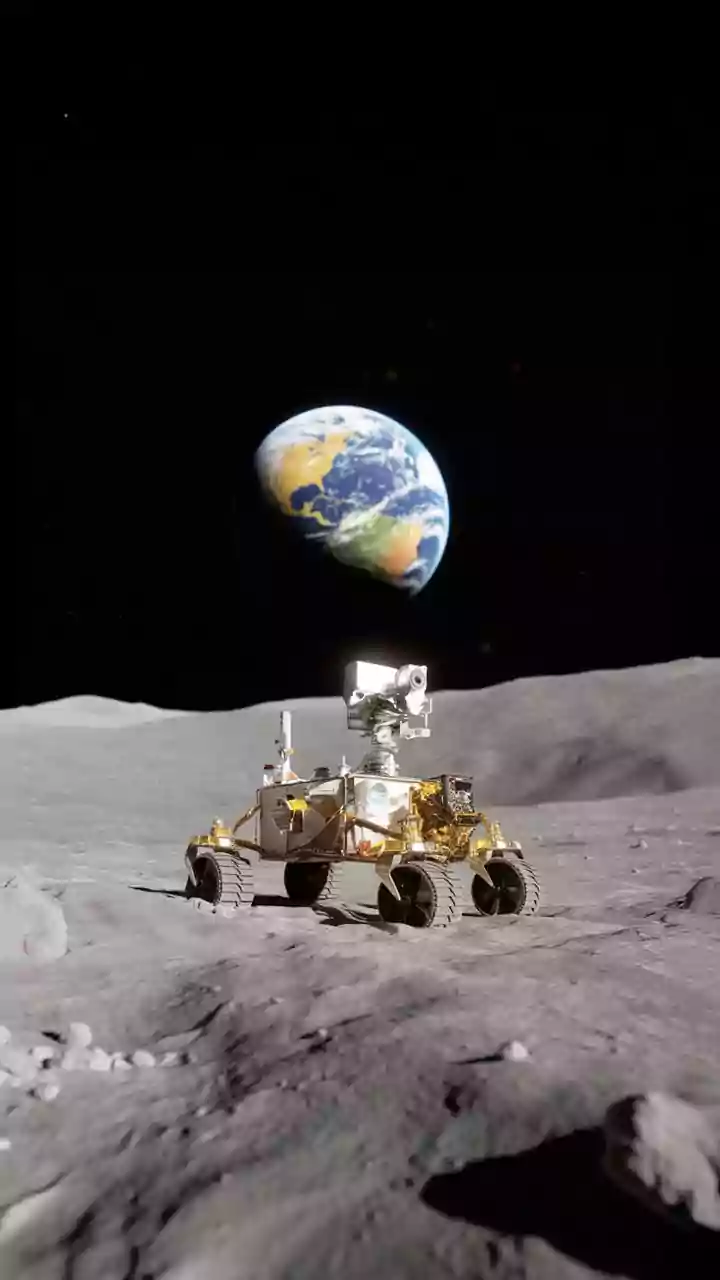
The 'Rocket Revolution' has particular relevance for India, which has firmly established itself as a major spacefaring nation. The Indian Space Research Organisation (ISRO) has become a global leader, renowned for its reliable and cost-effective launches. Following the historic success of Chandrayaan-3, which made India the first and only nation to land near the lunar south pole, the world is watching ISRO's next moves. With an eye on developing reusable launch technology and fostering a diverse launch ecosystem with private companies, India is perfectly positioned to be a key player in this new era. Events across India, often led by ISRO centres like the Satish Dhawan Space Centre, will aim to familiarize the public with the nation's proud space programme.
Looking Ahead: Gaganyaan and Beyond
World Space Week is as much about the future as it is about the present. For India, the horizon is filled with ambitious projects. The Gaganyaan programme, India's first human spaceflight mission, continues to be a top priority, with uncrewed test flights paving the way for sending Indian astronauts to orbit. Beyond that, ISRO's roadmap includes a rich manifest of missions. Plans are in motion for a Venus orbiter mission (Shukrayaan), a Mars lander, and a joint lunar polar exploration mission (LUPEX) with Japan. Collaborative projects like the NASA-ISRO Synthetic Aperture Radar (NISAR) satellite, set to be the world's most expensive Earth-imaging satellite, highlight India's importance as an international partner.
Inspiring the Next Generation
Ultimately, the goal of World Space Week extends beyond celebrating technology; it's about igniting curiosity. Across India, schools, planetariums, and science clubs will host lectures, workshops, and competitions designed to engage students with the wonders of space science. These grassroots efforts are crucial for building the workforce of tomorrow, encouraging young people to pursue careers in science, technology, engineering, and mathematics (STEM). By connecting the grand achievements of ISRO with tangible, local events, the week helps ensure that India's journey to the stars will be powered by generations of dreamers and innovators to come.