






The Scale of the Problem
Milk adulteration is a significant and recurring issue across India. Driven by a gap between demand and supply, some producers and handlers resort to illicit practices to increase volume and extend shelf life. The most common adulterant is water, which
not only diminishes the milk's nutritional value but can also introduce harmful bacteria if it's not clean. However, the problem extends to far more dangerous substances. Reports and surveys from the Food Safety and Standards Authority of India (FSSAI) have consistently highlighted the presence of contaminants like detergent, urea, starch, and even chemicals like formalin. These are added to make diluted milk appear thicker, frothier, or to prevent it from spoiling.
Health Risks Hiding in Plain Sight
The consequences of consuming adulterated milk range from mild to life-threatening. While water dilution cheats consumers nutritionally, chemical adulterants pose severe health hazards. Detergents can lead to food poisoning and gastrointestinal complications. Urea, used to artificially boost protein readings, puts immense stress on the kidneys and can cause long-term damage. Other additives like caustic soda and formalin, a known carcinogen, can cause serious organ damage, heart problems, and even cancer with prolonged consumption. Children and the elderly are particularly vulnerable to these hidden dangers.
Simple Checks You Can Do at Home
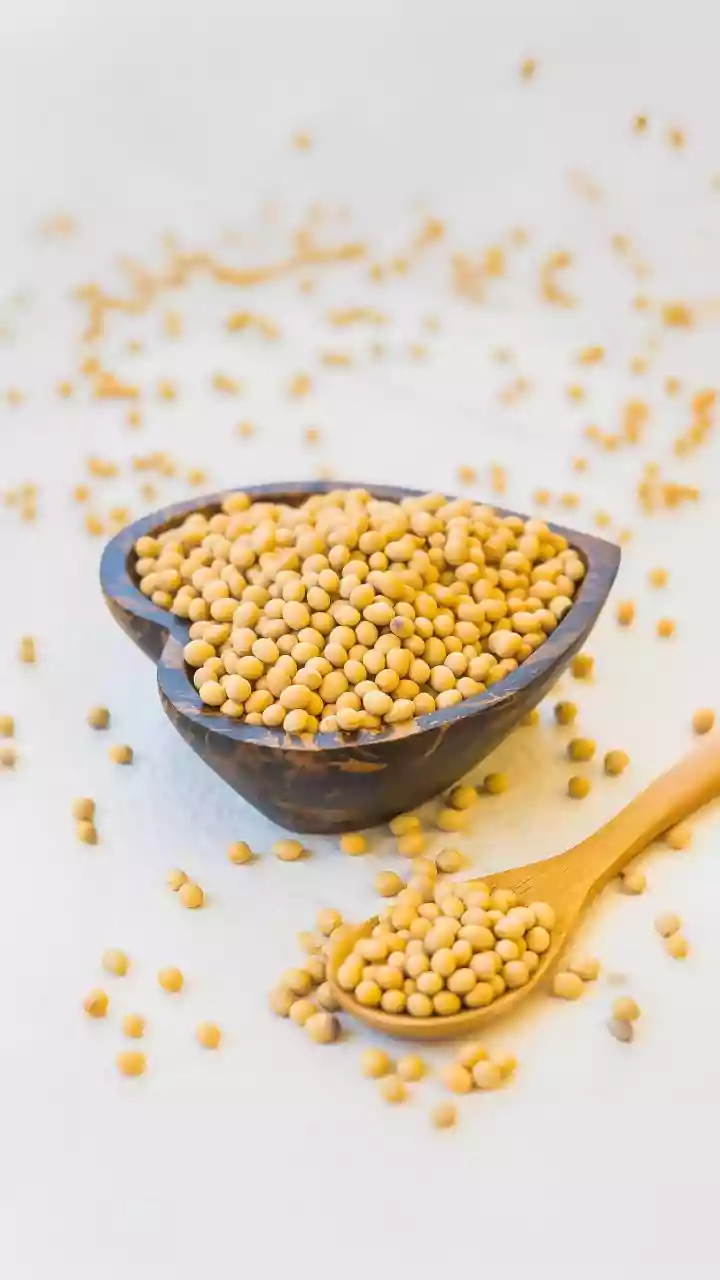
While laboratory testing is the only definitive way to confirm purity, some simple home tests can help you spot common adulterants. For water, place a drop of milk on a polished, slanting surface. Pure milk will flow slowly, leaving a white trail, while diluted milk will run down quickly without a mark. To check for detergent, shake a small amount of milk and water in a bottle. A thick, persistent foam suggests the presence of detergent. For starch, boil a small sample of milk, let it cool, and add a few drops of iodine solution. A blue colour indicates adulteration with starch. A test for urea involves mixing a little milk with soybean or arhar powder and dipping a red litmus paper in it after five minutes; if it turns blue, urea is present. However, these tests are preliminary and should not be considered foolproof.
Beyond Adulteration: The Storage Factor
Milk safety isn't just about what's added; it's also about how it's handled and stored. Improper storage can lead to bacterial growth, even in pure milk. According to FSSAI guidelines, raw milk should be boiled before consumption to kill harmful microbes. Once boiled or if it's a pasteurised packet, milk must be refrigerated promptly, ideally below 4°C, to inhibit bacterial growth. It's also crucial to keep milk in clean, covered containers to prevent cross-contamination from other foods in the refrigerator. Following these practices is a critical line of defence for ensuring the milk you consume is as safe as possible.
The Bigger Picture: Regulation and the Current Debate
The "current debate" revolves around enforcement, transparency, and shared responsibility. While the FSSAI sets standards, their implementation across a vast and complex supply chain remains a challenge. Recent years have seen intensified enforcement, with thousands of cases filed against those involved in adulteration. Authorities are pushing for stricter compliance and surveillance measures, including better tracking of the milk supply chain from farm to consumer. The conversation also increasingly includes the role of the consumer. Food safety wings regularly issue warnings and appeal to citizens to be vigilant and report suspicious activities. This reflects a growing consensus that ensuring a safe milk supply is a shared responsibility, requiring action from regulators, industry, and informed consumers alike.