



Right Plant, Right Place
Before you fall in love with a plant at the nursery, you need to fall in love with the light in your bedroom. It’s a common mistake to buy a plant for a specific, empty corner only to watch it struggle. Plants are living things with non-negotiable needs,
and light is at the top of that list. They use sunlight for photosynthesis, the process of creating their own food. Without the right amount of light, a plant simply cannot sustain itself, no matter how diligently you water it. The best approach is to reverse your thinking: instead of finding a plant for your space, find the right space for your plant. Understanding the light you have is the first and most critical step to creating a thriving indoor jungle.
How to Read Your Bedroom's Light
Figuring out your light situation is easier than it sounds. The direction your windows face is the most important clue. In the Northern Hemisphere, south-facing windows get the most intense, direct light. North-facing windows get the least. East-facing windows receive gentle morning sun, while west-facing windows get strong, hot afternoon sun. You can use a compass app on your phone to determine your window’s orientation. For a more practical test, use your hand. On a bright day, hold your hand a foot or so above a piece of white paper where you plan to place a plant. A sharp, well-defined shadow indicates bright, direct light. A softer, fuzzier shadow means medium or bright indirect light. A very faint shadow, or no shadow at all, signals low light. Remember to check at different times of the day to understand the full picture.
Low-Light Legends for Shady Corners
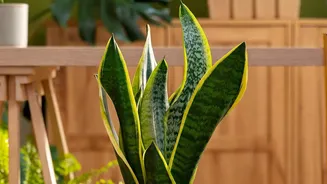
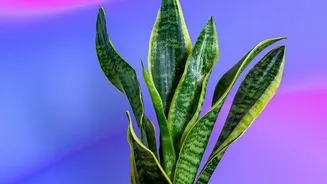
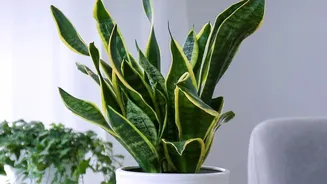
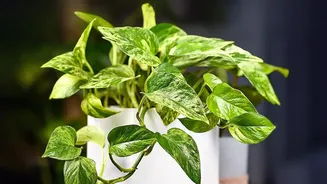
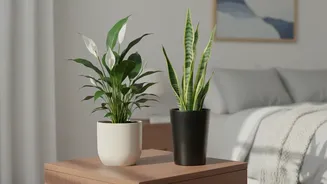
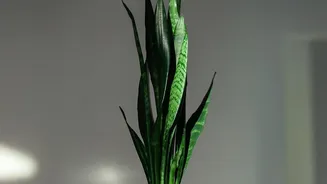
Many bedrooms don't have large, sun-drenched windows. Thankfully, several popular plants have adapted to lower light conditions, making them perfect for spots further away from a window or in rooms with north-facing light. The Snake Plant (Sansevieria) and the ZZ Plant (Zamioculcas zamiifolia) are two of the most resilient choices. They are famously tolerant of neglect and can survive in surprisingly dim conditions. Another excellent option is the Pothos (Epipremnum aureum), a trailing vine that comes in various colours and is incredibly forgiving. While these plants are 'low-light tolerant,' it doesn't mean 'no-light.' They still need some ambient light to survive and will always do better with a little more brightness.
Medium-Light Champions for Gentle Brightness
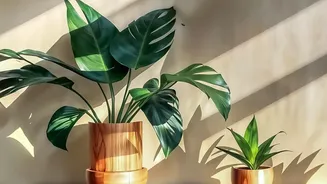
Most houseplants fall into the medium-light category, thriving in bright, indirect sun. This is the kind of light found near an east-facing window or a few feet back from a west or south-facing window. Plants like the iconic Monstera Deliciosa, with its stunning split leaves, and many types of ferns, such as the Boston Fern, flourish in these conditions. Prayer Plants (Calathea and Maranta) are also excellent choices, known for the fascinating way their leaves fold up at night. These plants appreciate consistent brightness without the harsh, direct rays of the sun, which can scorch their leaves. This light level offers the widest variety of choices for most bedrooms.
Bright-Light Beauties for Sunnier Spots
If you have a spot near a south or west-facing window, you can host plants that love a good dose of sun. However, be mindful that even sun-loving plants can get sunburned if the afternoon light is too intense, so a sheer curtain can be a helpful filter. Succulents and Cacti are classic choices for these bright spots, as they are adapted to arid, sunny environments. For a more tropical feel, a Bird of Paradise or an Autograph Tree (Clusia rosea) can make a dramatic statement, though they prefer their bright light to be indirect. If you place these plants in a less-than-bright location, they may survive but will likely grow slowly and fail to thrive.