





A Traffic Jam in Low Earth Orbit
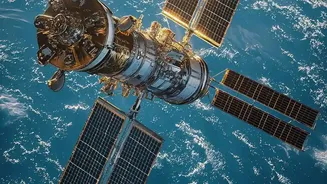
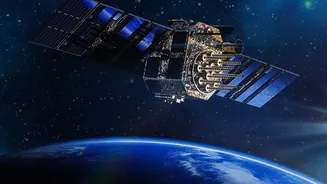
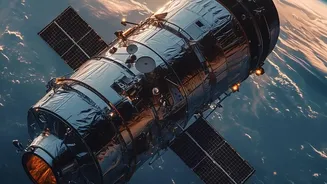
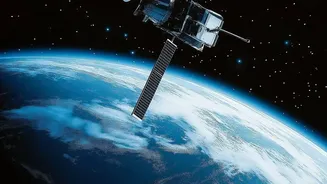
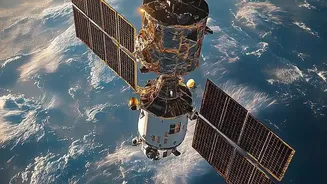
Not long ago, the idea of a traffic jam in space belonged to science fiction. Today, it's a pressing reality. Low Earth Orbit (LEO), the crucial orbital band used for everything from weather forecasting to internet services, is more congested than ever.
The European Space Agency's (ESA) 2026 Space Environment Report highlights a worrying trend: the orbital environment is becoming increasingly crowded as commercial satellite constellations expand at an unprecedented rate. This rapid influx is transforming LEO from a final frontier into a finite resource under severe strain. The sheer number of active satellites, defunct hardware, and fragmentation debris means the probability of collisions is constantly rising, threatening the very infrastructure we are building in the sky.
The Rise of the Mega-Constellations
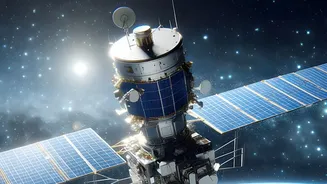
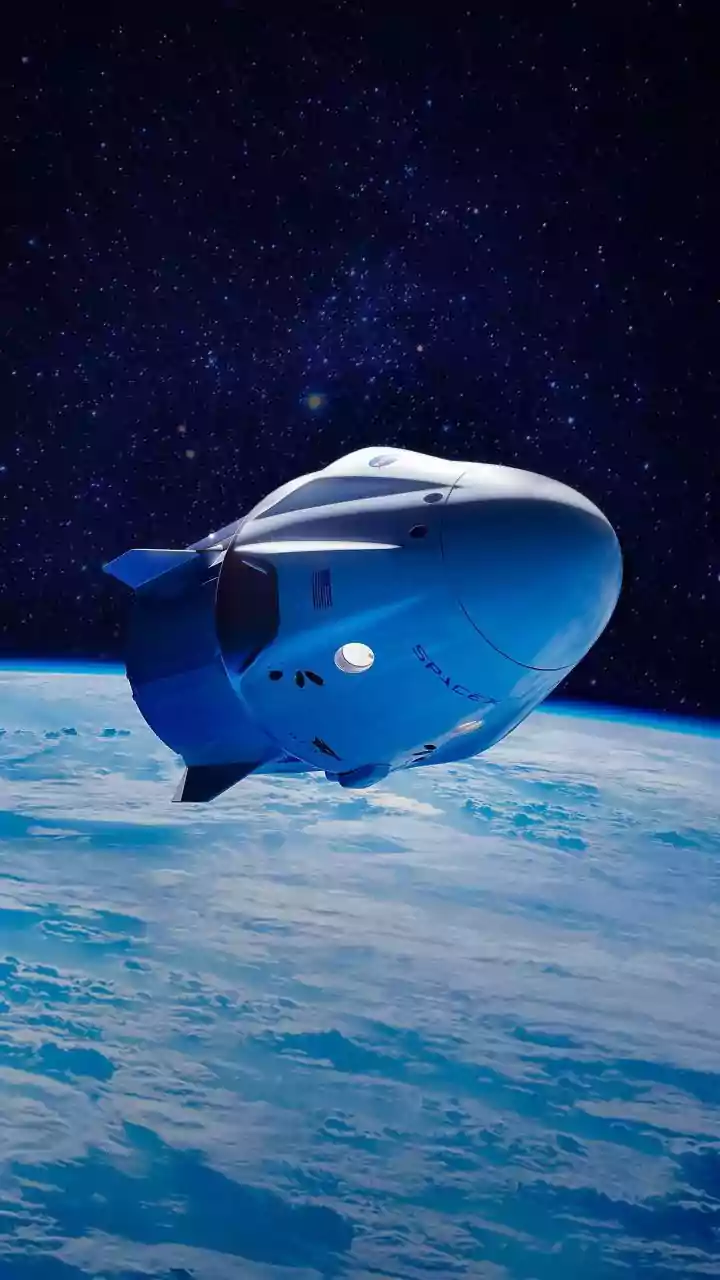
The primary driver of this new orbital rush hour is the mega-constellation—vast networks of thousands of small, interconnected satellites designed to provide global broadband internet. Companies like SpaceX with its Starlink network, Amazon with its nascent Amazon Leo (formerly Project Kuiper), and Eutelsat OneWeb are leading this charge. As of early 2026, Starlink alone operates over 10,000 active satellites, with plans for tens of thousands more. Other players, including state-backed Chinese ventures, are also planning constellations numbering in the thousands. While these networks promise to connect the unconnected and create a new digital economy in the sky, their sheer scale presents an enormous challenge to orbital sustainability.
Playing Dodgeball at 28,000 KPH
With more objects comes more risk. To avoid disaster, satellite operators are now performing collision-avoidance maneuvers at a frequency that would have been unthinkable a decade ago. According to a recent filing with the US Federal Communications Commission (FCC), SpaceX's Starlink constellation performed over 355,000 avoidance maneuvers in a single year. In the six months leading up to May 2026, the company logged over 207,000 such moves. For some satellite systems, these maneuvers are now a near-constant activity, with an avoidance action taking place every few minutes. These aren't just minor nudges; each maneuver consumes precious fuel, can interrupt service, and must be carefully coordinated to avoid causing another potential collision down the line. This exponential increase in required evasive action is a direct symptom of orbital crowding.
Old Rules for a New Space Age
The international guidelines for managing space were created for a different era. The primary framework, the UN COPUOS Space Debris Mitigation Guidelines of 2007, are voluntary and were developed when space was the domain of a few dozen state actors, not a competitive commercial market. These guidelines suggest, for instance, that satellites in LEO should be deorbited within 25 years of their mission's end. This was a reasonable timeframe when only a handful of satellites were launched each year. Today, with operators launching dozens of satellites at a time, a 25-year lifespan in a crowded orbit is seen as an unacceptable risk. While some regulators like the US FCC have moved to a much stricter 5-year deorbit rule for new satellites, the international framework remains largely voluntary and slow to adapt.
The Mega-Constellation Challenge
Mega-constellations challenge these old rules in several fundamental ways. Firstly, the cumulative risk is immense. While the failure or collision of a single satellite was once a major event, the danger now comes from the statistical probability of failures across a network of thousands. A single collision could generate a cloud of thousands of new debris fragments, each capable of causing further catastrophic impacts—a chain reaction known as the Kessler Syndrome. Secondly, the reliance on automated collision avoidance systems, while necessary, introduces new risks. A software glitch or a loss of communication could be disastrous. One study suggests that if operators lost control of their networks, a catastrophic collision could occur in a matter of days. The existing voluntary guidelines were simply not designed to manage the systemic risk posed by thousands of satellites operating in close proximity.