






The Limits of Traditional Searches
Traditionally, finding a missing person involved a time-consuming process: filing reports, plastering posters, and extensive ground searches by police and volunteers. Investigators would manually sift through witness statements and whatever evidence they
could find. In a country as vast and populous as India, these methods face immense challenges. Manpower is often stretched thin, making it nearly impossible to review thousands of hours of CCTV footage or connect disparate pieces of information from different jurisdictions. The first 48 hours are the most critical in any missing person case, and delays caused by these manual processes can dramatically reduce the chances of a safe recovery.
The New Toolkit: AI and Facial Recognition
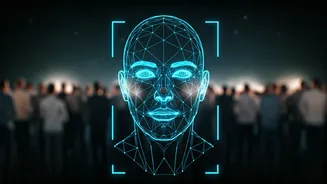
Artificial Intelligence (AI) is emerging as a powerful ally for law enforcement. One of its most significant applications is facial recognition technology (FRT). AI-powered systems can scan massive databases of images, including CCTV footage and social media, in minutes—a task that would take a human investigator months. In a landmark trial in New Delhi, police used FRT to scan photos of 45,000 children in institutional homes, successfully identifying nearly 3,000 missing children in just four days. This technology has also been used in Telangana as part of 'Operation Smile' to reunite thousands of lost and trafficked children with their families. These systems can even predict what a person might look like after a long time by estimating age and other facial attributes.
Eyes in the Sky: The Role of Drones
When a person goes missing in difficult-to-access areas like forests, mountains, or disaster zones, drones are proving to be invaluable. Unmanned aerial vehicles (UAVs) can cover vast, treacherous terrain quickly and safely, providing a crucial aerial view to search and rescue teams on the ground. Equipped with high-resolution and thermal imaging cameras, drones can detect heat signatures, helping to locate individuals who might be hidden from view or searching at night. In disaster scenarios like floods or landslides, which are common in parts of India, drones can assess damage, locate survivors, and even deliver essential supplies like medical kits and communication devices.
Connecting the Dots with Data Analytics
Beyond visual searches, big data analytics offers another layer of intelligence. By processing huge volumes of information, AI can identify patterns that are invisible to the human eye. This includes analysing a person's digital footprint from social media activity and location tags, or cross-referencing information from various sources like hospital admissions and police databases across different districts or states. Predictive analytics can even forecast where a person might go by analysing their last known location, behavioural patterns, and historical data from similar cases, allowing police to prioritise search areas more effectively.
Challenges and the Road Ahead
While these technologies offer immense promise, they are not without challenges. The widespread use of facial recognition and data monitoring raises significant concerns about privacy and the potential for misuse. Biases in AI algorithms could lead to misidentification, disproportionately affecting marginalised communities. Furthermore, the effective implementation of this technology across India requires substantial financial investment, robust data protection laws, and extensive training for police personnel. Experts argue that for these tools to be successful, there must be a strong legal framework to govern their use, ensuring transparency and accountability to build public trust.