







The Green Revolution's Double-Edged Sword
The story begins in the 1960s with the Green Revolution. To ensure national food security, Punjab was transformed into the epicentre of wheat and rice production. High-yielding varieties, chemical fertilisers, and mechanisation led to unprecedented productivity.
Before this, Punjab had a diverse agricultural profile, growing pulses, maize, oilseeds, and cotton. The revolution, however, set the stage for a profitable but precarious wheat-paddy monoculture. This new system was highly successful, turning Punjab into a major contributor to India's central food pool. But this success came at a cost, establishing a cropping pattern that would later prove difficult to escape.
The Brief Affair with 'White Gold'
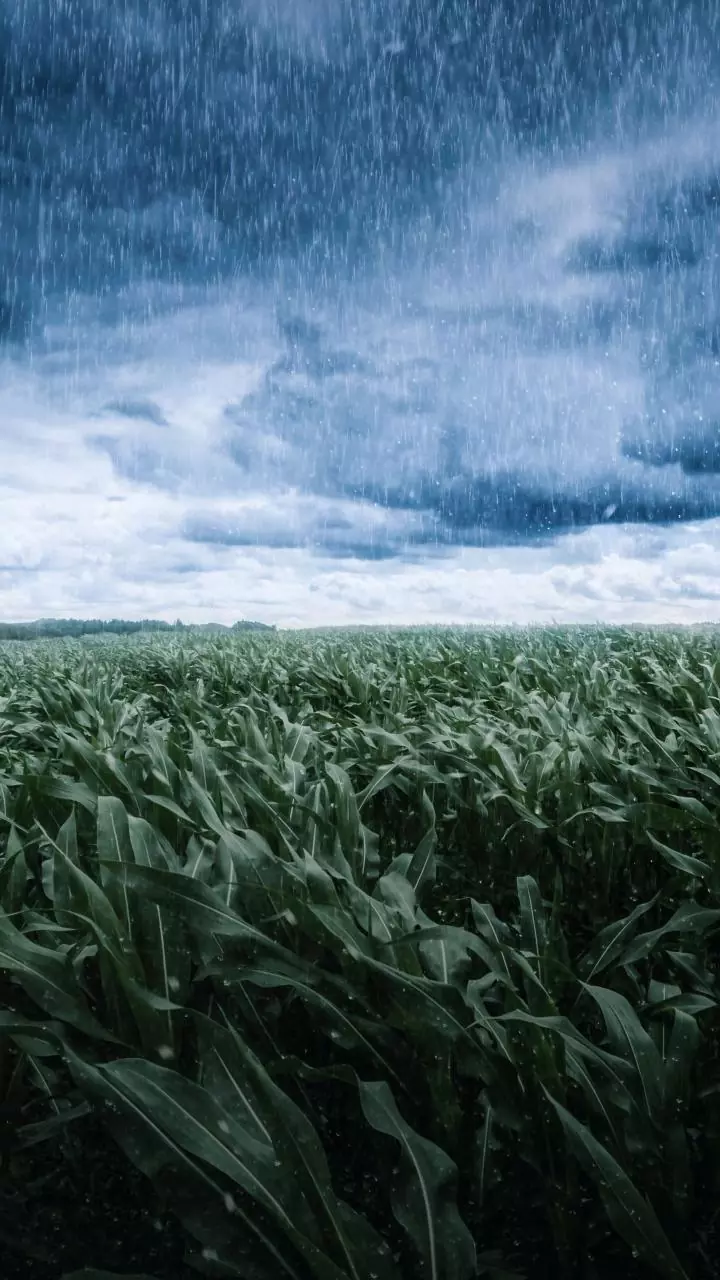
For a time, particularly in the southwestern Malwa region, cotton was a promising alternative. It was less water-intensive and suited the local climate. Efforts were made to encourage cotton as a key diversification crop. However, the experiment was short-lived. In the 1990s, persistent and severe pest attacks devastated cotton crops, and effective remedies were not readily available, leading to huge losses for farmers. This eroded confidence in cotton. Furthermore, extreme weather events, like the heavy rains and flooding in 2009 that wiped out cotton fields, pushed farmers to seek safer options. Paddy, with its ability to withstand water-logging, seemed like a resilient, if not ideal, choice. This marked a pivotal retreat from cotton and a deeper turn towards rice.
Why Paddy Remains King
The primary reason for paddy's unshakeable dominance is economics, secured by government policy. The Minimum Support Price (MSP) mechanism for paddy is incredibly effective in Punjab, guaranteeing that the government will purchase the produce at a fixed price. This creates a low-risk, assured income stream that other crops simply cannot match. For a farmer facing market volatility, pests, and unpredictable weather, paddy represents financial stability. Policies like free or heavily subsidised electricity for agricultural tube wells further incentivised the cultivation of water-guzzling paddy. The entire ecosystem—from market access to procurement infrastructure—is built around the wheat-paddy cycle, making it the rational choice for individual farmers despite the collective consequences.
The Staggering Environmental Cost
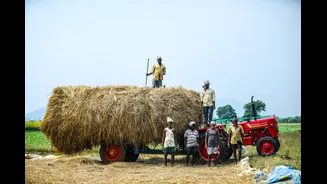
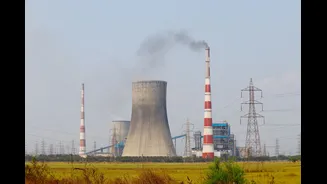
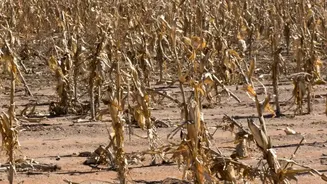
The long-term dependence on paddy has inflicted severe environmental damage. Punjab's groundwater is depleting at an alarming rate, with some estimates suggesting the water table is dropping by over a meter annually in many areas. Reports indicate that water tables have plunged from around 40 feet in 2000 to 400 feet in 2026 in some regions, with projections of complete aquifer exhaustion by 2039. Furthermore, the narrow window between harvesting paddy and sowing wheat leads many farmers to burn the leftover stubble, a practice that is quick and cheap but causes massive air pollution across North India every winter. This monoculture has also led to soil degradation and a loss of biodiversity.
Breaking the Cycle: The Modern Challenge
Today, the government is once again aggressively pushing for diversification, fully aware of the looming ecological crisis. There is a renewed focus on promoting less water-intensive crops like maize, pulses, and oilseeds. The Punjab government has introduced schemes offering financial incentives to farmers who switch from paddy to maize, recently expanding a pilot project from six to 16 districts for the 2026-27 season. Despite these efforts, the shift is slow. In 2025, cotton acreage hit a historic low, with much of that land shifting back to paddy. Experts argue that for diversification to succeed, it needs more than just subsidies. It requires building a robust market infrastructure, including procurement and processing facilities for alternative crops, to give farmers the same level of economic confidence that paddy currently provides.