




A Cosmic Match Confirmed
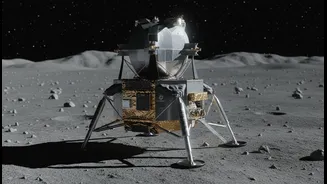
Scientists at Ahmedabad's prestigious Physical Research Laboratory (PRL) have made a groundbreaking discovery. By analysing data from the Pragyan rover of the Chandrayaan-3 mission, they found that the soil at the lunar south pole landing site, named
Shiv Shakti Statio, has a chemical composition strikingly similar to a specific meteorite found on Earth. The study, published in the journal npj Space Exploration, draws a direct line from measurements made on the Moon to a physical sample in our hands.
The Rover's Decisive Role
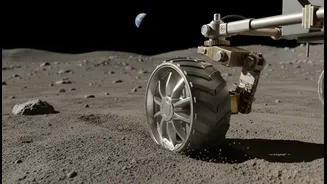
The key to this discovery was the Alpha Particle X-ray Spectrometer (APXS) instrument aboard the Pragyan rover. After Chandrayaan-3's historic landing in August 2023, the APXS meticulously analysed the elemental makeup of the lunar soil. It found that the soil at Shiv Shakti Statio had lower levels of aluminium and higher amounts of iron and magnesium than typical lunar highlands. This unique chemical fingerprint was the crucial piece of the puzzle that PRL scientists used for their comparison.
A Messenger from the Moon
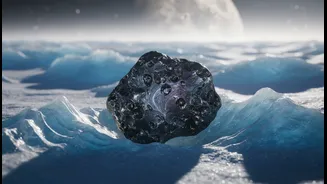
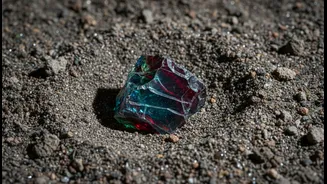
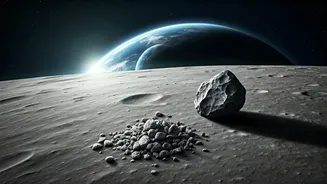
The meteorite in question is known as ALHA 81005. It was discovered in the Allan Hills region of Antarctica during an expedition in 1981-82 and holds a special distinction: it was the very first rock found on Earth to be officially confirmed as originating from the Moon. When giant asteroids impact the Moon, they can blast chunks of the lunar surface into space with such force that some eventually fall to Earth. PRL scientists compared the Pragyan rover's data against 66 known lunar meteorites, and ALHA 81005 was the closest match.
What the Connection Means
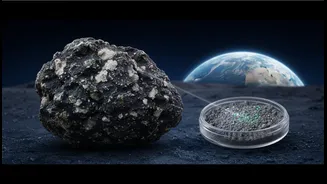
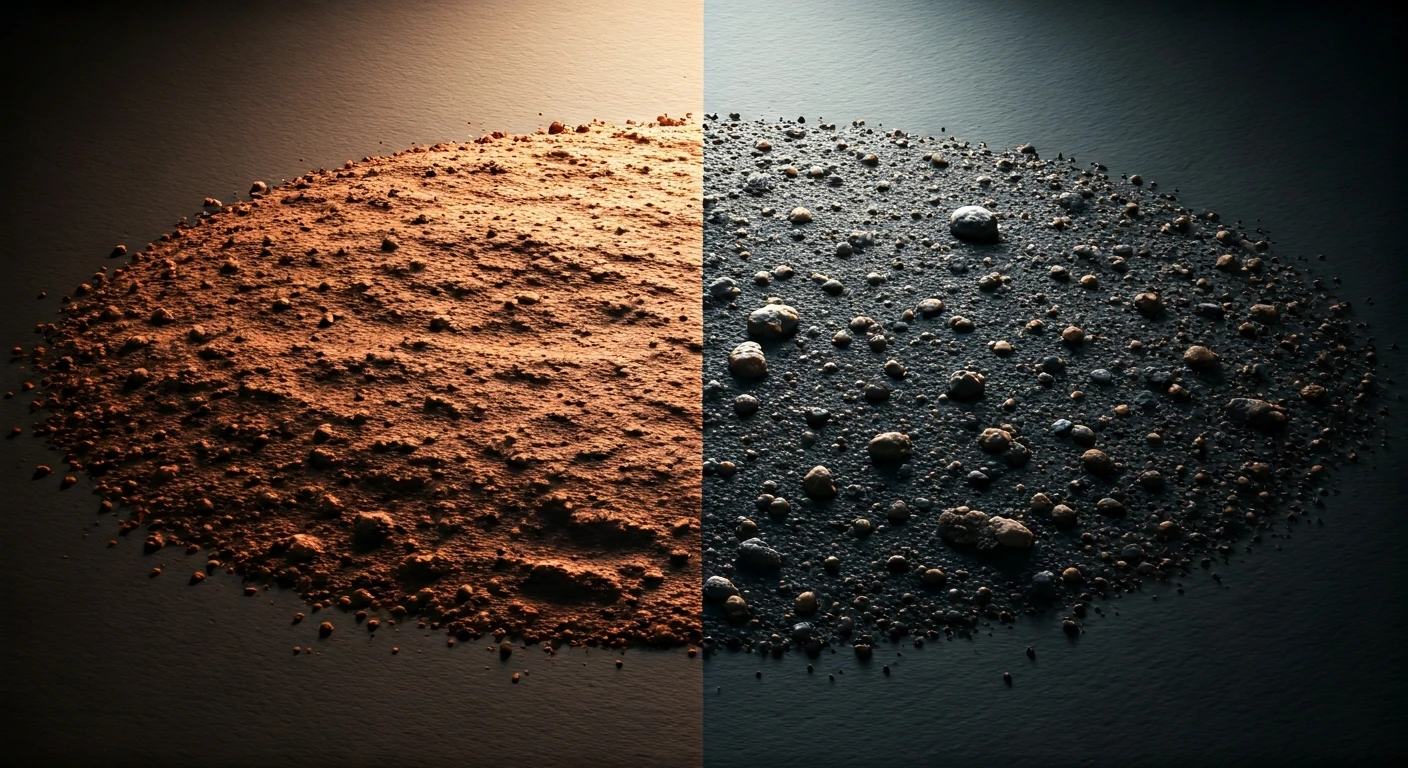
ISRO and PRL scientists are careful to clarify that this doesn't mean the meteorite came from the exact spot where Chandrayaan-3 landed. Instead, it shows that both the landing site and the meteorite represent the same rare type of magnesium-rich crustal material. Both samples sit in an unusual compositional zone between two major lunar rock types, known as ferroan anorthosites and the denser Mg-suite rocks. This suggests the soil at Shiv Shakti Statio is a mixture, likely containing material from the Moon's deeper layers that was excavated by ancient impacts.
Unlocking the Moon's Ancient Past
This discovery provides powerful support for the 'Lunar Magma Ocean' hypothesis—the theory that the Moon was once covered in a vast sea of molten rock. As this ocean cooled, different minerals formed the layers we see today. The presence of this specific soil composition helps validate this theory. More importantly, it provides a vital 'ground truth', connecting a specific location on the Moon to a family of meteorites. This allows scientists to better understand the origin of other lunar samples and aids in planning future missions to explore the Moon's complex geology. This study, driven by an Indian mission and Indian scientists, has opened a new window into the formation of the ancient lunar crust.