






The Rise of Synthetic Paneer
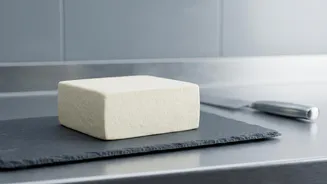
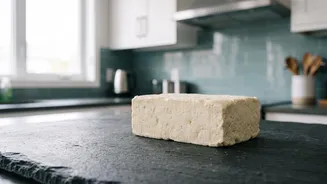
Recent food safety raids across states like Haryana and Uttar Pradesh have exposed a shocking practice: the large-scale manufacture of synthetic paneer. Unlike real paneer made by curdling fresh milk, this counterfeit version is a concoction of palm oil,
skim milk powder, starch, soy pulp, and sometimes even detergents. This mixture often has a dull, yellowish hue. To make it look like fresh, white dairy paneer, some producers add 'chuna' (calcium hydroxide or slaked lime) as a bleaching agent to fool customers. This adulteration is a lucrative business, with officials estimating thousands of kilograms are produced daily and supplied to markets, especially in the Delhi-NCR region.
Why 'Chemical Chuna' Is a Health Hazard
While food-grade chuna is used in tiny amounts in some traditional foods like paan, the substance found in these raids is often industrial-grade and not meant for human consumption. Consuming paneer laced with these chemicals can lead to serious health issues. Short-term effects include severe gastrointestinal problems like abdominal pain, vomiting, and diarrhoea. Long-term, regular consumption of such adulterated foods can put a significant strain on the body. Chemicals like urea, detergents, and industrial oils can cause liver and kidney damage, disrupt hormonal functions, and even carry cancer risks. Children and the elderly are particularly vulnerable to these toxic effects.
How to Spot Fake Paneer: Simple Home Tests
You don't need a lab to check the paneer in your kitchen. These simple tests can help you identify adulterated products. 1. The Texture and Smell Test: Real paneer is soft and crumbly, with a fresh, milky aroma. Fake paneer often feels rubbery, dense, or unnaturally smooth. If you press it, it might bounce back instead of crumbling. A chemical or soapy smell is a major red flag. 2. The Boiling Test: Drop a cube of paneer into boiling water for a few minutes. Real paneer will soften but largely hold its shape. Fake paneer might become tough and rubbery, or it could start to disintegrate and leave a greasy film on the water. 3. The Iodine Test for Starch: This is a reliable method to check for added starch. Boil a small piece of paneer in water and let it cool. Add a few drops of iodine tincture. If the water turns blue or black, it confirms the presence of starch.
Another Check: The Turmeric Test for Detergents
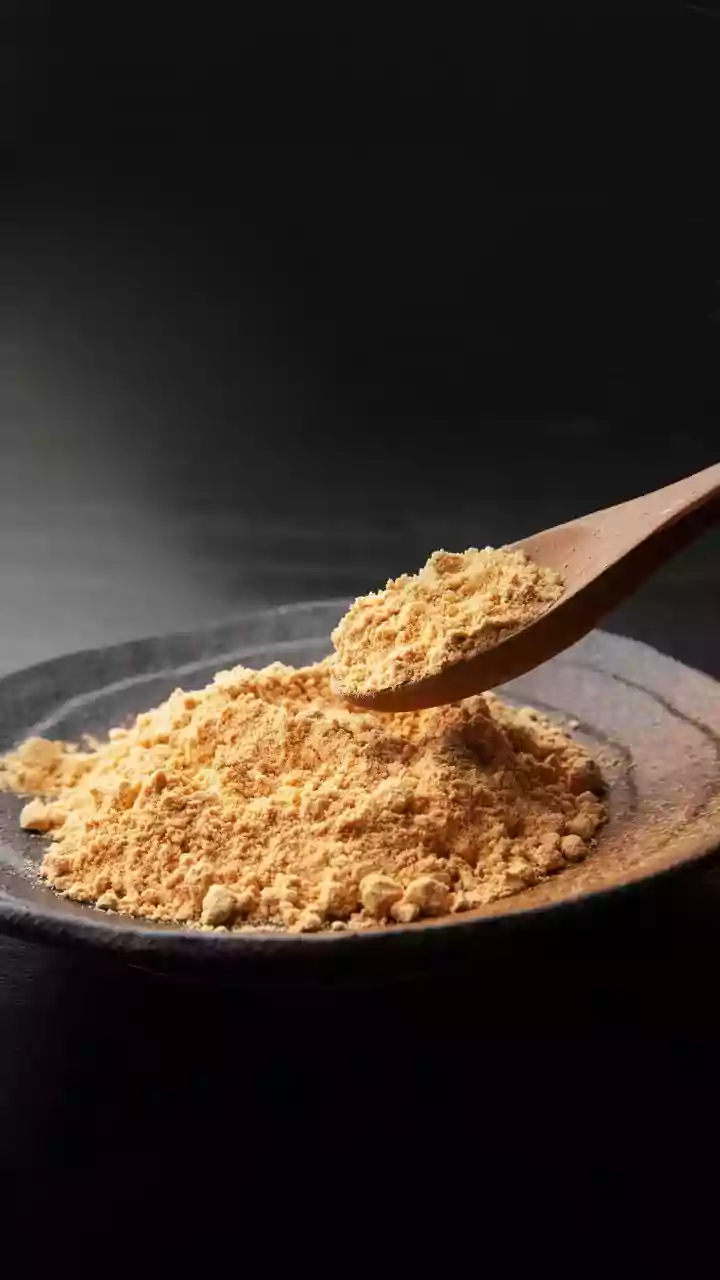
Another simple method can help detect the presence of alkaline chemicals like detergents or excess chuna. Make a paste with a small piece of paneer and some water. Add a pinch of turmeric (haldi) powder and mix it well. If the mixture turns red, it indicates the presence of detergents or other caustic substances. Pure paneer will not cause a significant colour change in the turmeric.
Protecting Your Family: Smart Buying Habits
Being a vigilant consumer is the first line of defence. Whenever possible, buy paneer from trusted, reputable dairies or vendors. If you are buying packaged paneer, always check for the FSSAI logo and license number on the packaging. Be cautious of paneer that is sold at an unusually low price, as this is often a sign of compromised quality. Paneer that looks excessively white or unnaturally shiny should also be avoided. When in doubt, making paneer at home is the safest way to ensure you are getting a pure, unadulterated product.