






1. Witness the Palki Sahib Ceremony
While the Golden Temple is a must-see at any hour, the Palki Sahib (palanquin) ceremony is a profoundly moving ritual. Twice daily, devotees carry the Guru Granth Sahib, the holy scripture, between the main sanctum and the Akal Takht. The evening ceremony,
held around 9:30 PM, sees the book put to rest amidst a sea of chanting worshippers, while the morning ceremony before dawn brings it back. This is a powerful display of living faith, offering a deeper connection than a daytime visit alone.
2. Participate in Langar Seva
The Golden Temple is home to one of the world's largest community kitchens, serving a free meal (langar) to an estimated 100,000 people daily, regardless of faith or background. The true cultural experience lies not just in eating, but in participating. Spend an hour volunteering — whether it's chopping vegetables, washing dishes, or serving food. This act of 'seva' (selfless service) is a cornerstone of Sikhism and offers a humbling perspective on equality and community.
3. Confront History at the Partition Museum
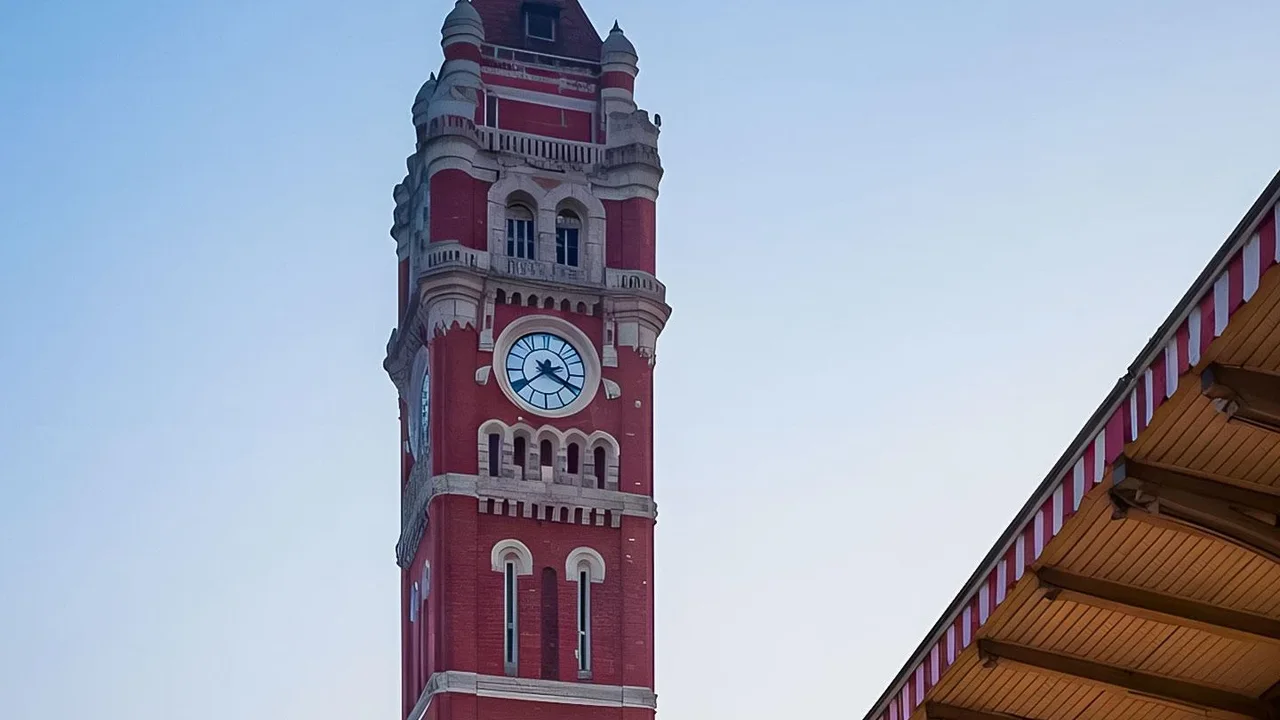
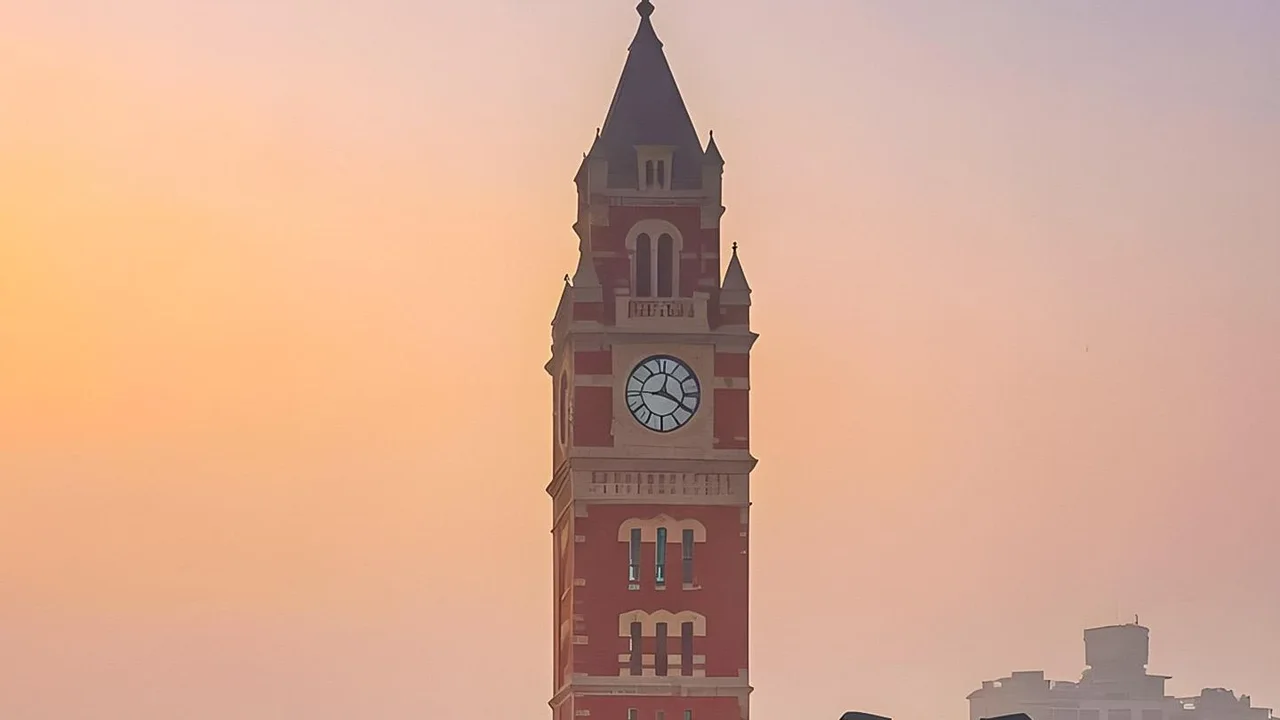
Located in the historic Town Hall, the Partition Museum is the world's first museum dedicated to the 1947 Partition of India. It tells the story of one of the largest mass migrations in human history through oral histories, personal artifacts, letters, and photographs. It is an emotionally resonant and essential experience for understanding the pain, resilience, and complex history that shaped not only Amritsar but the entire subcontinent.
4. Feel the Energy at the Wagah Border
Just a short drive from the city, the daily Beating Retreat ceremony at the Attari-Wagah border is a spectacle of organised patriotic fervour. Every evening before sunset, Indian and Pakistani soldiers engage in a highly choreographed display of rapid-fire marching and a ceremonial closing of the gates. The electric atmosphere, fueled by cheering crowds on both sides, is a unique cultural phenomenon that showcases national pride in a theatrical and unforgettable way.
5. Take a Sombre Walk Through Jallianwala Bagh
Adjacent to the Golden Temple lies Jallianwala Bagh, a public garden that holds a tragic place in India's struggle for independence. It is the site of the 1919 massacre where British troops fired on a large, peaceful crowd of unarmed Indians. Today, the memorial preserves the bullet-marked walls and the well into which many jumped to escape the firing. A walk through this serene yet somber space is a powerful history lesson and a moment for quiet reflection.
6. Embark on a Culinary Food Walk
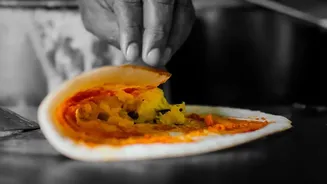
Amritsar's culture is inseparable from its food. The best way to experience it is on a guided food tour through its bustling streets and dhabas. Go beyond the famous Amritsari Kulcha and sample generations-old recipes, from savoury chaats and rich lassi to delectable jalebis. These tours offer a taste of authentic Punjabi cuisine while sharing the stories behind the city's most iconic eateries.
7. Wander the Lanes of the Old City
Step back in time with a heritage walk through the narrow lanes ('katras') of the 400-year-old walled city. These guided tours reveal a hidden Amritsar of ancient havelis, traditional bazaars, community wrestling grounds known as 'akharas', and intricately carved facades. It’s an immersive journey into the city's historical layout, traditional trades, and the architectural fabric that predates its modern development.
8. Discover the Art of Phulkari
Phulkari, meaning 'flower work,' is the traditional embroidery of Punjab. The vibrant, intricate designs are a significant part of the region's craft heritage. Explore markets like Hall Bazaar or Katra Jaimal Singh to see artisans at work and purchase authentic Phulkari dupattas, suits, or jackets. It’s a chance to support local craftswomen and take home a beautiful piece of Punjabi culture.
9. Experience a Slice of Rural Punjab at Sadda Pind
Sadda Pind is a living museum that recreates a traditional Punjabi village. It offers an interactive cultural experience where you can see folk dances like Bhangra and Giddha, watch artisans create handicrafts, and learn customs like turban tying. You can also witness traditional martial arts like Gatka and taste authentic village cuisine. It's a vibrant, family-friendly way to engage with rural Punjabi life in one place.
10. Witness the Sikh Martial Art of Gatka
Gatka is the traditional martial art of the Sikhs, a dynamic and spiritual practice that combines self-control with swordsmanship. While you can sometimes see performances at Sadda Pind, you might also find a local 'akhara' (training school) where the art is taught and practiced. Watching the rhythmic, flowing movements and the clash of steel is a captivating experience that connects you to the warrior ethos embedded in Sikh history.