



Why More Protein Matters
Before diving into the dough, it's worth understanding why adding protein is such a popular nutritional upgrade. Protein is essential for muscle repair and maintenance, making it a key focus for anyone with an active lifestyle. Beyond that, it's known
for promoting satiety—the feeling of being full and satisfied after a meal. A high-protein pizza can help prevent the blood sugar spikes and subsequent crashes associated with carb-heavy dishes, keeping you fuller for longer and reducing the urge to overeat. By transforming pizza from a simple carb-fest into a more balanced meal, you get to enjoy a favorite food that works with, not against, your wellness goals.
The Foundation: Reinventing the Crust
The single biggest change you can make is with the pizza base. Traditional flour-and-water crusts are delicious but mostly provide carbohydrates. The modern high-protein crust relies on a few key ingredients. One of the most popular methods involves a simple, no-yeast dough made from self-rising flour and either Greek yogurt or cottage cheese. Both yogurt and cottage cheese add a significant amount of protein and moisture, creating a soft, slightly tangy crust that requires no rising time. For an even bigger boost, some recipes incorporate unflavored protein powder directly into the flour mixture. Whey, casein, or plant-based powders can be used, but it's crucial to use an unflavored variety to avoid a strange taste. When adding powder, you may need to increase the liquid in the recipe, as protein powders are very absorbent.
Building a Better Dough
Creating a high-protein dough is surprisingly straightforward. For a yogurt or cottage cheese crust, you simply mix the dairy product with self-rising flour until a shaggy dough forms. If using cottage cheese, blending it until smooth beforehand will give you a more uniform texture. After a brief knead on a floured surface, the dough is ready to be rolled out. Unlike traditional yeast doughs, these crusts benefit from being rolled thinly and often require a 'par-bake'—baking for a few minutes before adding toppings—to ensure they cook through and develop a firm base. This prevents the final pizza from becoming soggy once the sauce and cheese are added. Some recipes even use eggs along with cottage cheese to create a batter-like crust that you pour and spread on the baking sheet.
Power-Up Your Toppings
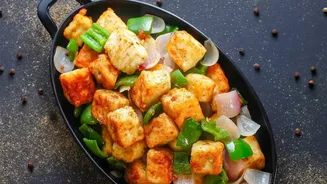
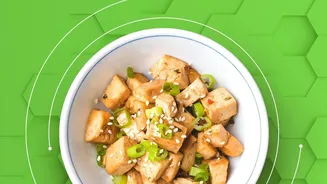
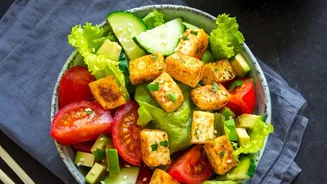
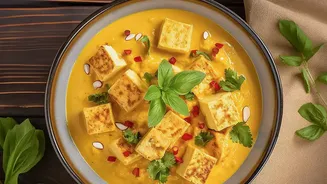
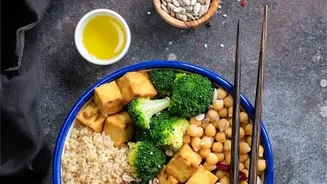
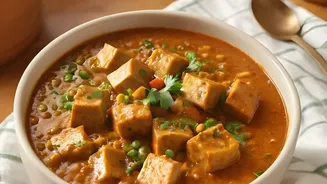
The crust isn't the only place to add protein. Your choice of toppings can make a massive difference. Move beyond standard pepperoni and consider lean, protein-rich options. Grilled chicken breast, turkey sausage, shrimp, and even a cracked egg are excellent choices. For plant-based power, toppings like chickpeas, paneer, or seasoned tofu can add both texture and a substantial protein hit. Even your cheese choice matters. While all cheese has protein, part-skim mozzarella is a great option. You can also dot the pizza with ricotta or even use a blend of cheeses to maximize the protein content while managing fat levels. Don't forget vegetables like spinach, bell peppers, and mushrooms, which add nutrients and fiber without weighing the pizza down.
Managing Expectations: Taste and Texture
It’s important to know that a high-protein pizza crust will not be a perfect replica of a classic, chewy, gluten-rich pizzeria crust. Doughs made with yogurt or cottage cheese are often softer, denser, and more biscuit-like in their final texture. Those that incorporate protein powder can sometimes be a bit drier or chewier. These aren't bad things—they're just different. The key is to embrace the unique character of your creation. Think of it less as a copy and more as its own delicious, satisfying dish. The flavour is generally savory and slightly tangy from the dairy, which pairs beautifully with classic pizza toppings. By rolling the dough thin and par-baking, you can achieve a delightfully crispy edge and a firm base that holds up to plenty of sauce and cheese.