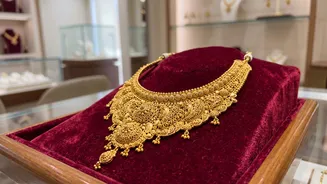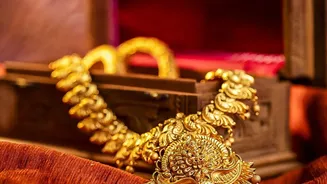









As India celebrates Dhanteras, the annual gold-buying rush is in full swing. But many shoppers face a familiar confusion: why is the final jewellery bill so much higher than the gold rate seen on the news? Let's break it down.
The Number You See: What Is a Spot Price?
The price you see flashing
on financial news channels or websites is the 'spot price'. This is the wholesale market rate for pure, 24-karat gold traded on international exchanges for immediate delivery. Think of it as the raw ingredient cost. In India, benchmark rates from bodies like the Indian Bullion and Jewellers Association (IBJA) are derived from these global prices, adjusted for the USD-INR exchange rate and import duties. This spot rate is the absolute baseline before your gold even begins its journey to becoming a piece of jewellery.
The First Markup: From Bullion to Showroom
Before a jeweller can even craft an earring, they must buy the gold from a bank or an authorised importer. This retail bullion rate is already a step above the spot price, as it includes the importer's margin and logistical costs. So, the rate your local jeweller uses as their starting point for 24K gold is already slightly higher than the pure spot price. Most jewellery in India is 22K (91.6% purity), so the jeweller will first adjust the 24K rate downwards to reflect the lower purity before any other charges are added.
The Biggest Variable: Making Charges Explained
This is the largest and most variable component of your bill. Making charges cover the labour and artistry required to transform raw gold into a finished design. These can range from 8% for simple, machine-made chains to over 25% for intricate, handcrafted pieces. Jewellers calculate this in two main ways: either as a fixed percentage of the gold's value or as a flat rate per gram of gold. This fee is where you'll find the biggest price difference between jewellers for similarly weighted items, and it is often the most negotiable part of your bill.
The Final Layers: GST and Hallmarking Fees
After the gold value and making charges are totalled, the government adds Goods and Services Tax (GST). In India, gold jewellery attracts a 3% GST on the total value of the gold plus the making charges. Some invoices might show a 5% GST on making charges as a separate line item, but the final tax calculation consolidates to reflect the overall rate structure. Finally, a small, fixed fee for BIS Hallmarking, which certifies the gold's purity, is added to the bill. This is a nominal charge but is a mandatory part of ensuring the quality of your purchase.
What Was the Dhanteras 2026 Price 'Correction'?
Leading up to Dhanteras 2026, gold prices saw a notable 'correction'. After hitting a peak of nearly ₹1,80,000 per 10 grams in January 2026, prices fell significantly, trading at around ₹1,42,000 per 10 grams in early November. In market terms, a correction is a temporary price dip within a longerer term uptrend. This prefestive price drop was linked to factors like changing expectations around global interest rates and profitbooking by investors after a strong rally. For Dhanteras buyers, this meant that while prices were still up yearon year, they were significantly lower than the record highs seen earlier in the year, providing a more attractive entry point for festive purchases.