




A Spectacle 12 Years in the Making
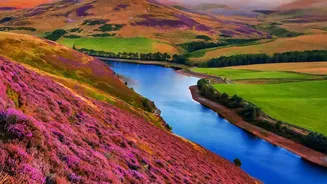
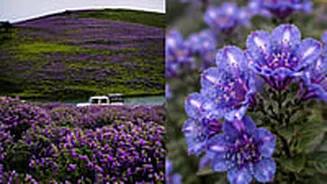
The hills of Munnar are currently witnessing a breathtaking natural event: the mass flowering of the Neelakurinji shrub, known scientifically as Strobilanthes kunthiana. This is not just any bloom. Neelakurinji is famous for its highly synchronized flowering cycle,
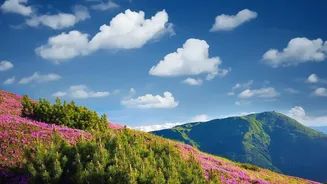
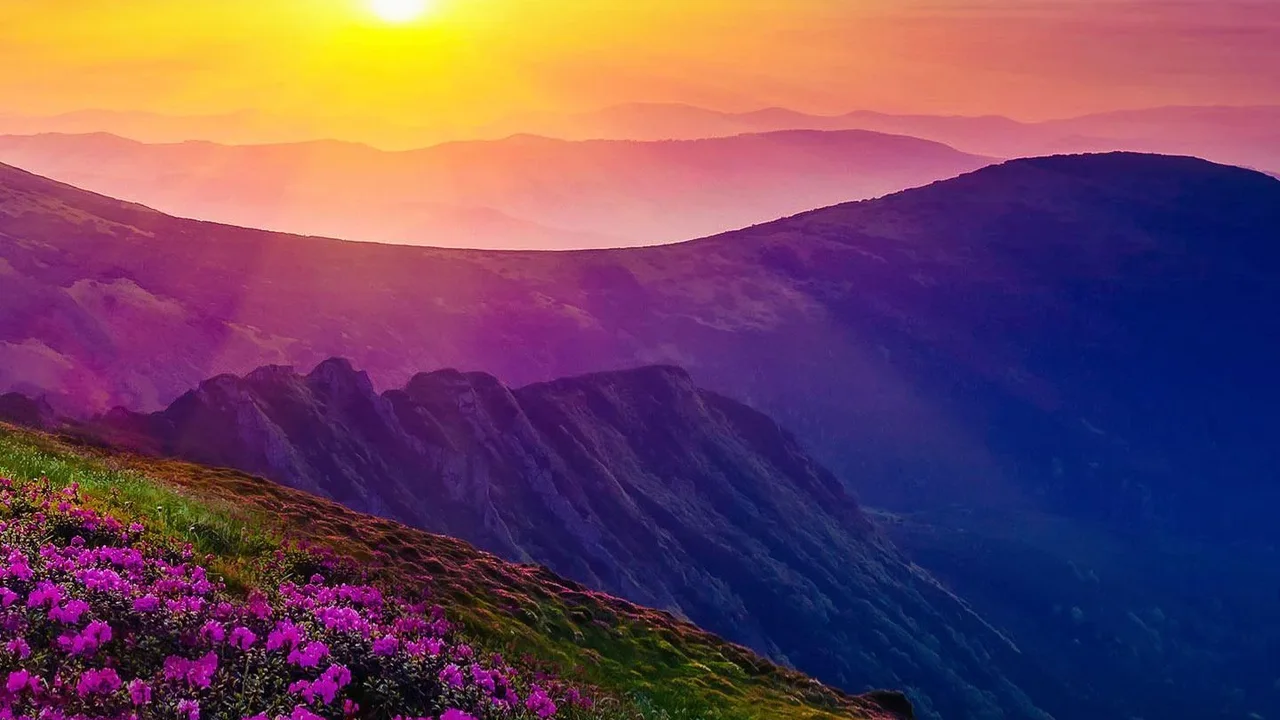
which occurs only once every 12 years for a particular plant population. When it happens, vast stretches of high-altitude grassland, normally green, transform into a surreal carpet of purplish-blue flowers. The 2026 bloom, which began appearing in July and is expected to peak through September and October, is concentrated in specific areas around Munnar, primarily the Chokramudi and Mattupetty-Korandakkad hills. This has led to some confusion, as the region’s most famous viewing spot, Eravikulam National Park, saw its last major bloom in 2018 and is not expected to flower again until 2030. The current event involves a different population of the same species, operating on its own 12-year clock, making 2026 a special opportunity for nature lovers.
The Science of a Synchronised Bloom
The 12-year cycle is a fascinating evolutionary strategy known as masting, or gregarious flowering. The plant is monocarpic, meaning it flowers only once in its lifetime, sets seed, and then dies. For over a decade, the shrub focuses all its energy on vegetative growth. By not producing seeds for such a long period, it effectively starves seed predators like rodents and insects, whose populations cannot be sustained. Then, prompted by a kind of internal biological clock, every plant in the population flowers simultaneously. This mass event produces an overwhelming number of seeds, satiating the few remaining predators and ensuring enough seeds survive to germinate and begin the next 12-year cycle. The parent plants wither away, their decay providing nutrients for the next generation.
Cultural and Ecological Significance
The Neelakurinji is deeply woven into the fabric of the region. The name of the Nilgiri Hills, which translates to 'Blue Mountains', is believed to have been inspired by the flower's purplish-blue hue carpeting the landscape. For the indigenous Paliyan tribal community of Tamil Nadu, the blooming cycle has traditionally been used as a natural calendar to calculate their age. The flower is also considered auspicious by other local communities like the Muthuvas and Todas. Ecologically, the bloom is a critical event. The nectar-rich flowers trigger a boom in the population of pollinators, especially honeybees. The honey collected during this period is said to be exceptionally delicious and nutritious, becoming a prized local product.
Balancing Tourism and Conservation
Such a rare and beautiful event inevitably draws huge crowds, presenting a significant challenge for conservation. With an influx of tourists expected for the 2026 bloom, authorities are working to manage the surge. The Idukki district administration, along with the forest department, is implementing measures like online booking slots and deploying additional buses to regulate access to sensitive areas. The Neelakurinji is a protected plant, and damaging or uprooting it is a punishable offence. Recently, authorities booked cases against a few individuals for plucking the flowers for social media posts, highlighting the strict vigilance in place. These measures are crucial for protecting the fragile shola-grassland ecosystem where the plant thrives, an ecosystem already under pressure from habitat loss and climate change.